English
- English
- Español
- Português
- русский
- Français
- 日本語
- Deutsch
- tiếng Việt
- Italiano
- Nederlands
- ภาษาไทย
- Polski
- 한국어
- Svenska
- magyar
- Malay
- বাংলা ভাষার
- Dansk
- Suomi
- हिन्दी
- Pilipino
- Türkçe
- Gaeilge
- العربية
- Indonesia
- Norsk
- تمل
- český
- ελληνικά
- український
- Javanese
- فارسی
- தமிழ்
- తెలుగు
- नेपाली
- Burmese
- български
- ລາວ
- Latine
- Қазақша
- Euskal
- Azərbaycan
- Slovenský jazyk
- Македонски
- Lietuvos
- Eesti Keel
- Română
- Slovenski
- मराठी
- Srpski језик
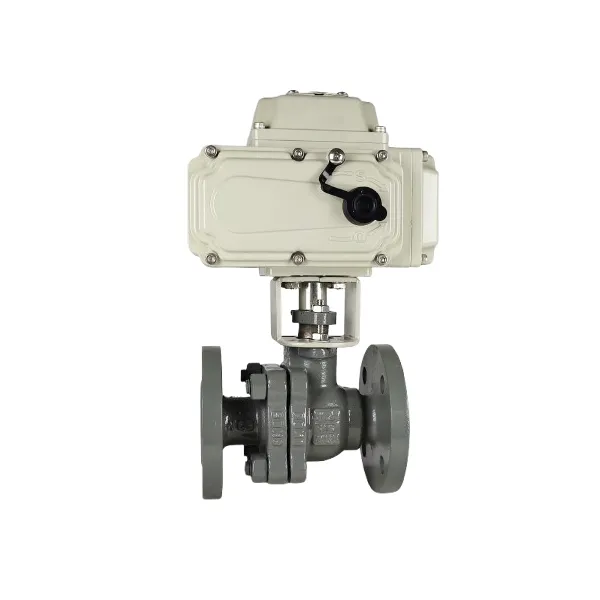
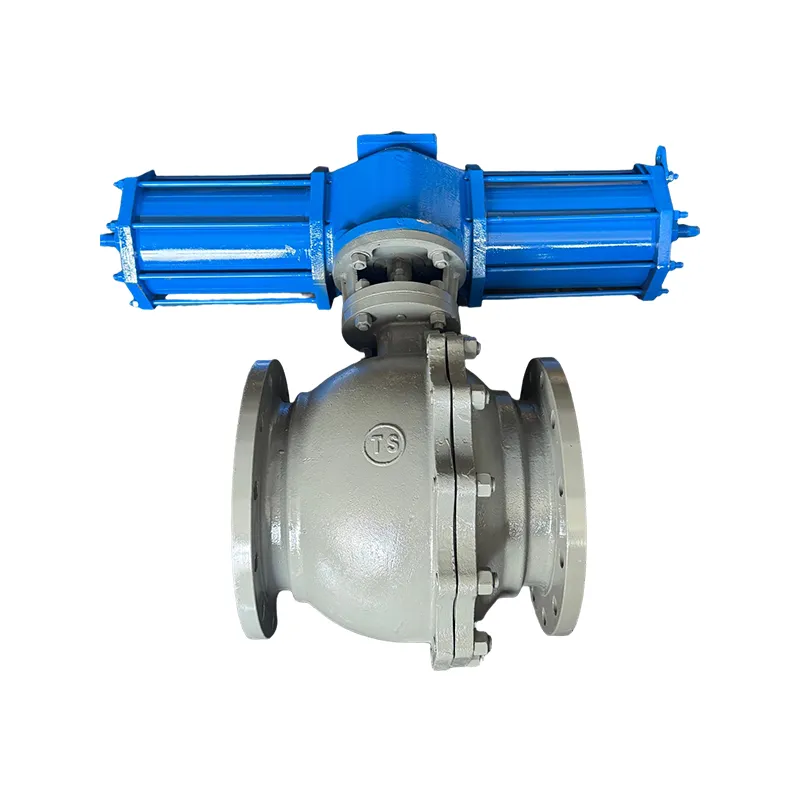
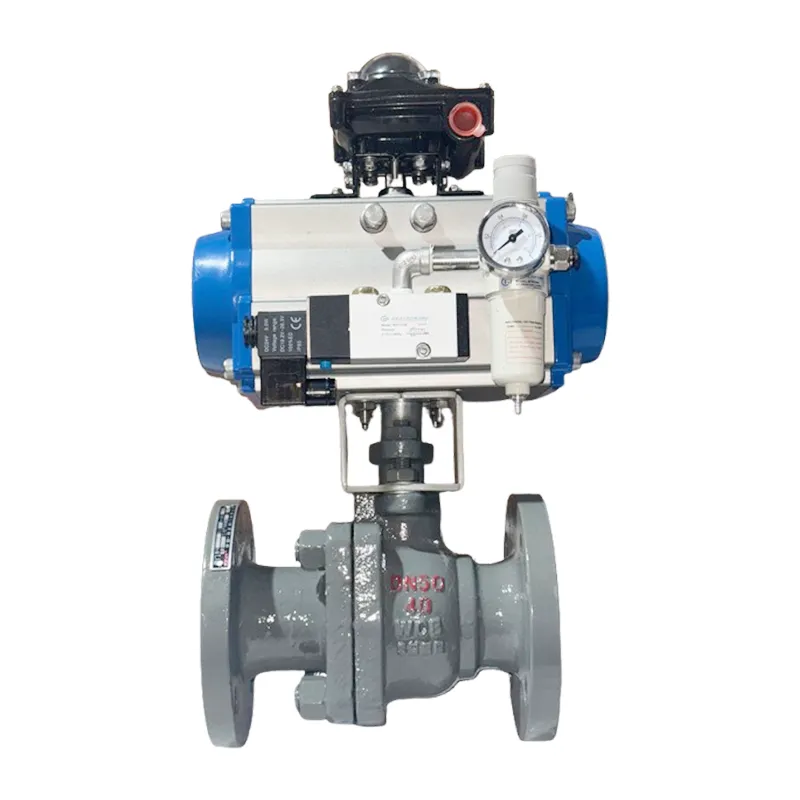
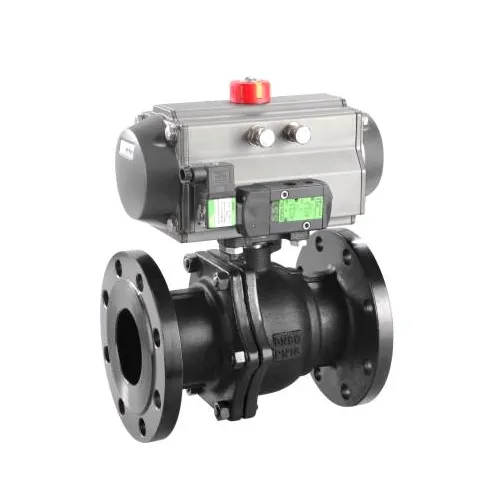
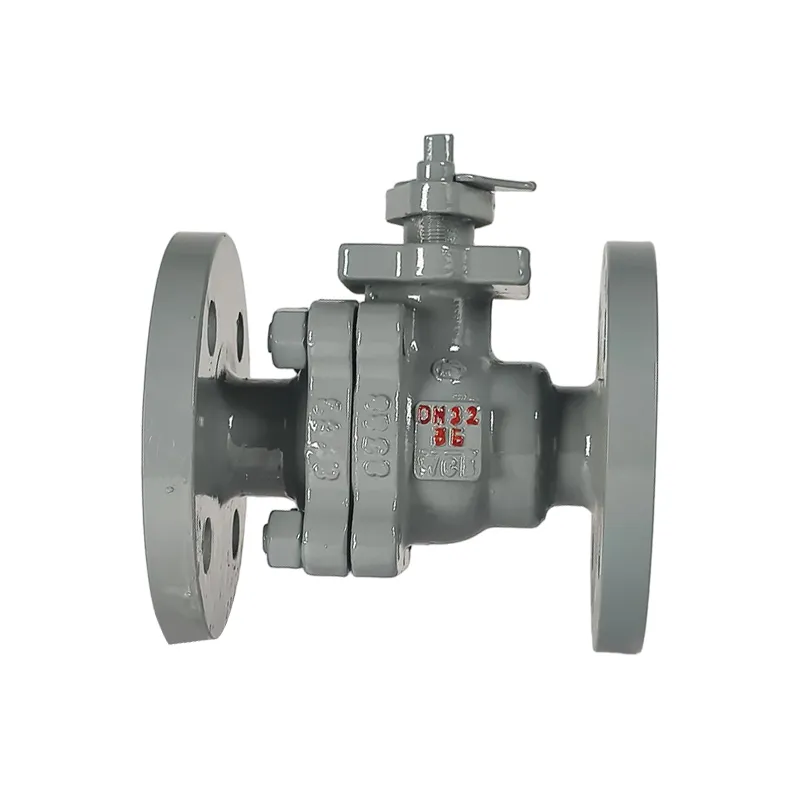
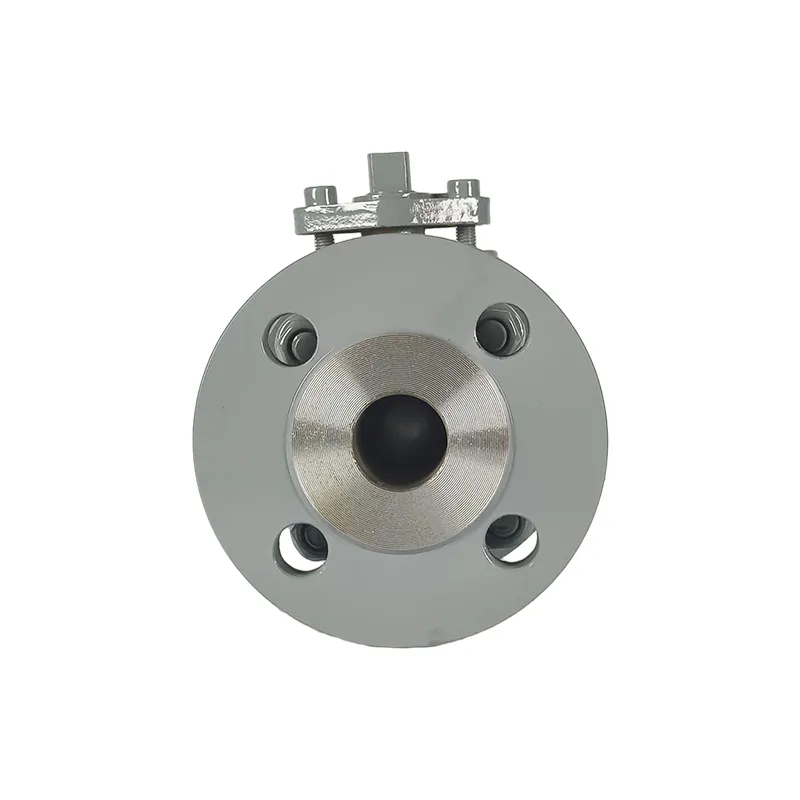
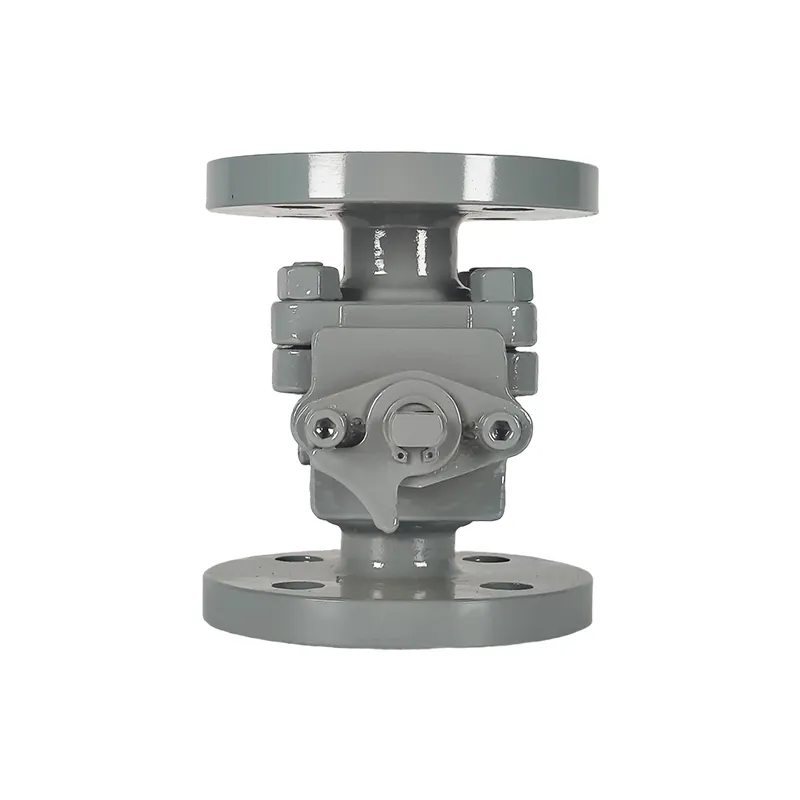
Metal Seated Ball Valve
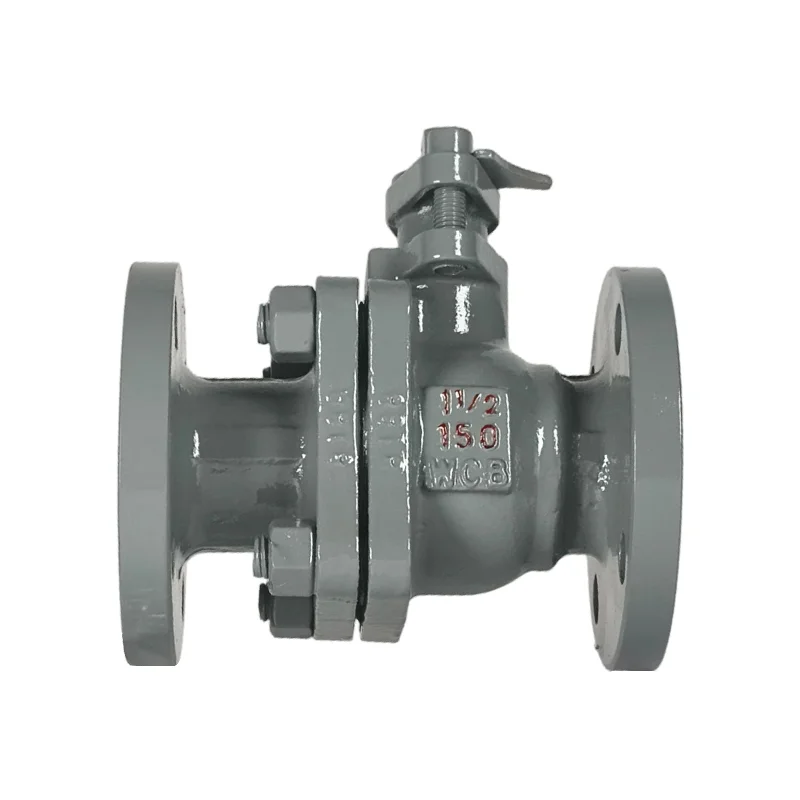
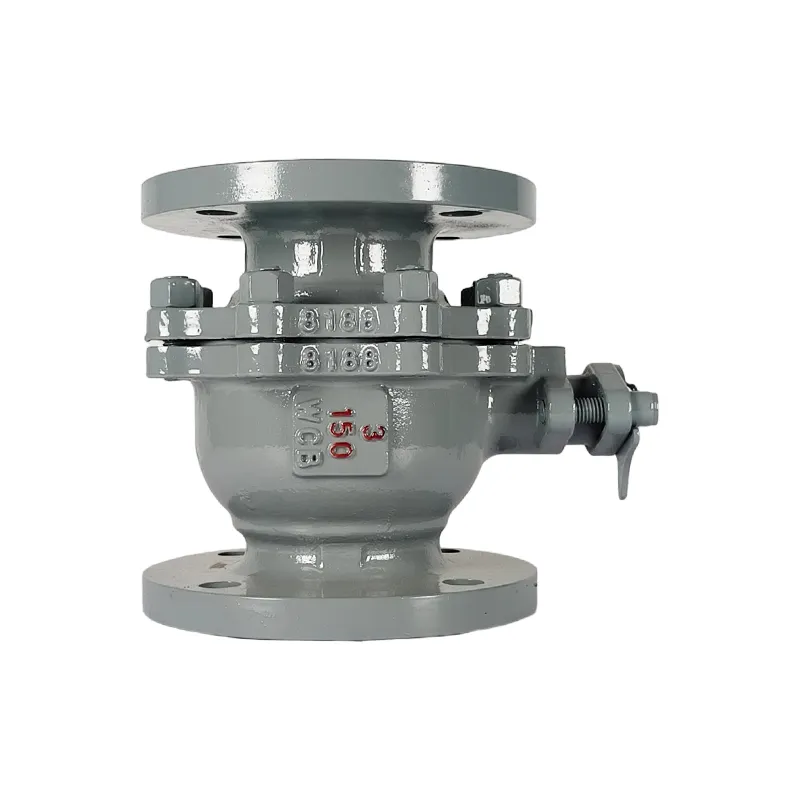
Xiangzheng Valve's metal seated ball valves are engineered specifically for high-temperature and high-pressure working conditions. With excellent wear resistance and erosion resistance, they are the preferred choice for heavy industrial applications. We are your trusted premium valve supplier. Please feel free to send us your inquiries!
Xiangzheng Metal Seated Ball Valve adopts a hard sealing structure in which the ball and valve seat form a metal-to-metal sealing pair. The sealing surfaces are specially processed to improve surface hardness and resistance against abrasion, erosion, and temperature fluctuation. This design allows the valve to maintain stable shut-off performance in applications where soft seated valves may experience aging, deformation, or sealing failure.
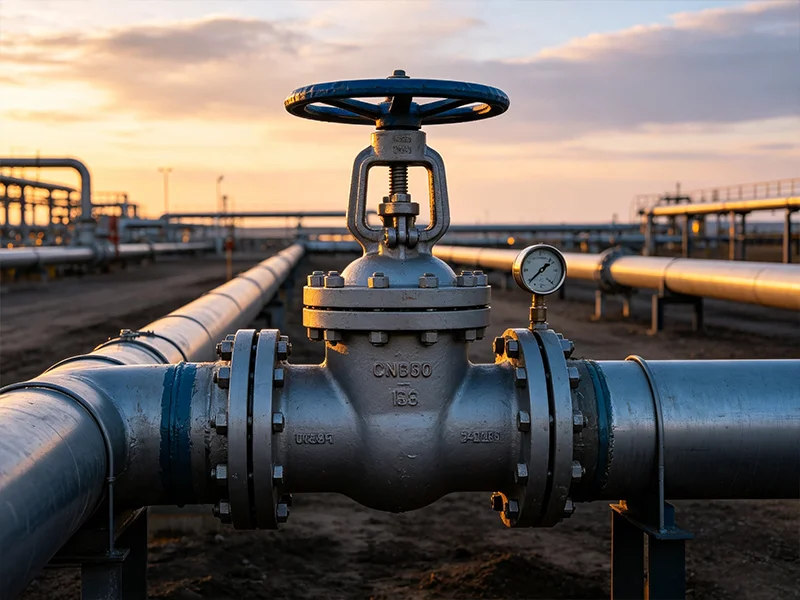
The valve is suitable for pipelines carrying high-temperature steam, hot oil, chemical media, powder particles, slurry, and other challenging fluids. By using metal sealing components, the valve provides a longer service life under harsh working conditions and reduces maintenance frequency caused by seat damage.
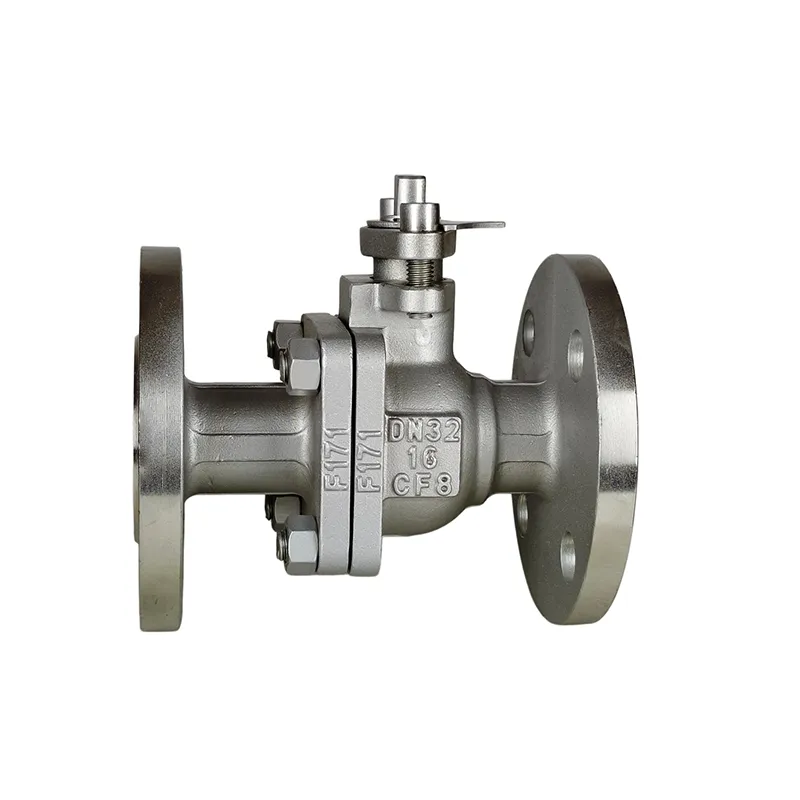
According to different pressure levels and pipeline sizes, Xiangzheng provides both floating ball and trunnion mounted ball valve structures. Floating ball designs are commonly used for medium pressure applications, while trunnion mounted structures are preferred for large diameter and high-pressure systems where lower operating torque and improved mechanical stability are required.
Metal Seated Structure Design
The performance of a metal seated ball valve mainly depends on the accuracy of the sealing structure and the material selection of the sealing components.
Xiangzheng valves use precision-machined ball and seat surfaces to achieve consistent contact between metal sealing parts. Compared with soft sealing materials, metal seats can withstand higher operating temperatures and stronger mechanical impact, making them suitable for industries where continuous production and equipment reliability are important.
For different applications, sealing materials and surface treatments can be selected according to operating temperature, pressure, and medium characteristics. This allows the valve to be configured for general industrial service as well as more demanding high-temperature and abrasive environments.
Metal-Seated Ball Valve vs Soft-Seated Ball Valve
|
Item |
Metal-Seated Ball Valve |
Soft-Seated Ball Valve |
|
Sealing Material |
Metal-to-metal sealing pair |
Metal ball + non-metallic elastic seat |
|
High Temperature Resistance |
Excellent, suitable for long-term high-temperature service |
Limited, only for medium and normal temperature |
|
Particle & Erosion Resistance |
Excellent |
Poor, prone to wear and damage |
|
Zero-Leakage Performance |
Moderate (improvable with precision machining) |
Outstanding |
|
Operating Torque |
Relatively high |
Light and smooth |
|
Service Life (Heavy Industry) |
Extended |
Relatively short |
|
Cost |
Higher |
Lower |
|
Fire & Explosion Safety |
Compliant with API 607 and other fire-safe standards, high safety |
No inherent fire-safe capability |
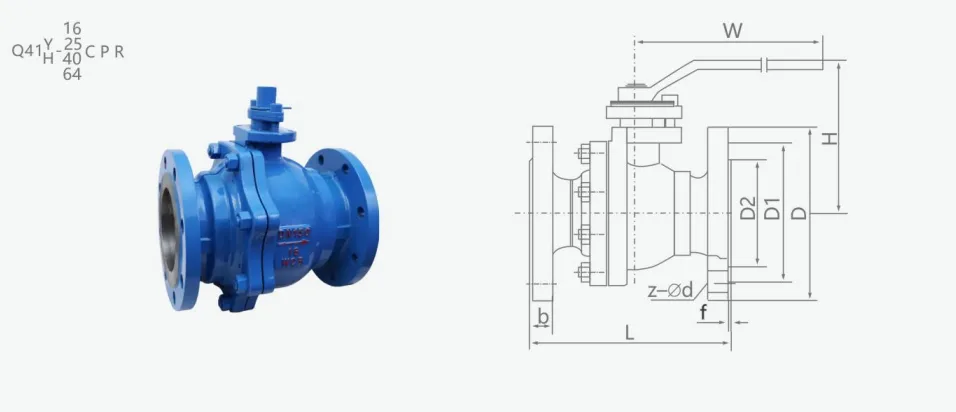
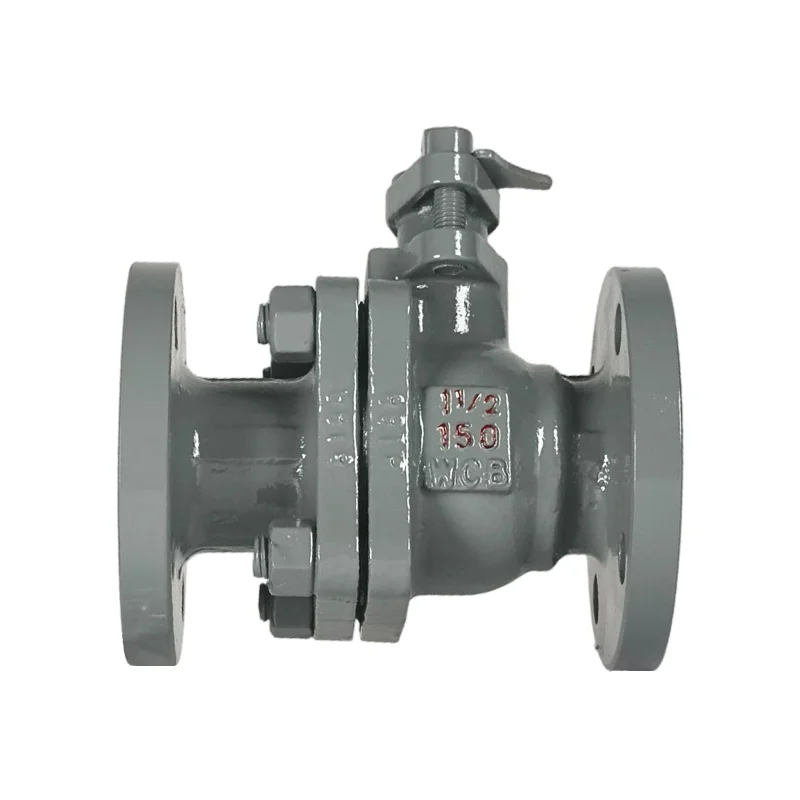
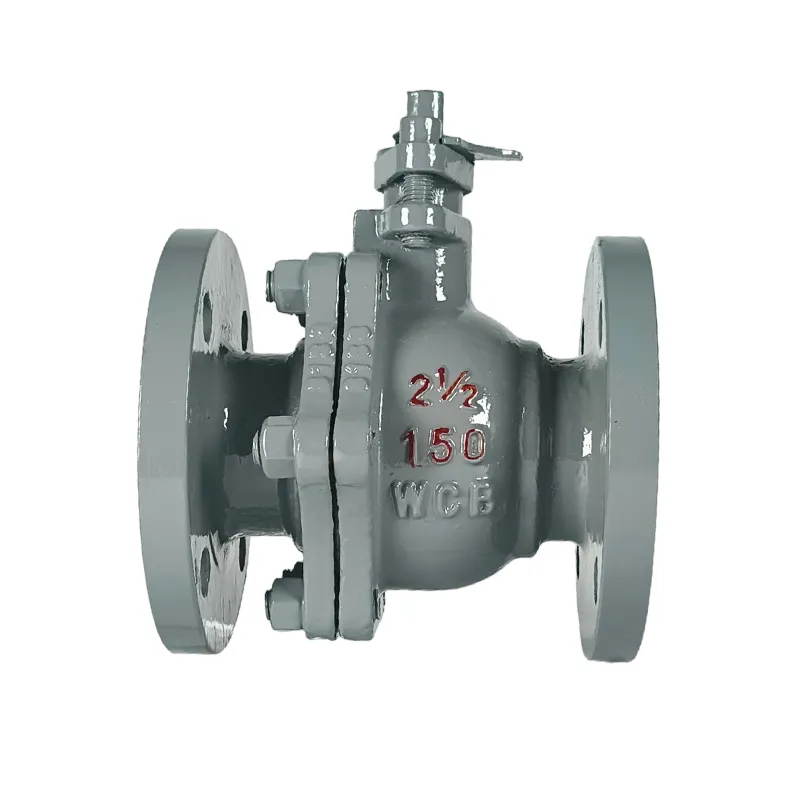
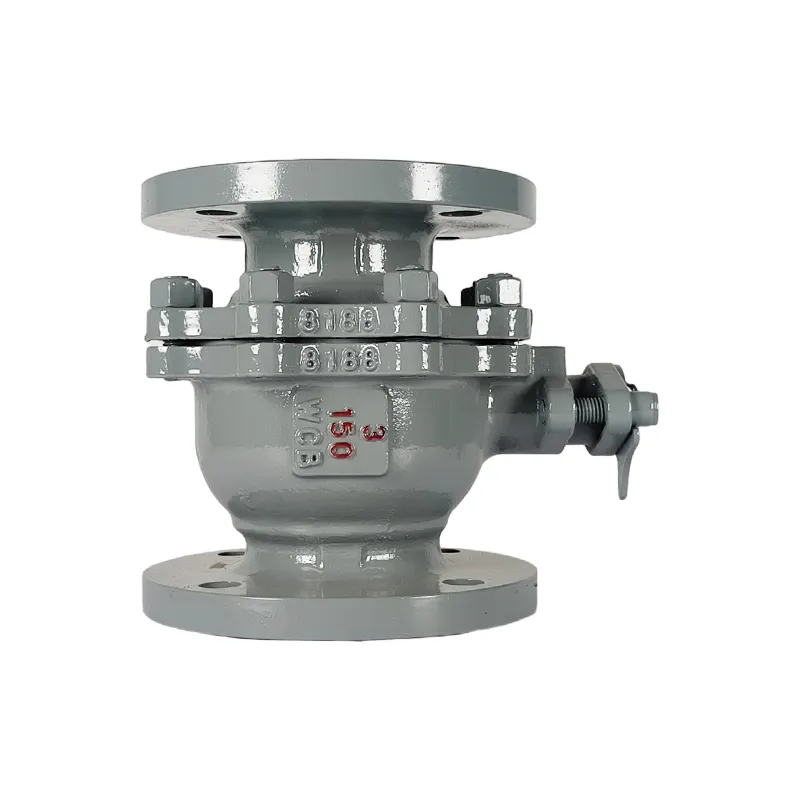
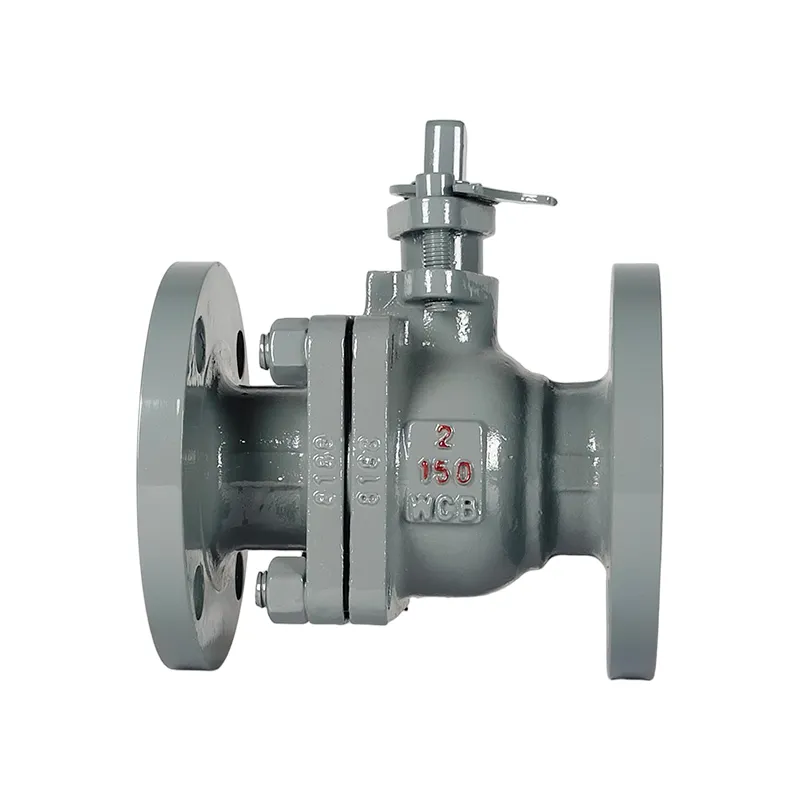
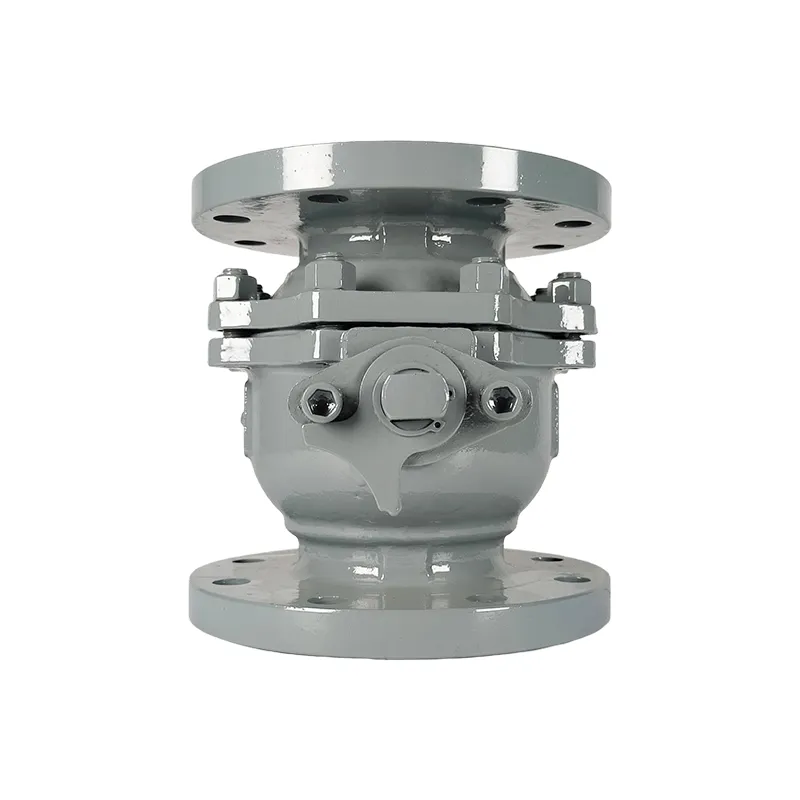
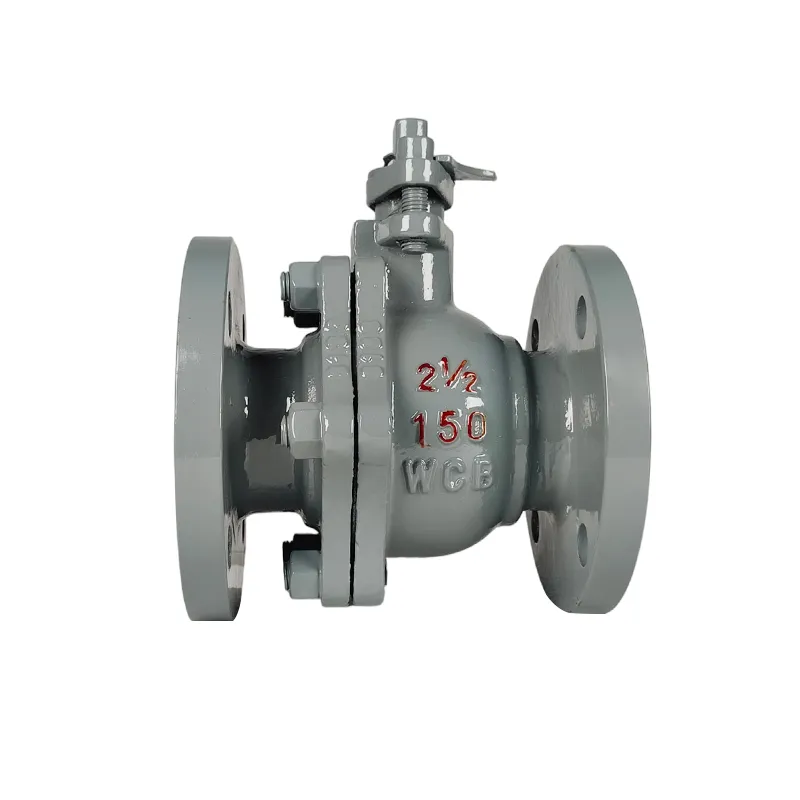
Product Detail Images
Product Features
High Temperature and Pressure Resistance
Metal sealing materials maintain mechanical strength under high temperature conditions, making the valve suitable for steam, thermal oil, and high-temperature chemical processes. Compared with soft seats that may soften or degrade, metal seats provide better long-term stability.
Resistance to Abrasion and Erosion
For pipelines containing particles or abrasive media, valve seats are exposed to continuous impact during operation. The hardened metal sealing structure improves resistance against wear and helps extend service intervals.
Suitable for Heavy Industrial Applications
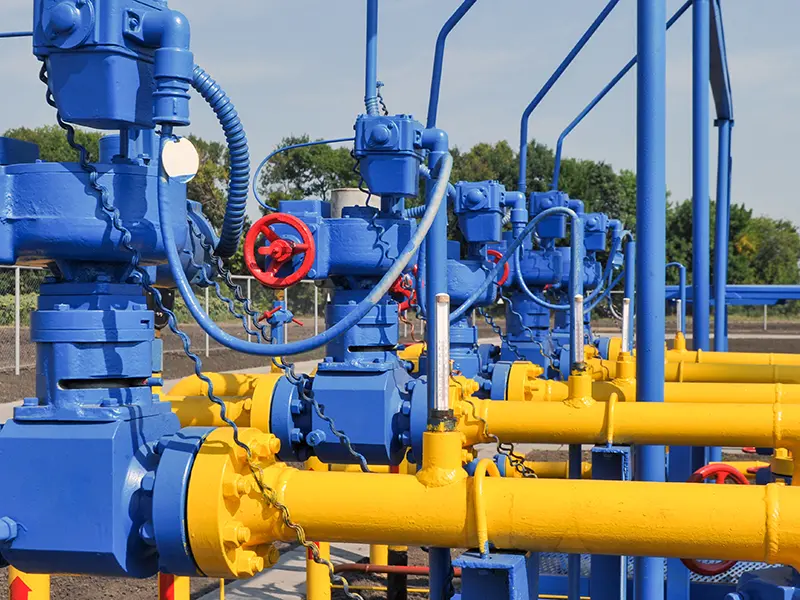
The valve is designed for industries where equipment downtime can affect production efficiency. It is commonly used in petrochemical plants, thermal power stations, metallurgy systems, coal chemical projects, and industrial heating networks.
Flexible Valve Configurations
Xiangzheng provides different configurations according to customer requirements, including floating ball and trunnion mounted designs, carbon steel and stainless steel materials, as well as manual, pneumatic, and electric operation methods.
Application Areas
Petrochemical Industry
Metal seated ball valves are used in refining units, chemical processing pipelines, and high-temperature fluid systems where valves must withstand continuous operation and temperature changes.
Thermal Power Industry
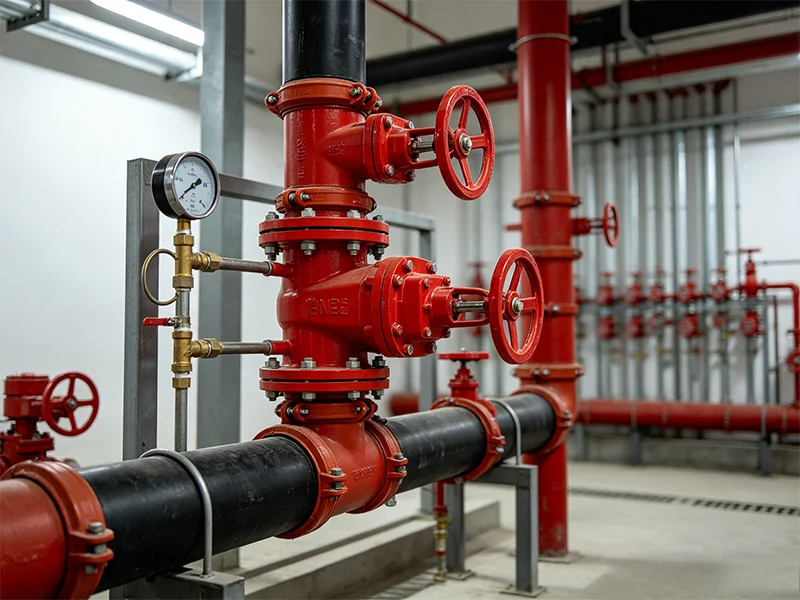
In power plants, the valves are applied in steam pipelines, thermal systems, and auxiliary process lines where high temperature and pressure resistance are required.
Metallurgy Industry
Steel and metal processing systems often involve high-temperature fluids and abrasive materials. The hard sealing structure helps maintain valve performance under these conditions.
Coal Chemical Industry
The valve is suitable for coal gasification, slurry transportation, and other processes involving particles and high-temperature media.
FAQ
1. What is a metal seated ball valve used for?
Our ball valves are mainly used for high-temperature, high-pressure, and abrasive applications where soft seated valves may not provide sufficient service life.
2. What is the difference between metal seated and soft seated ball valves?
They use metal sealing surfaces for better temperature and wear resistance, while soft seated valves use PTFE or similar materials and are mainly used for cleaner and lower-temperature media.
3. Can metal seated ball valves handle abrasive media?
Yes. The hard sealing structure provides better resistance to particle impact, erosion, and wear, making it suitable for slurry, powder, and other abrasive media.
4. What sizes can you supply?
Xiangzheng supplies valves from NPS 1/2″ to 24″ (DN15–DN600) with pressure classes from Class150 to Class600.
5. Are floating ball and trunnion mounted designs available?
Yes. Floating ball designs are suitable for medium pressure applications, while trunnion mounted designs are commonly selected for large diameter and high-pressure systems.
6. Can you provide customized valves?
Yes. Custom solutions are available for valve materials, pressure classes, flange standards, sealing structures, and actuator configurations.
7. What tests are performed before shipment?
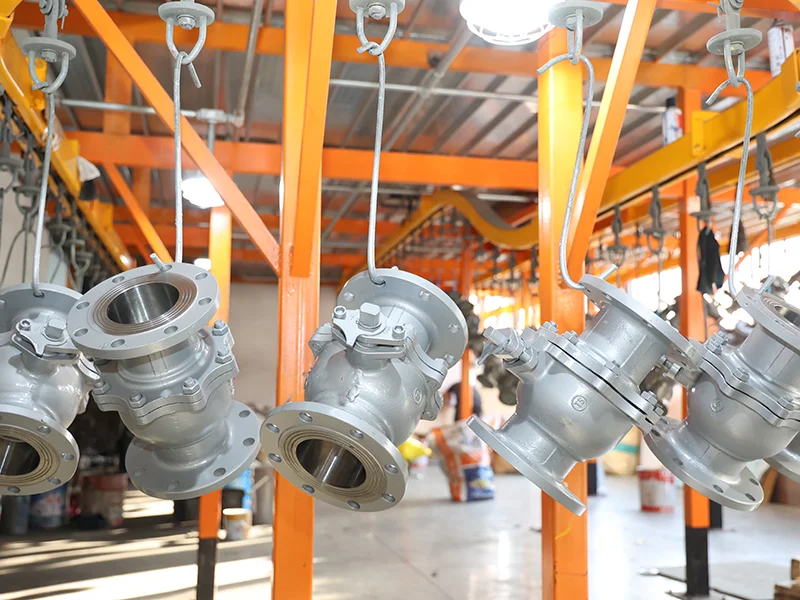
Each valve undergoes dimensional inspection, pressure testing, sealing testing, and final quality inspection before delivery.
Send Inquiry
Contact Info
-
Address
Workshop 101, Building 3, No. 278 Haitong Road, Xinghai Street, Longwan District, Wenzhou City, Zhejiang Province, China
-
Tel
-
Email
we enhance our competitiveness by exploring new markets and developing new products. We always keep in mind the needs of our customers and the expectations of our end users to optimize our product design and services.
News Recommendations