English
- English
- Español
- Português
- русский
- Français
- 日本語
- Deutsch
- tiếng Việt
- Italiano
- Nederlands
- ภาษาไทย
- Polski
- 한국어
- Svenska
- magyar
- Malay
- বাংলা ভাষার
- Dansk
- Suomi
- हिन्दी
- Pilipino
- Türkçe
- Gaeilge
- العربية
- Indonesia
- Norsk
- تمل
- český
- ελληνικά
- український
- Javanese
- فارسی
- தமிழ்
- తెలుగు
- नेपाली
- Burmese
- български
- ລາວ
- Latine
- Қазақша
- Euskal
- Azərbaycan
- Slovenský jazyk
- Македонски
- Lietuvos
- Eesti Keel
- Română
- Slovenski
- मराठी
- Srpski језик
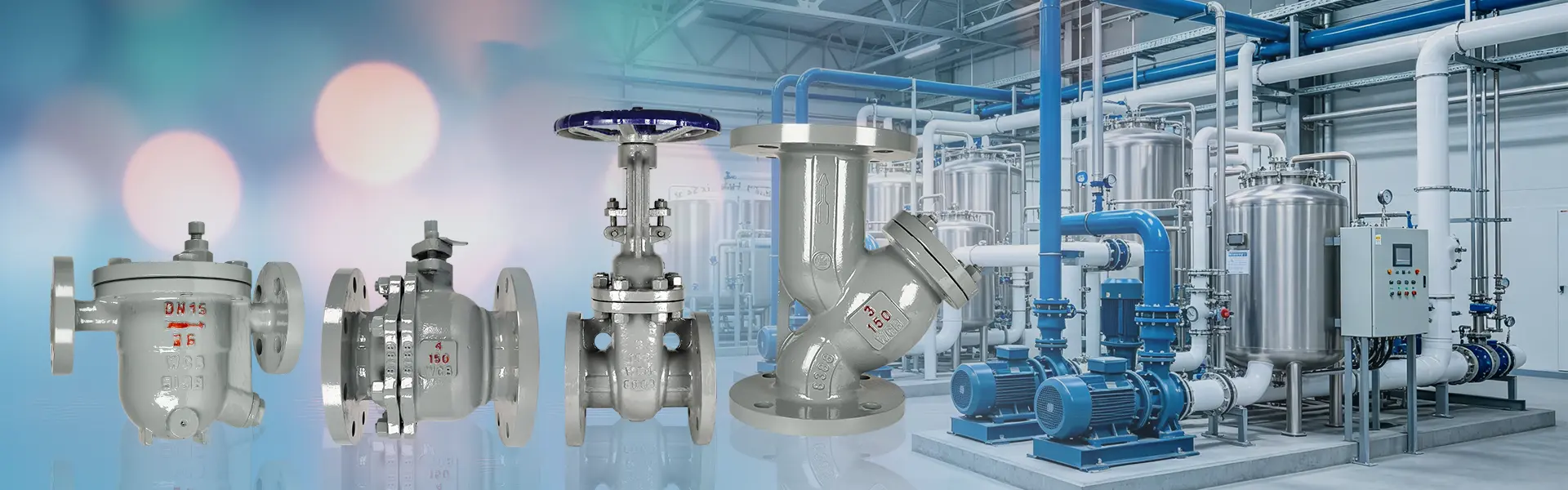
Leading Butterfly Valves Manufacturer for Reliable Flow Control
The Butterfly Valve is a quarter-turn rotary valve that uses a circular disc mounted on a shaft to regulate or isolate fluid flow. The disc rotates within the pipe bore. In the fully open position, the disc aligns edge-on to the flow, minimizing obstruction and pressure drop. In the closed position, the disc rotates 90 degrees to seat against a resilient or metal seal, stopping flow completely. This operating principle makes the butterfly valve one of the most space-efficient and cost-effective valve types for large-diameter piping systems.
Xiangzheng manufactures butterfly valve for a broad spectrum of industrial sectors. The company’s engineering team focuses on robust body construction, precision-machined discs, and high-quality seats to deliver consistent performance under cycling, throttling, and full-shutoff conditions. Whether the application involves clean water, aggressive chemicals, steam, or abrasive slurries, Xiangzheng offers a configuration that matches the required pressure, temperature, and corrosion constraints.
Design Configurations and Offset Geometry
Butterfly valves are available in three primary offset configurations. Each geometry offers distinct advantages depending on the sealing mechanism and operating conditions.
- Concentric or zero-offset design: The disc and stem are centered in the pipe. This is the most common resilient-seated butterfly valve configuration. It provides bubble-tight shutoff at moderate temperatures and pressures. The seat is typically a soft elastomer that wraps around the body and forms the sealing surface.
- Double-offset design: The stem is slightly offset from the seat centerline and the disc centerline. This reduces seat friction during opening and closing, extends seat life, and allows the valve to handle higher cycle rates. Double-offset butterfly valves are often used for high-cycle industrial automation systems.
- Triple-offset design: The disc has a conical shape and a third offset creates a metal-to-metal seal with minimal wear. This configuration is designed for high-temperature, high-pressure, and fire-safe applications. Triple-offset butterfly valves achieve zero leakage and are commonly used in refineries, steam lines, and critical isolation services.
Xiangzheng manufactures all three configurations, with the triple-offset series being particularly popular for customers who need fire-safe certification and high-integrity shutoff. The double-offset and triple-offset designs are also better suited for throttling service because they reduce the seat contact area and minimize torque fluctuations.
Actuation and Automation Options
Selecting the correct actuation method is essential for operational efficiency and safety. Xiangzheng butterfly valves can be supplied with manual or automated actuation, depending on the control requirements of the installation.
- Lever handle: Best for smaller diameters up to DN150 or low-torque applications. The handle provides a clear visual position indicator and is suitable for manual open-close service.
- Worm gear operator: Recommended for larger valves or when the system pressure creates high torque. The gear mechanism multiplies operator input, making operation easier and providing a locking mechanism to hold the disc in position.
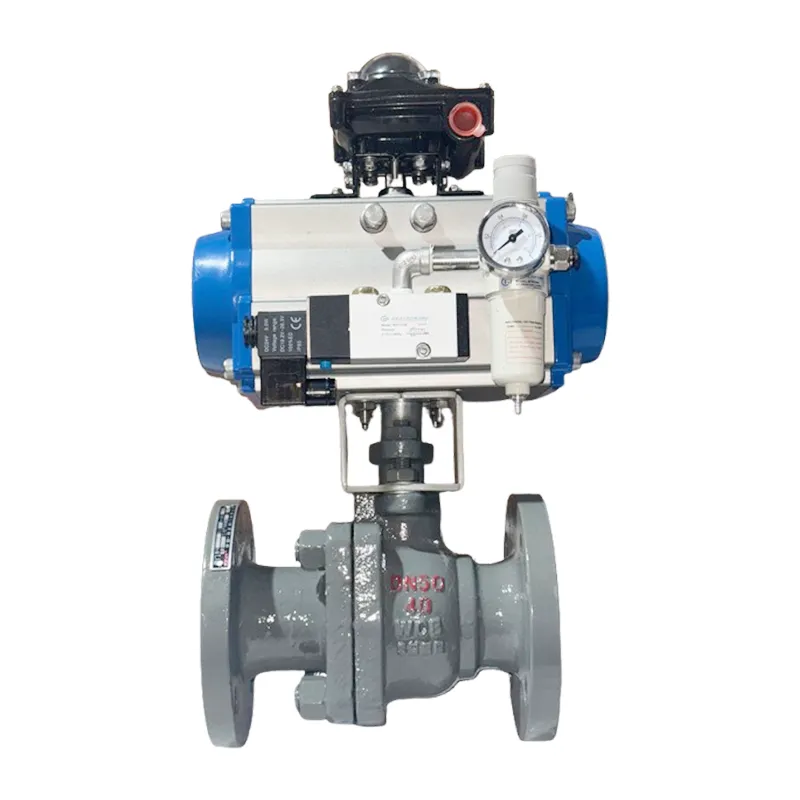
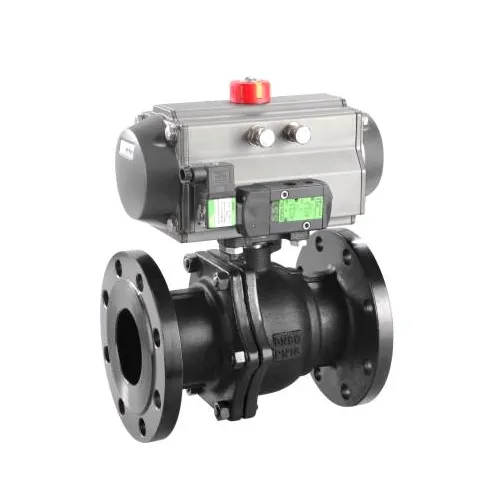
- Pneumatic actuator: Ideal for fast, frequent operation in automated processes. Double-acting or spring-return actuators are available. They are commonly used in water treatment, food processing, and chemical plants.
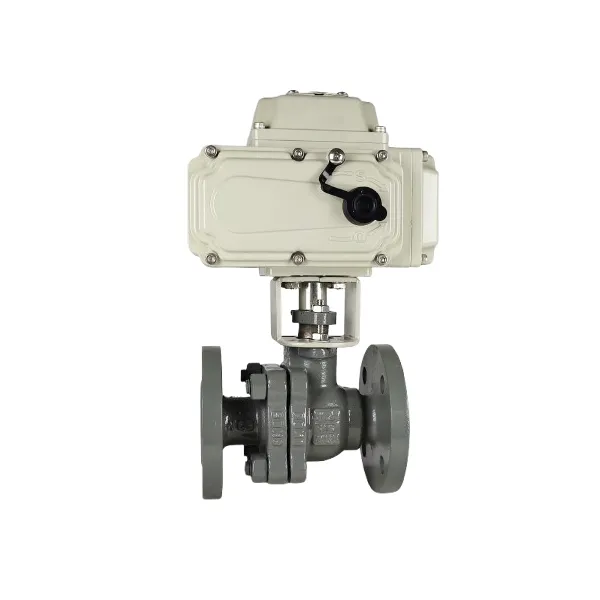
- Electric actuator: Provides precise control and can be integrated with PLC and SCADA systems. Electric actuators are suitable for remote locations and applications that require continuous modulating control.
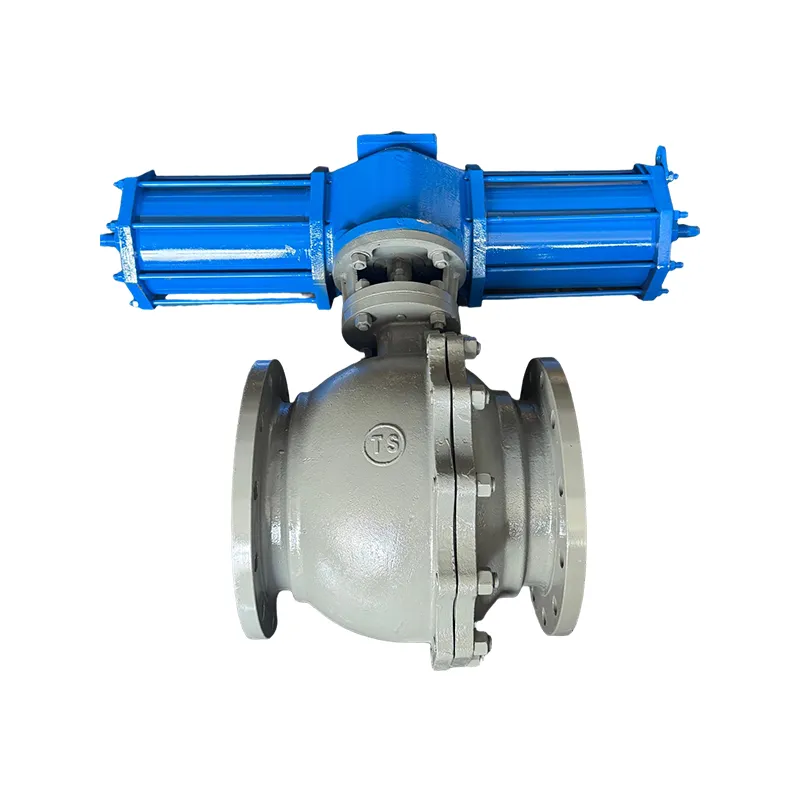
- Hydraulic actuator: Reserved for very large valves and high-pressure systems where enormous torque is required.
Quality Control and Testing Procedures
Xiangzheng follows a rigorous quality assurance program from raw material inspection to final assembly. Each butterfly valve undergoes a sequence of pressure tests and dimensional checks to verify compliance with the selected design standard. The standard testing plan includes shell strength testing at 1.5 times the rated working pressure and seat leakage testing at 1.1 times the rated pressure. Additional tests such as fugitive emission testing, cryogenic testing, and fire-safe testing are available on request.
During production, the body and disc are machined on CNC equipment to maintain tight tolerances and precise alignment. The seat is inspected for hardness, compression set, and surface finish. After assembly, the valve is cycled multiple times to verify smooth rotation and uniform sealing. Batch traceability is maintained for all materials, and test certificates can be provided with each order.
Frequently Asked Questions
Q: What is a butterfly valve and how does it work?
A: A butterfly valve is a quarter-turn rotary valve that uses a flat or profiled disc mounted on a shaft to control fluid flow. When the actuator rotates the shaft 90 degrees, the disc moves from a position parallel to the flow direction to a position perpendicular to it. In the parallel position, the valve is fully open and flow passes around the disc. In the perpendicular position, the disc presses against the seat and blocks flow. The low operating torque and compact face-to-face dimension make the butterfly valve a practical choice for large pipe sizes and automated systems.
Q: What is the difference between wafer, lug, and flange butterfly valves?
A: A wafer butterfly valve is designed to fit between two pipe flanges and is held in place by the flange bolts that pass through the entire assembly. It is the lightest and most economical style but cannot be used for dead-end service. A lug butterfly valve has threaded inserts or lugs on the body, allowing each side to be bolted independently. This style enables one side of the pipe to be removed while the other side remains pressurized. A flange butterfly valve has integral flanged ends that bolt directly to pipe flanges. It provides the strongest structural integrity and is preferred for high-pressure or large-diameter applications where alignment and load distribution are critical.
Q: What seat material should I choose for my process media?
A: The seat material selection should be based on temperature, chemical compatibility, and the presence of abrasives. EPDM is the standard choice for water, dilute acids, and alkaline solutions. NBR is suitable for oils and hydrocarbons. PTFE provides broad chemical resistance and is ideal for corrosive or high-purity media. Viton is used when hot oils or aggressive chemicals are present. For steam, hot gases, or high-temperature services, a metal seat in a triple-offset design is recommended. If the media is abrasive or contains solid particles, a reinforced seat or metal seat should be considered to extend service life.
Q: How do I determine the correct valve size and pressure class?
A: Start with the pipe nominal diameter and the system design pressure. The valve pressure rating must meet or exceed the maximum working pressure at the operating temperature. For throttling applications, a flow calculation using the valve flow coefficient is necessary to select a size that provides the required capacity without excessive pressure drop. Installing a full-line-size butterfly valve is common for isolation service, but in some cases a smaller valve with reduced port may be selected to optimize control. Xiangzheng provides sizing data and engineering support to help match the correct valve series and dimensions to your operating conditions.
Q: How should a butterfly valve be installed correctly?
A: The correct installation procedure begins with inspecting the pipe flanges for cleanliness, flatness, and proper alignment. The valve should be fully open when inserted between flanges to protect the disc edge and seat. For wafer and lug styles, install the valve centered between the flanges and then tighten the flange bolts evenly in a diagonal pattern. For flanged valves, use the proper gasket and bolt torque sequence. Check the flow direction arrow on the body and ensure the valve operates in the intended direction. Provide sufficient clearance for handle or actuator movement, and avoid using the valve as a support for heavy piping.
- View as
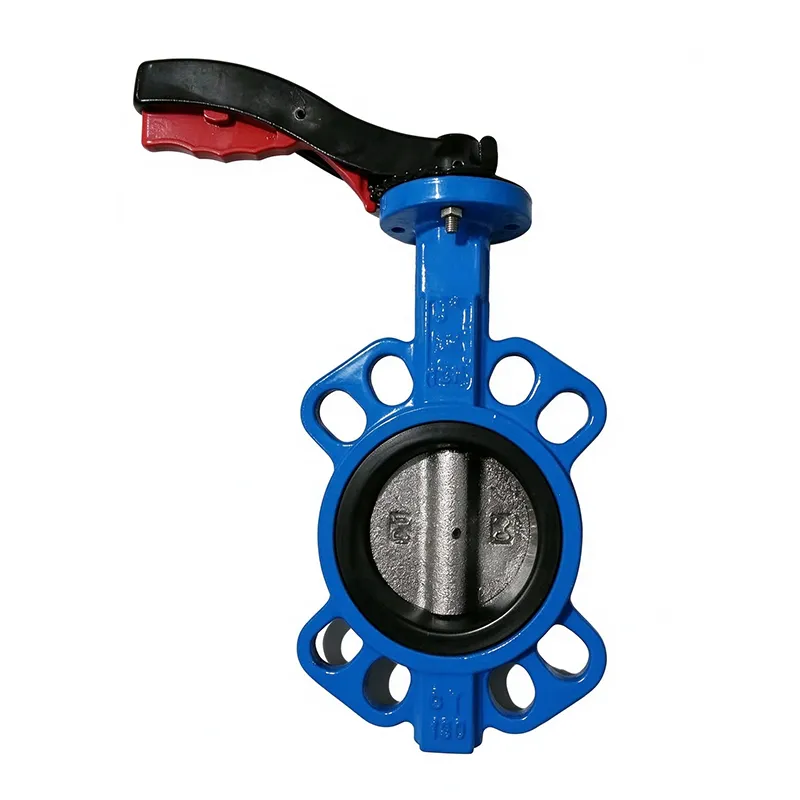
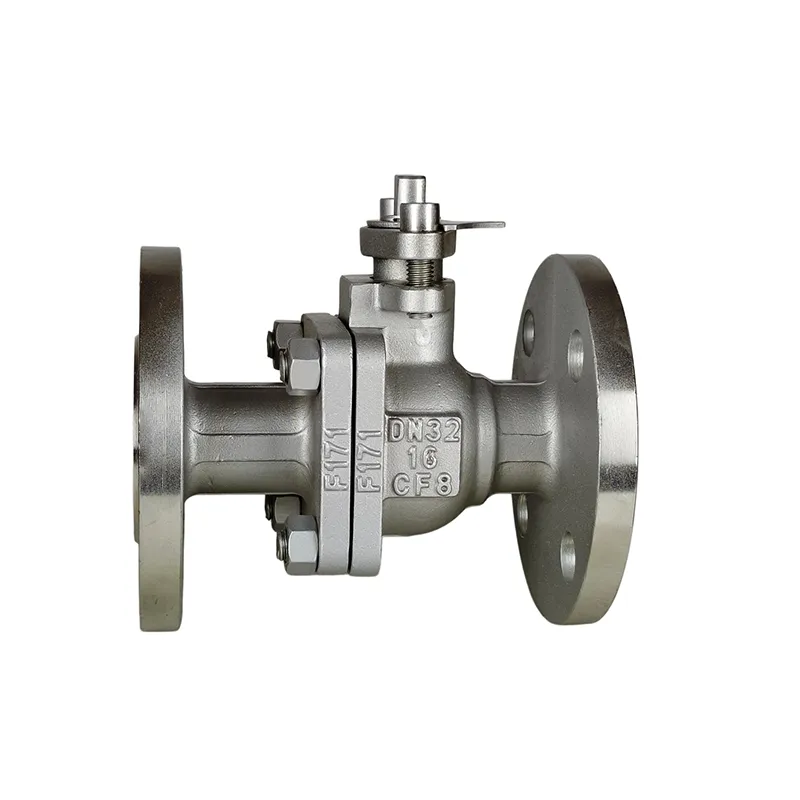
ANSI Flanged Metal Sealed Butterfly Valve
Made in-house at Xiangzheng's factory in China, we are a recognized ANSI Flanged Metal Sealed Butterfly Valve manufacturer and supplier, meticulously monitoring every step of production to ensure quality and clear pricing, providing our customers with cost-effective solutions.
Xiangzheng offers dependable Butterfly Valves for industrial projects. Contact our team for a quote.
News Recommendations