English
- English
- Español
- Português
- русский
- Français
- 日本語
- Deutsch
- tiếng Việt
- Italiano
- Nederlands
- ภาษาไทย
- Polski
- 한국어
- Svenska
- magyar
- Malay
- বাংলা ভাষার
- Dansk
- Suomi
- हिन्दी
- Pilipino
- Türkçe
- Gaeilge
- العربية
- Indonesia
- Norsk
- تمل
- český
- ελληνικά
- український
- Javanese
- فارسی
- தமிழ்
- తెలుగు
- नेपाली
- Burmese
- български
- ລາວ
- Latine
- Қазақша
- Euskal
- Azərbaycan
- Slovenský jazyk
- Македонски
- Lietuvos
- Eesti Keel
- Română
- Slovenski
- मराठी
- Srpski језик
Trusted Ball Valves Manufacturer for Reliable Flow Control Solutions
Industrial Ball Valve Solutions for Critical Flow Control
A Ball Valve is a quarter-turn rotary valve that uses a hollow, perforated sphere to start, stop, or regulate the flow of liquids, gases, and slurries. When the bore of the sphere aligns with the pipeline, the valve is open; when the sphere rotates 90 degrees, the bore becomes perpendicular to the flow path and the valve closes. This simple yet robust design offers fast shutoff, low pressure drop, and excellent sealing performance. Xiangzheng has specialized in manufacturing high-performance ball valves for more than two decades, supplying industries that demand tight shutoff, long service life, and compliance with international standards.
Key Features
Every Xiangzheng ball valve is engineered with features that improve safety, reduce maintenance, and extend operational life. The following list explains the most important design elements found across our product lines.
- Blow-out proof stem: The stem is inserted from inside the body and features a shoulder that prevents it from being ejected under pressure, even if the packing or actuator is removed.
- Anti-static device: A spring-loaded ball between the stem and ball or between stem and body ensures electrical continuity, preventing static charge buildup in flammable services.
- Live-loaded packing: Belleville washers or spring washers maintain constant compression on the stem packing, reducing fugitive emissions and extending packing life.
- Double block and bleed capability: Trunnion-mounted ball valves can seal both upstream and downstream seats simultaneously, allowing cavity venting or draining for maintenance isolation.
- Fire-safe design: Valves are tested to API 607 and ISO 10497. In the event of a fire, secondary metal seats provide shutoff after soft seats degrade.
- Low emission packing: Optional packing systems comply with ISO 15848 and TA Luft for fugitive emission control in volatile organic compound service.
- Full bore and reduced bore options: Full bore valves have a ball opening equal to the pipe diameter, minimizing pressure drop and allowing pigging. Reduced bore valves are smaller, lighter, and more economical.
- Precision-machined ball and seats: The ball is machined to tight roundness and surface finish tolerances, while seats are lapped to ensure bubble-tight shutoff.
- Locking device: Manual valves can be supplied with a lockable lever or gear operator to prevent unauthorized operation.
- Customizable end connections: Flanged, threaded, socket weld, butt weld, tri-clamp, and combination ends can be produced to match existing piping systems.
Industries Served
Xiangzheng ball valves are installed in demanding environments where reliability and safety are critical. Our engineering team adapts materials, coatings, and actuation packages to match the specific requirements of each industry.
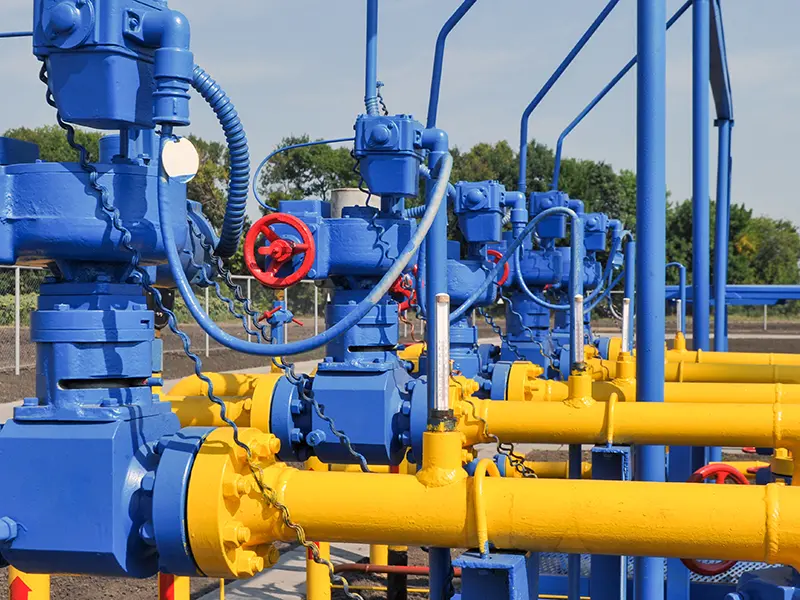
- Oil and gas: Upstream wellheads, gathering lines, midstream pipelines, and downstream refining units use trunnion ball valve with fire-safe and anti-static features. Sizes up to 24 inches and pressure classes up to Class 2500 are common.
- Chemical and petrochemical: Corrosive acids, solvents, and aggressive media require stainless steel, alloy, or PTFE-lined ball valve with PEEK or metal seats.
- Water and wastewater treatment: Ductile iron, stainless steel, and PVC ball valve handle raw water, treated effluent, sludge, and chemical dosing lines.
- Power generation: High-temperature steam, cooling water, and fuel gas systems use metal-seated ball valve with precise shutoff and low leakage.
- Marine and shipbuilding: Bronze, duplex, and super duplex ball valve withstand seawater corrosion and meet classification society requirements.
- Food and beverage: Sanitary tri-clamp ball valve with 316L stainless steel and FDA-compliant seats are used in processing, CIP, and SIP systems.
- Pharmaceutical: High-purity ball valve with electropolished surfaces, PTFE seats, and ISO 9001-certified manufacturing ensure product safety.
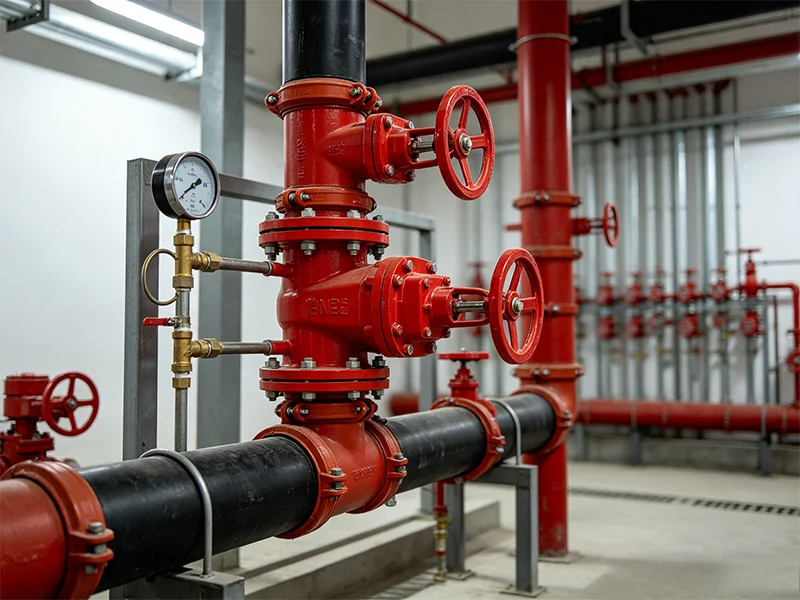
- HVAC and building services: Brass and stainless steel ball valve provide simple shutoff for chilled water, hot water, and compressed air lines.
Why Xiangzheng Stands Out in Ball Valve Manufacturing
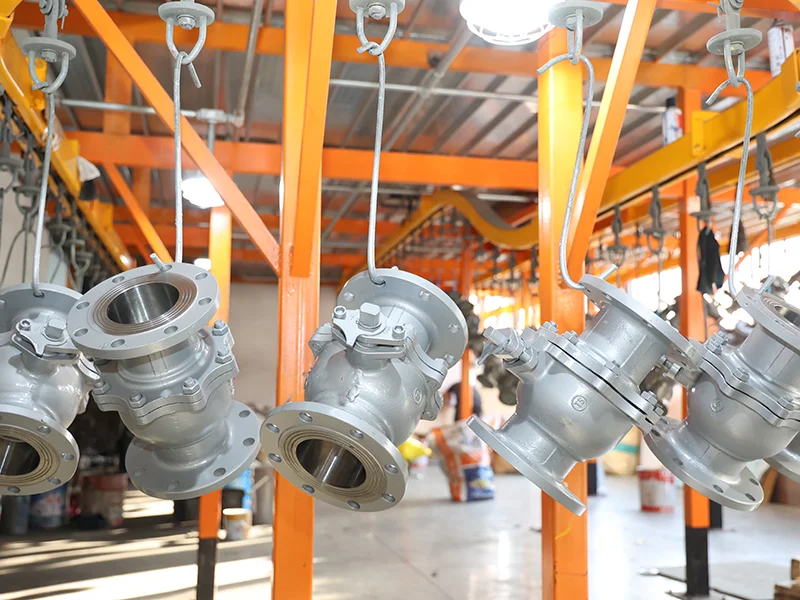
Xiangzheng combines advanced CNC machining, in-house testing, and strict quality control to deliver ball valves that perform under pressure. Our facility is equipped with automated welding stations, cryogenic test chambers, and fugitive emission testing rigs. Every valve is pressure tested before shipment, and full material traceability is available.
We offer engineering support from the initial specification through installation. Our teams help you choose the correct body material, seat material, and actuation method for your operating pressure, temperature, and media. We also provide documentation packages, including material test reports, hydrostatic test certificates, and fire-safe certificates, to satisfy project requirements.
Xiangzheng understands that downtime is expensive. That is why we maintain stock of commonly requested sizes and materials, allowing fast delivery for urgent replacements. For large projects, we offer scheduled manufacturing and partial shipments to match construction timelines.
Frequently Asked Questions
What is a ball valve and how does it work?
A ball valve is a quarter-turn shutoff device that uses a spherical ball with a bore through its center. The ball rotates inside a body between two seats. When the bore is aligned with the pipe, flow passes through. When the handle or actuator turns the ball 90 degrees, the solid part of the ball blocks the flow path. Because the ball surface contacts the seats continuously, ball valve provides bubble-tight shutoff. They are best suited for on/off service, although special V-port or characterized balls can be used for throttling in certain applications.
What is the difference between a floating ball valve and a trunnion ball valve?
In a floating ball valve, the ball is supported only by the two seats. The stem is connected to the ball with a slot, but the ball is free to move slightly downstream under pressure. This design works well for smaller sizes and lower pressures, usually up to 6 inches and Class 600. In a trunnion ball valve, the ball is supported at the top and bottom by bearing trunnions. The ball remains centered even under high pressure, so the seats are spring-loaded against the ball. Trunnion ball valves are used for larger sizes and higher pressures, from 6 inches up to 60 inches and Class 1500 or Class 2500. They also provide double block and bleed capability in many configurations.
What materials are available?
Xiangzheng offers a wide range of body, trim, and seat materials. Body materials include carbon steel WCB and LCB, stainless steel 304, 316, 316L, 321, duplex steel 2205, super duplex 2507, alloy 20, Monel, Inconel, brass, bronze, and plastic options such as PVC, CPVC, and PVDF. Seat materials include PTFE, RPTFE, PEEK, nylon, Delrin, metal seated, graphite, EPDM, and FPM. Packing and gasket materials vary depending on temperature and fugitive emission requirements. For severe service, we can supply tungsten carbide coatings, hard chrome plating, and Stellite overlays on the ball and seats.
How do I choose the right size and pressure rating for a ball valve?
Start by determining the pipe size and flow requirements. Full bore ball valves match the pipe inside diameter and minimize pressure loss, while reduced bore valves are smaller and more economical for many applications. Next, calculate the maximum operating pressure and temperature of your system. Compare these values against the valve pressure-temperature ratings in ASME B16.34 or the relevant standard. Select a pressure class with enough margin, typically at least 25% above your maximum working pressure. Also check the connection type, end standard, and whether the valve will be used in a corrosive or abrasive environment. Xiangzheng engineers can review your process conditions and recommend the correct size, class, and material combination.
Can ball valve be used for throttling or flow control?
Standard ball valve is designed for on/off service because partial opening can cause high-velocity flow that erodes the seats and ball. However, special V-port ball valve or characterized ball valve are available for throttling service. These valves have a V-shaped notch in the ball or a contoured bore that provides a more linear flow characteristic. They are used in applications such as chemical dosing, steam control, and gas flow regulation where a rotary control valve is preferred. For most shutoff applications, a standard full bore or reduced bore ball valve is the correct choice.
What is the difference between full bore and reduced bore?
A full bore ball valve has a ball opening that is approximately the same inside diameter as the connecting pipe. This means there is no flow restriction through the valve. Full bore valves are used in pipelines that require pigging, in slurry services, and in applications where pressure drop must be minimized. A reduced bore ball valve has a ball opening that is one pipe size smaller than the nominal pipe size. For example, a 2-inch reduced bore valve may have a 1.5-inch ball opening. Reduced bore valves are lighter, smaller, and less expensive, and they are suitable for most general on/off services where a slight pressure drop is acceptable.
- View as
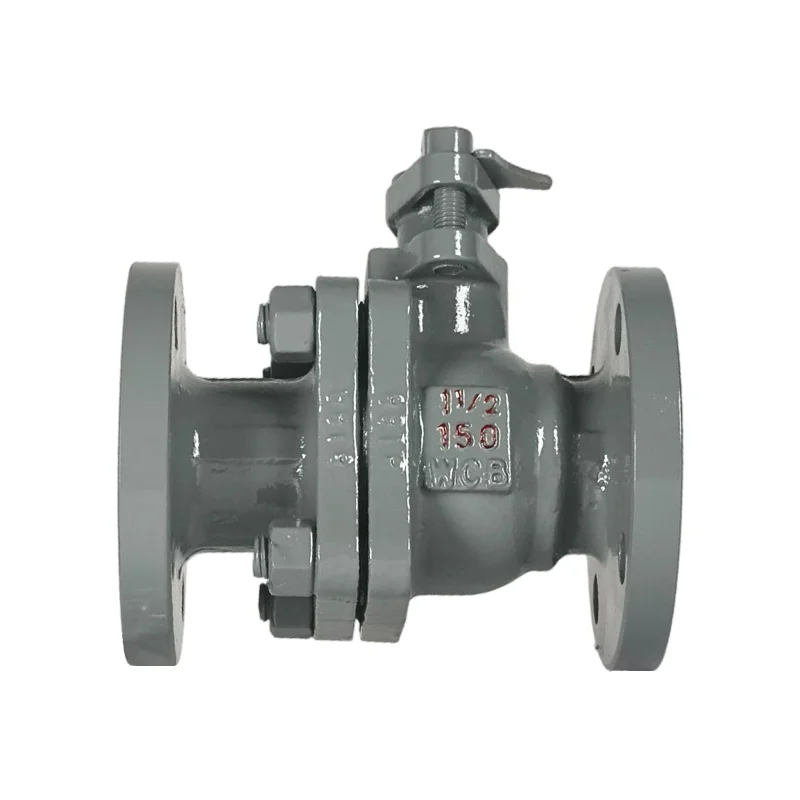
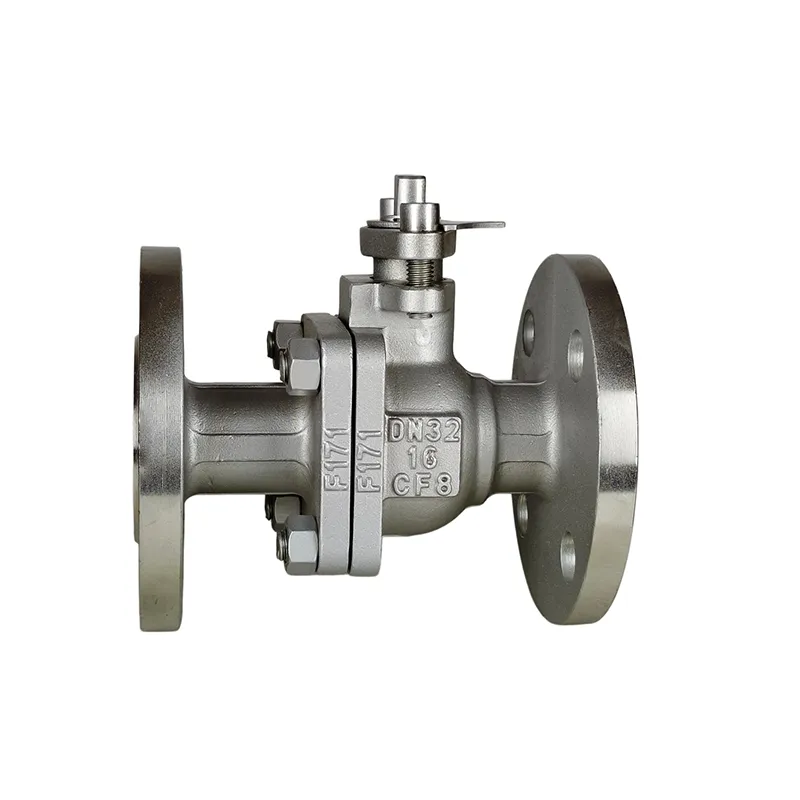
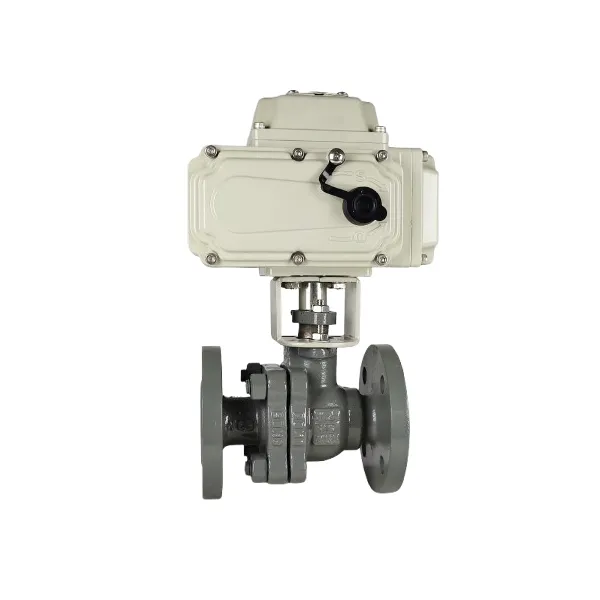
Flanged Floating Ball Valve
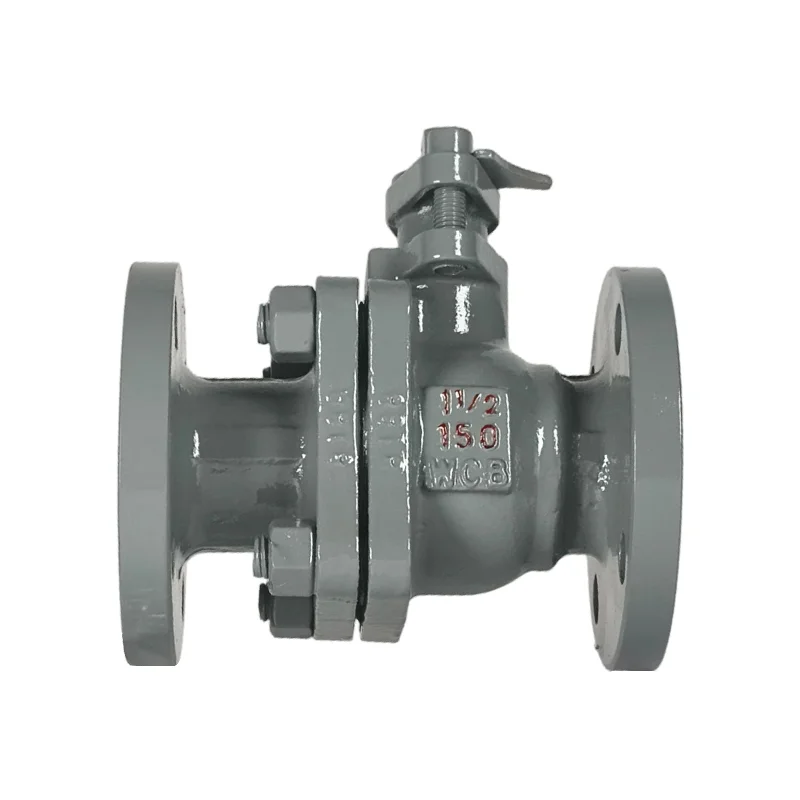
The flanged floating ball valve from Xiangzheng is engineered for severe environments. We are a source factory specializing in valve R&D, production, manufacturing and global sales. All the ball valves undergo strict full-range quality inspection to guarantee stable and reliable performance, delivering premium fluid control solutions for chemical, gas, water treatment and heating industries.
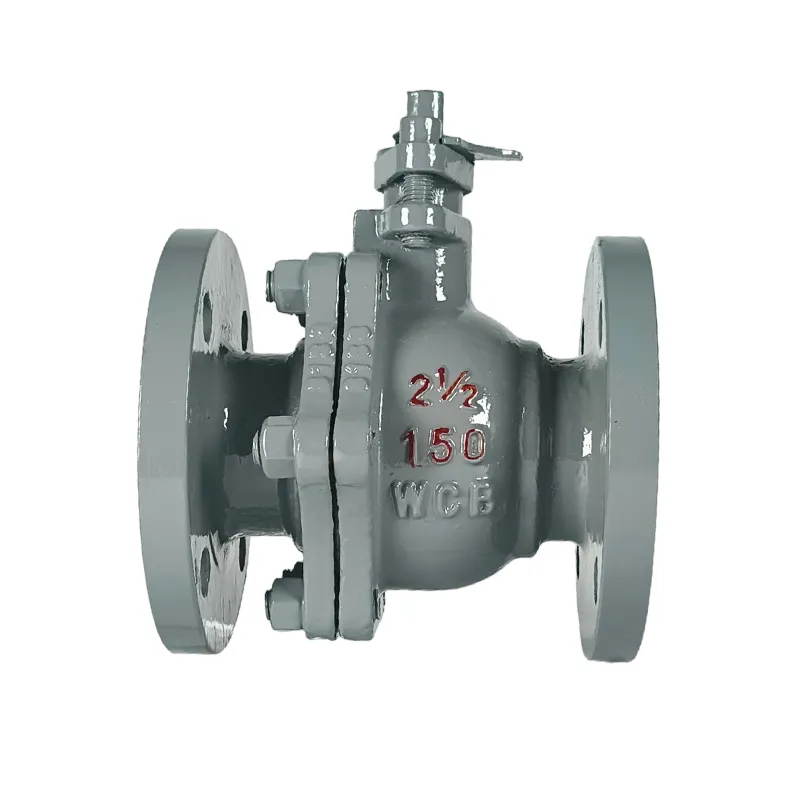
Flanged Ball Valve
Managing reliable fluid isolation in severe chemical pipelines, volatile gas distribution lines, and urban HVAC systems requires uncompromising valve engineering. The Xiangzheng flanged ball valve series is precisely developed to bridge this gap, offering a versatile range of mid-to-low pressure carbon steel and stainless steel valve configurations.As a National High-Tech Enterprise and a trusted Provincial Innovative SME with over 18 years of specialized valve manufacturing technology,our industrial ball valves deliver stable, leak-free performance for strategic global project utilities.
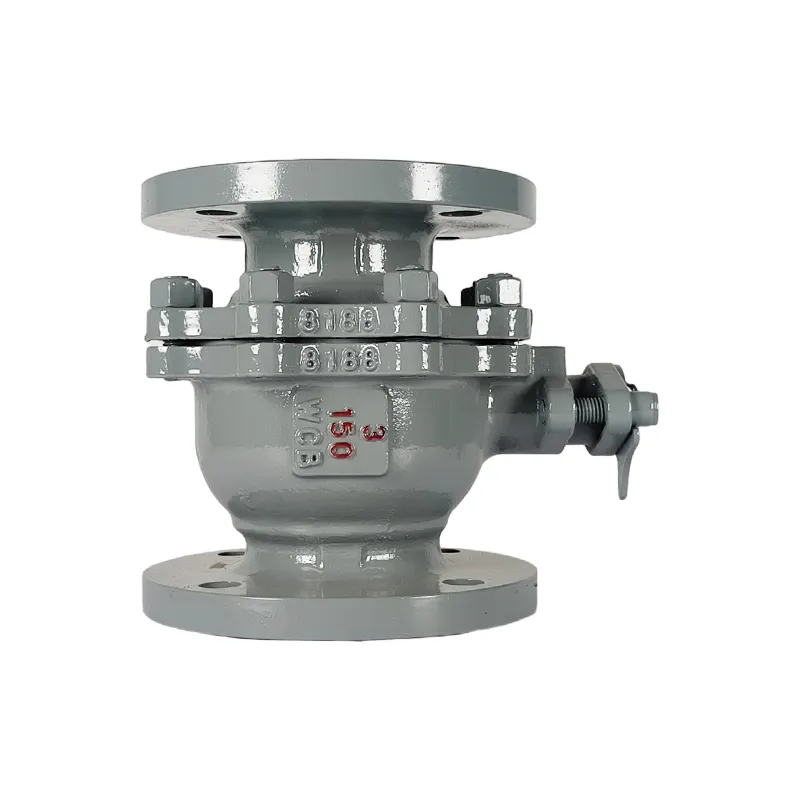
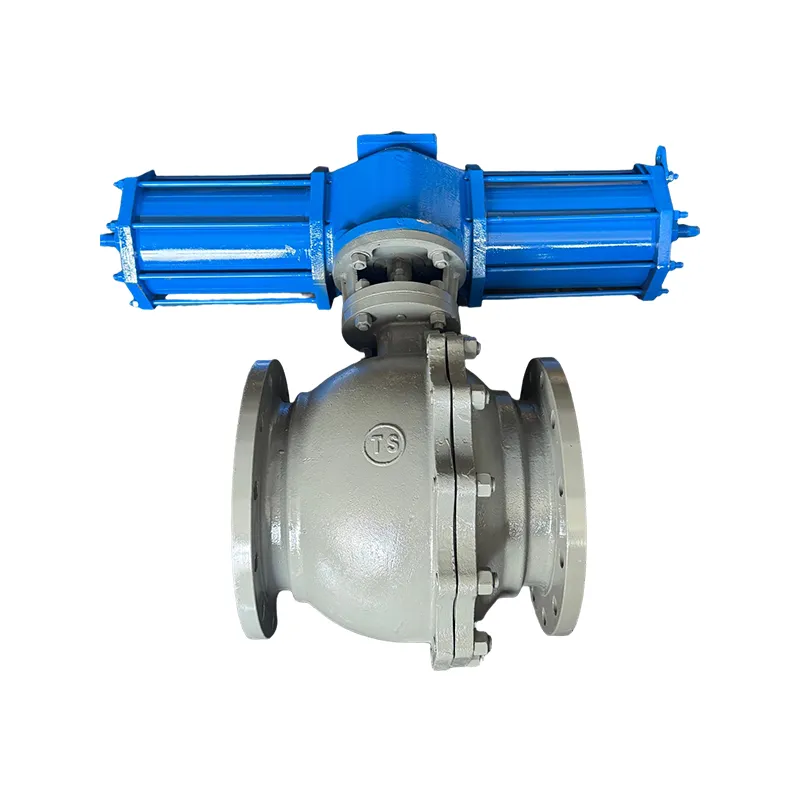
Cast Steel Flanged Ball Valve
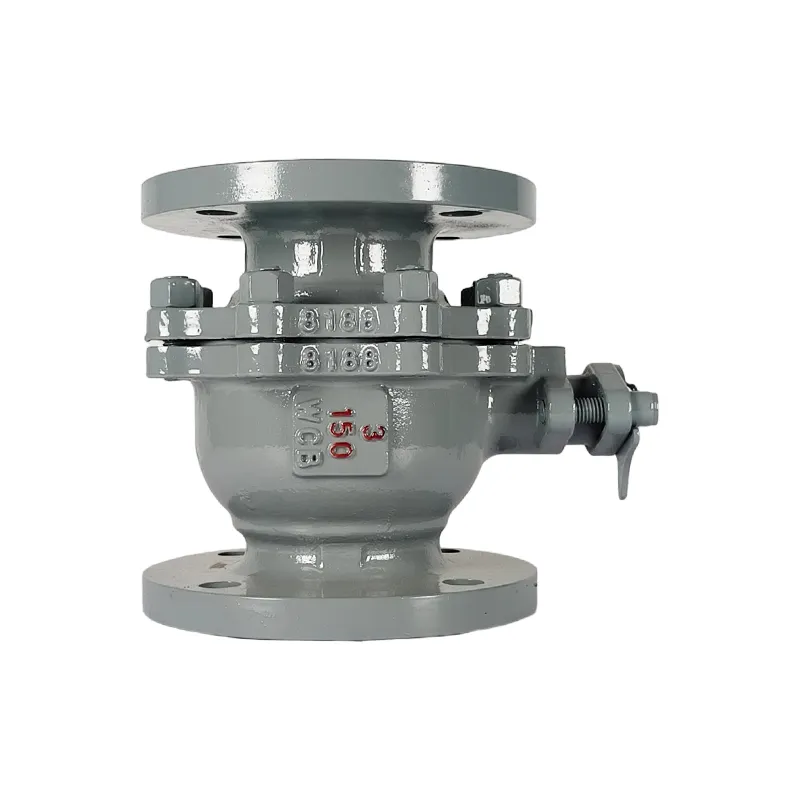
The cast steel flanged ball valve from Xiangzheng features a WCB carbon steel body, performing reliably under high-temperature working conditions. Xiangzheng Valve is a Chinese manufacturer and exporter of ball valves. We follow rigorous production and quality inspection standards, ensuring every valve delivers consistent performance within fluid piping systems. Equipped with advanced technology and production facilities, we provide dependable service to customers worldwide. Feel free to send us an inquiry for direct factory pricing!
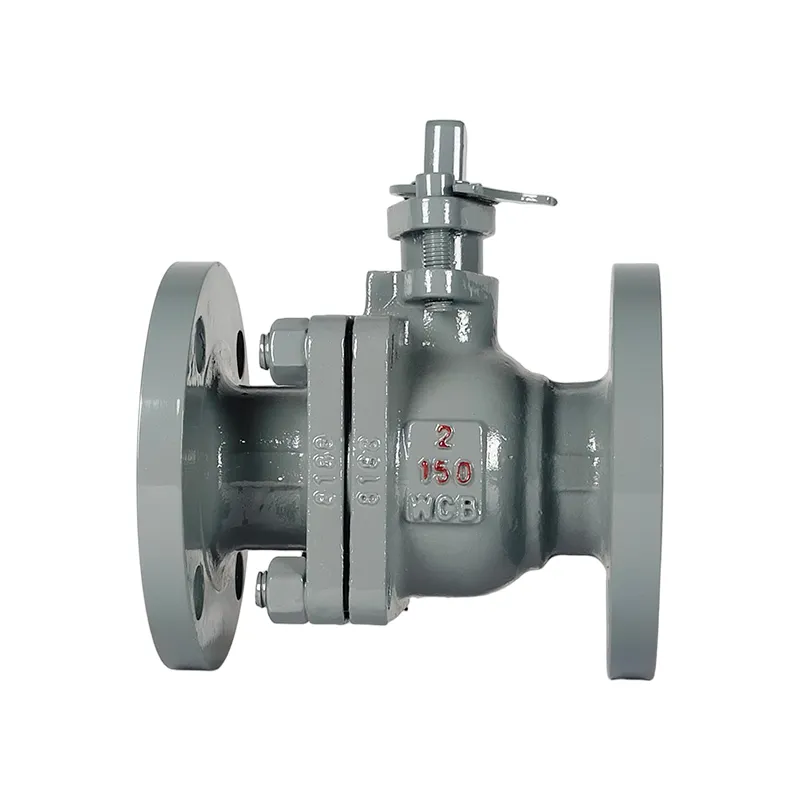
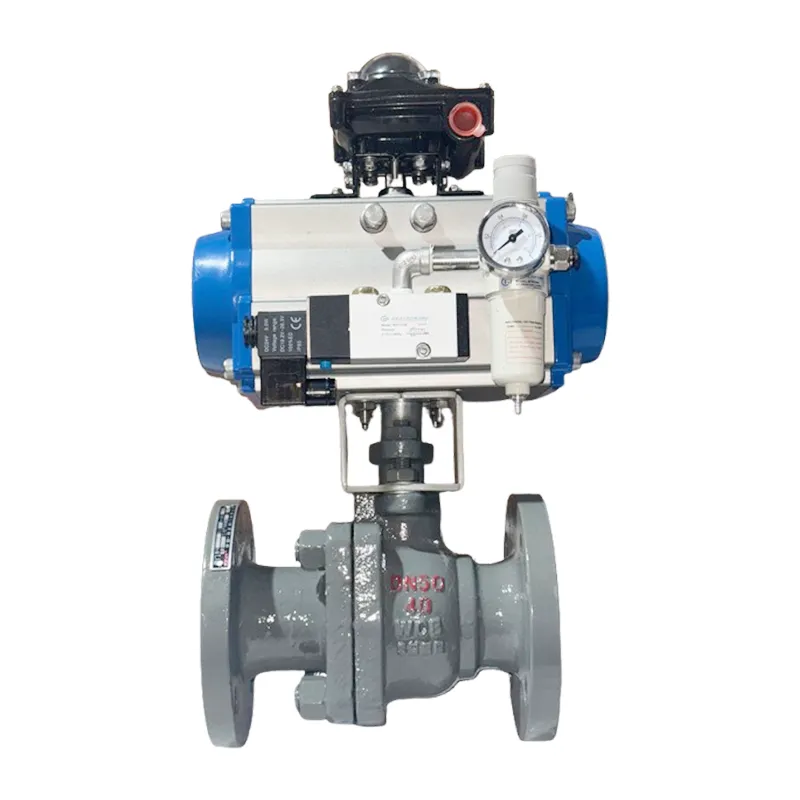
WCB Flanged Ball Valve
Xiangzheng is a direct manufacturer specializing in ball valves. We use precision production equipment and advanced manufacturing techniques, aiming to be the top provider of reliable fluid control solutions. This WCB flanged ball valves is engineered primarily for high-temperature working conditions, with a maximum operating temperature of 425°C. It is simple to operate and compatible with both pneumatic and electric actuators, making it an ideal choice for automated pipeline systems.
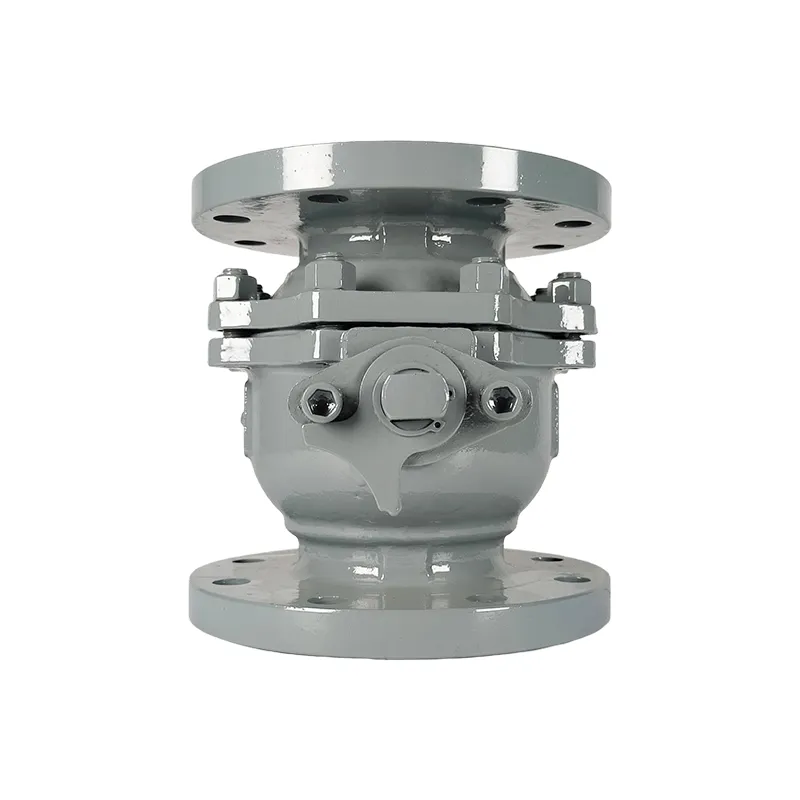
ASME Flanged Floating Ball Valve
Xiangzheng leverage complete industrial supporting facilities and one-stop supply services to deliver efficient production and stable order delivery. With adequate stock support, we ensure short delivery cycles. Featuring excellent tight sealing performance, our ASME Flanged Floating Ball Valve achieve zero leakage in conventional working conditions. Dedicated to providing reliable fluid control solutions, Xiangzheng Valve is your ideal business partner.
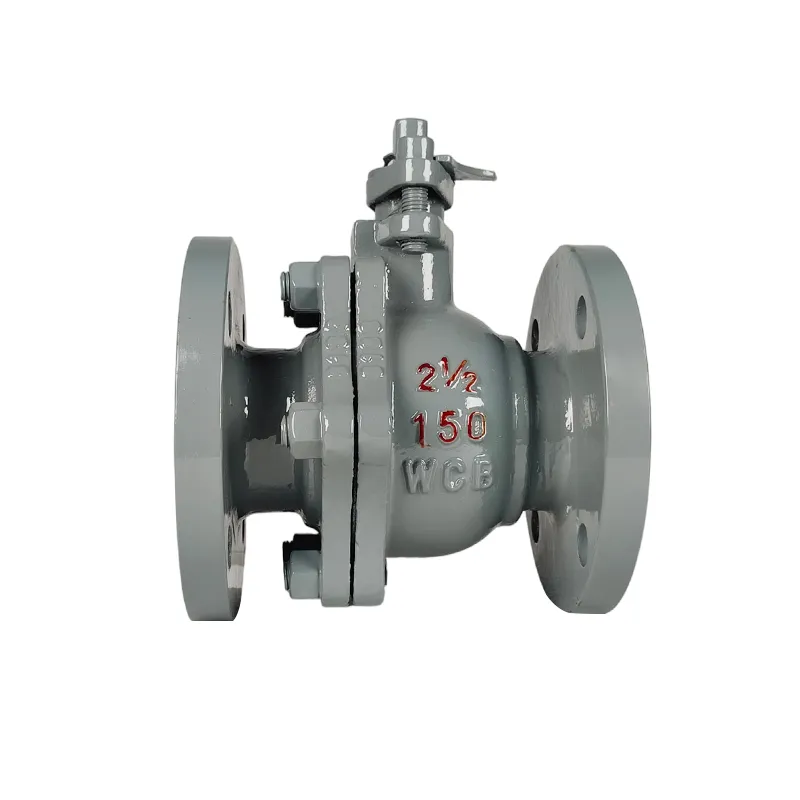
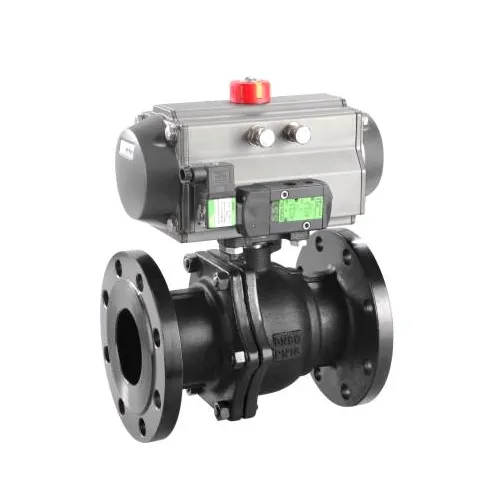
Two-Piece Flanged Ball Valve
As an experienced export-focused valve manufacturer based in China, Xiangzheng Valves supplies premium two-piece flanged ball valves to customers worldwide. It handles common media including water, oil and gas, and is widely used in industrial piping systems across drainage, shipbuilding, chemical processing, HVAC, oil & gas and other sectors. Committed to reliable service and cost-effective solutions, Xiangzheng Valves has become a trusted partner for global industrial clients.
Xiangzheng offers dependable Ball Valves for industrial projects. Contact our team for a quote.
News Recommendations