The global industrial valve sector is undergoing profound transformation in 2026, driven by accelerated industrial automation, booming new energy infrastructure construction, and increasingly stringent global environmental regulations. Long regarded as the core component of industrial fluid control systems, industrial valves are stepping out of traditional mechanical manufacturing boundaries and evolving toward intelligence, low carbon, high precision and extreme condition adaptability. The industry’s market scale and technological iteration speed have reached a new peak, injecting strong momentum into the upgrading of global process manufacturing.
Latest industry market data shows that the global valve market was valued at USD 93.60 billion in 2026, with a steady compound annual growth rate (CAGR) of 5.80%. It is projected to exceed USD 155.50 billion by 2034, reflecting continuous strong market demand across downstream industries. Unlike the past decade’s competition centered on production capacity and basic product coverage, the 2026 valve industry competition logic has fully shifted to core capabilities including intelligent system integration, extreme working condition adaptation and low-emission environmental protection technology.
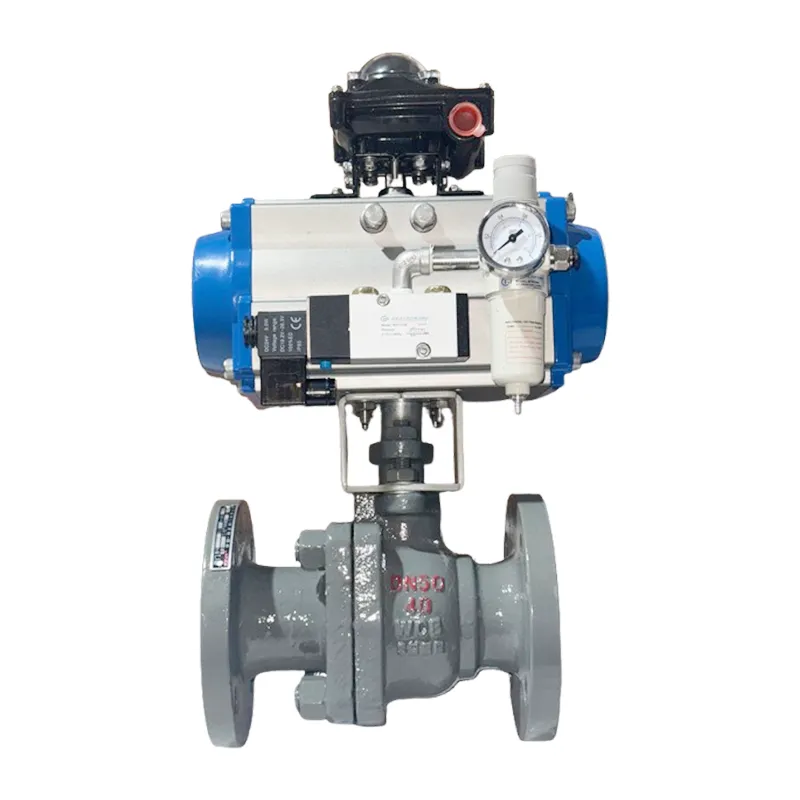
Industrial automation and smart manufacturing remain the core driving forces for industry growth. Statistics indicate that the global adoption rate of industrial automation has increased by 34% year-on-year, while smart manufacturing penetration has risen by 29%. Traditional manual-controlled ordinary valves can no longer meet the precise operation needs of modern factories. Smart valves equipped with IoT sensors, wireless actuators and remote monitoring modules have become mainstream products in the high-end market. These intelligent products support real-time fluid data monitoring, automatic flow regulation and remote fault diagnosis, and enable predictive maintenance for industrial pipeline systems.
The popularity of predictive maintenance technology has grown by 31% in the industrial valve field this year, effectively solving the pain points of high maintenance costs and unplanned shutdown risks in traditional industrial pipeline operation. Smart monitoring and wireless drive technology have achieved 27% and 24% market growth respectively, gradually replacing traditional mechanical control structures. At present, intelligent actuated valves have occupied nearly 12% of the global market share, and their penetration rate in high-end fields such as petrochemicals, power generation and precision pharmaceuticals is still rising rapidly.
Green and low-carbon transformation has become an irreversible core trend of the valve industry in 2026. As global carbon neutrality policies continue to advance and industrial emission standards become stricter, low-emission and leakage-proof valve technologies have become the key competition track for leading manufacturers. Many mainstream enterprises are actively promoting metal hard-seated valves and ultra-low emission valve solutions for severe service conditions, which can effectively reduce medium leakage and carbon emissions in industrial fluid transmission.
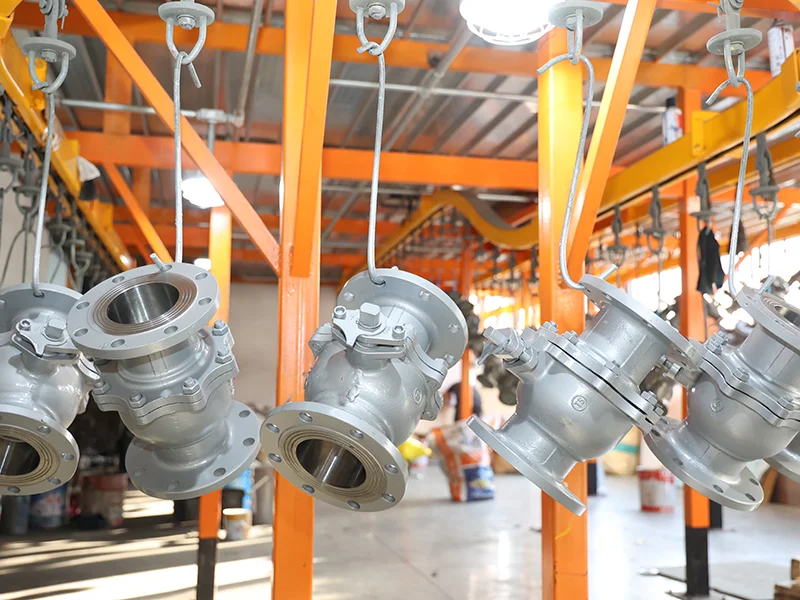
In terms of manufacturing technology upgrading, the industry is comprehensively promoting iterative upgrades of precision casting processes. Traditional sand casting is gradually replaced by composite processes such as resin sand molding, 3D printing molds and AI closed-loop smelting parameter control. The new process accurately controls the valve body wall thickness tolerance within ±0.8mm, while reducing the product’s full-life cycle carbon footprint by more than 18%, achieving dual breakthroughs in product precision and green manufacturing.
New energy infrastructure construction has opened up a new incremental market for the valve industry. The rapid development of green hydrogen energy, LNG clean energy storage and transportation, and new power systems has put forward higher requirements for valve performance. High-pressure hydrogen supply valves, low-temperature anti-leakage LNG valves and ultra-clean semiconductor process valves have become hot research and development directions in the industry. Industry research institutions predict that with the large-scale commercialization of green hydrogen energy in the next five years, supporting high-precision special valves will usher in explosive market growth.
From the perspective of global market pattern, the Asia-Pacific region still maintains its leading position, occupying 39% of the global valve market share, benefiting from the intensive construction of industrial infrastructure, water treatment projects and new energy projects in China, Southeast Asia and other regions. North America and Europe follow closely with 28% market share respectively, focusing on high-end intelligent valves and low-emission environmental protection valve market demand. However, the industry still faces certain challenges: global supply chain fluctuations have caused supply disruptions for 21% of manufacturers, and rising raw material costs have increased the overall production cost of the industry by 18%, putting pressure on small and medium-sized valve enterprises.
Industry analysts said that the future competition of the valve industry will no longer be single-product competition, but systematic competition integrating technology research and development, customized solutions and full-life cycle services. Leading enterprises are accelerating technological research and development in extreme working condition resistance, intelligent control and green environmental protection, continuously optimizing product performance to adapt to the upgrading needs of downstream high-end industries such as nuclear power, new energy and fine chemical industry.
With the continuous deepening of global industrial upgrading and energy transformation, the industrial valve industry will continue to maintain steady growth. Driven by dual innovation of intelligence and greening, high-end, refined and specialized valve products will further replace traditional ordinary products, leading the global fluid control industry to a more efficient, low-carbon and intelligent new development stage.