English
- English
- Español
- Português
- русский
- Français
- 日本語
- Deutsch
- tiếng Việt
- Italiano
- Nederlands
- ภาษาไทย
- Polski
- 한국어
- Svenska
- magyar
- Malay
- বাংলা ভাষার
- Dansk
- Suomi
- हिन्दी
- Pilipino
- Türkçe
- Gaeilge
- العربية
- Indonesia
- Norsk
- تمل
- český
- ελληνικά
- український
- Javanese
- فارسی
- தமிழ்
- తెలుగు
- नेपाली
- Burmese
- български
- ລາວ
- Latine
- Қазақша
- Euskal
- Azərbaycan
- Slovenský jazyk
- Македонски
- Lietuvos
- Eesti Keel
- Română
- Slovenski
- मराठी
- Srpski језик
Premium Globe Valves Factory Direct
Overview of Globe Valve
A Globe Valve is a linear motion valve designed to stop, start, and regulate fluid flow in a pipeline. The name comes from the spherical body shape, which is divided into two halves by an internal baffle. The baffle forms a seat opening through which fluid passes when the valve is open. A movable disc or plug, attached to a stem, is lowered or raised to control the flow area and the rate of fluid passing through the valve. This design creates a change in flow direction, which increases resistance and provides excellent throttling performance. Xiangzheng produces globe valve that meet strict industrial standards, offering reliable performance in demanding environments.
Globe valves are commonly selected for applications requiring frequent operation and precise control of flow rate, pressure, or temperature. They can handle liquids, gases, steam, and slurries within their material and pressure limits. Compared to other valve types, globe valves provide tighter shutoff, better regulation, and easier maintenance because the disc and seat can be accessed by removing the bonnet. Xiangzheng valves are engineered for long service life, low fugitive emissions, and consistent performance across a wide range of operating conditions.
Key Components of a Globe Valve
A globe valve consists of several critical components that work together to control flow. Understanding these parts helps in selecting the right valve for each application and planning maintenance schedules.
- Body: The main pressure-retaining shell, typically cast or forged, with end connections such as flanged, threaded, socket weld, or butt weld.
- Bonnet: The cover that encloses the stem and disc assembly. It can be bolted, welded, or pressure-sealed depending on pressure class and temperature requirements.
- Disc or Plug: The movable element that contacts the seat to shut off or regulate flow. Disc shapes include flat, tapered, ball, and needle types.
- Seat: The stationary sealing surface, which may be integral to the body or renewable. Seat materials are chosen based on fluid compatibility and temperature.
- Stem: Connects the actuator or handwheel to the disc. The stem may have a rising or non-rising design, with threads either inside or outside the pressure boundary.
- Packing or Gland Seal: Provides a seal around the stem to prevent leakage to atmosphere. Live-loaded packing is available for fugitive emission control.
- Actuator or Handwheel: Provides operating torque. Manual handwheels are common for smaller sizes, while gearboxes, electric actuators, pneumatic actuators, and hydraulic actuators are used for larger or automated applications.
Types of Valves
Straight Pattern Globe Valve
The straight pattern, also called T-pattern or Z-pattern, is the most common design. The inlet and outlet ports are aligned on the same axis, but the internal passage creates an S-shaped flow path. This pattern provides good throttling and relatively compact face-to-face dimensions. It is used in general piping systems where pressure drop is not a major concern.
Angle Pattern Globe Valve
In the angle pattern, the inlet and outlet ports are perpendicular to each other. The fluid makes a single 90-degree turn, which reduces the number of fittings and pressure loss compared to a straight pattern with an elbow. Angle globe valve is often used in boiler blowdown, steam distribution, and applications with pulsating flow or where space is limited.
Y-Pattern Globe Valve
The Y-pattern design arranges the stem and seat at approximately 45 degrees to the flow path, creating a nearly straight-through flow when the valve is open. This lowers pressure drop and reduces turbulence, making Y-pattern globe valve suitable for high-pressure steam, hydrocarbon processing, and applications requiring low flow resistance. They are also easier to inspect without removing the valve from the pipeline.
Applications
Because of their throttling ability and robust construction, globe valves are used in a wide variety of industries. Typical applications include:
- Oil and Gas: Flow control in crude oil lines, natural gas distribution, wellhead manifolds, and fuel gas systems.
- Petrochemical and Chemical: Reactor feed lines, catalyst handling, solvent transfer, and corrosive chemical dosing.
- Power Generation: Boiler feedwater control, steam turbine bypass, condensate systems, and cooling water lines.
- Water and Wastewater: Pump discharge control, filtration systems, backwash lines, and pressure regulation.
- HVAC and Building Services: Chilled water, hot water, steam heating, and temperature control loops.
- Marine and Offshore: Ballast systems, seawater cooling, firewater lines, and fuel transfer.
- Pharmaceutical and Food: Clean-in-place systems, ingredient transfer, and sanitary processing with polished stainless steel bodies.
Installation and Maintenance Tips
Proper installation and routine maintenance extend the service life of a globe valve and ensure safe operation. Follow these guidelines when installing Xiangzheng globe valve:
- Install with correct flow direction: Most globe valves are designed for flow under the disc when used for throttling or shutoff. Check the arrow on the body or the flow direction marking in the technical datasheet. Installing the valve in the wrong direction can cause vibration, erosion, and seat leakage.
- Provide adequate clearance: Rising-stem globe valve requires vertical space for the stem to travel. Allow enough room for operation and future packing adjustment.
- Support piping properly: Avoid using the valve body as a pipe support. External loads from misaligned pipes can distort the body and cause seat leakage.
- Flush the line before installation: Remove weld slag, scale, and debris from the pipeline. Foreign particles can damage the seat and disc sealing surfaces.
- Use correct gaskets and fasteners: Match gasket material to the fluid and temperature. Tighten flange bolts in a star pattern to avoid uneven loading.
- Cycle the valve periodically: For valves in continuous service, open and close the valve fully once every three to six months to prevent the disc from sticking on the seat due to scale or corrosion.
- Inspect packing regularly: Tighten the gland follower if minor stem leakage occurs. Do not overtighten, as this increases operating torque and can damage the stem. Replace packing during scheduled shutdowns.
- Lubricate stem threads: For manual valves, apply a compatible lubricant to the stem threads and yoke bushing to reduce wear and make operation easier.
Frequently Asked Questions
Q: What is a globe valve used for?
A: A globe valve is used to regulate, start, and stop the flow of fluids in a pipeline. Because of its linear motion design and throttling capability, it is particularly suitable for applications that require frequent operation and precise flow control. Common uses include steam lines, cooling water systems, fuel oil systems, chemical feed lines, boiler blowdown, and high-pressure gas service.
Q: How does a globe valve work?
A: A globe valve works by moving a disc or plug linearly against a stationary seat. When the handwheel or actuator turns the stem, the disc moves up or down, changing the size of the flow opening between the disc and seat. This throttling action creates a pressure drop and controls the flow rate. Closing the valve fully brings the disc into contact with the seat, creating a tight seal. The flow path inside a globe valve changes direction, which gives it better control characteristics than gate or ball valves.
Q: What pressure ratings are available?
A: Xiangzheng supplies globe valve in pressure classes from Class 150 to Class 2500 according to ASME B16.34. Standard production covers Class 150, 300, 600, 900, 1500, and 2500. Higher intermediate ratings or Class 4500 valves can be supplied on request for specific applications. The pressure rating of a globe valve depends on the body material and operating temperature. Engineering datasheets with pressure-temperature ratings are available for every order.
Q: How do I select the correct globe valve for my application?
A: To select the correct globe valve, you should identify the fluid type, operating pressure, temperature, flow rate, required leakage class, and end connection type. Then choose a body material and trim material compatible with the fluid and temperature range. Determine whether manual or automated operation is needed and whether the valve will be used for isolation, throttling, or both. Xiangzheng engineers can assist with sizing and selection using your process data to ensure the valve meets performance and safety requirements.
- View as
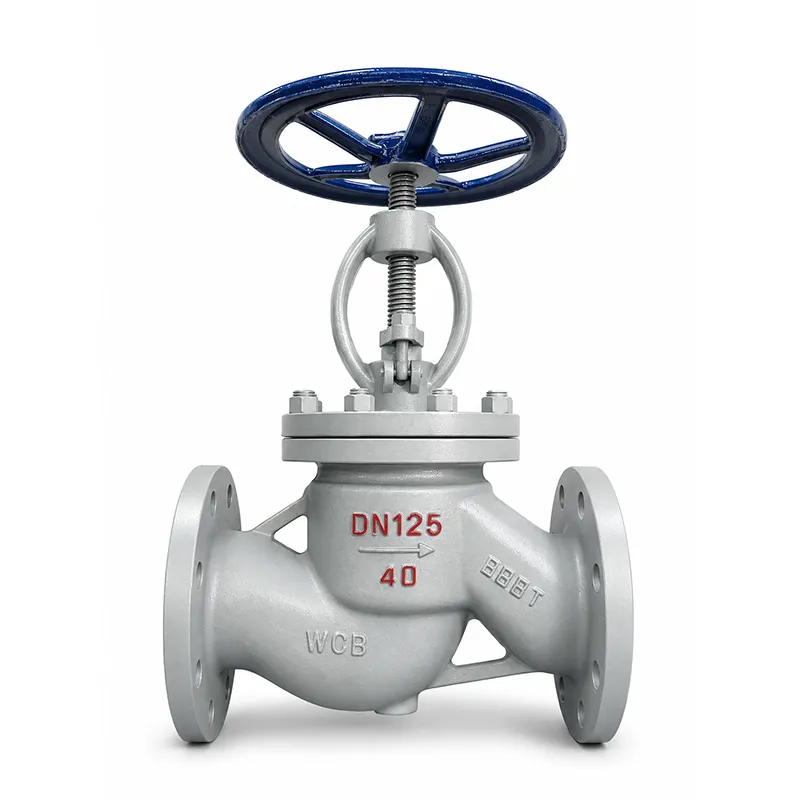
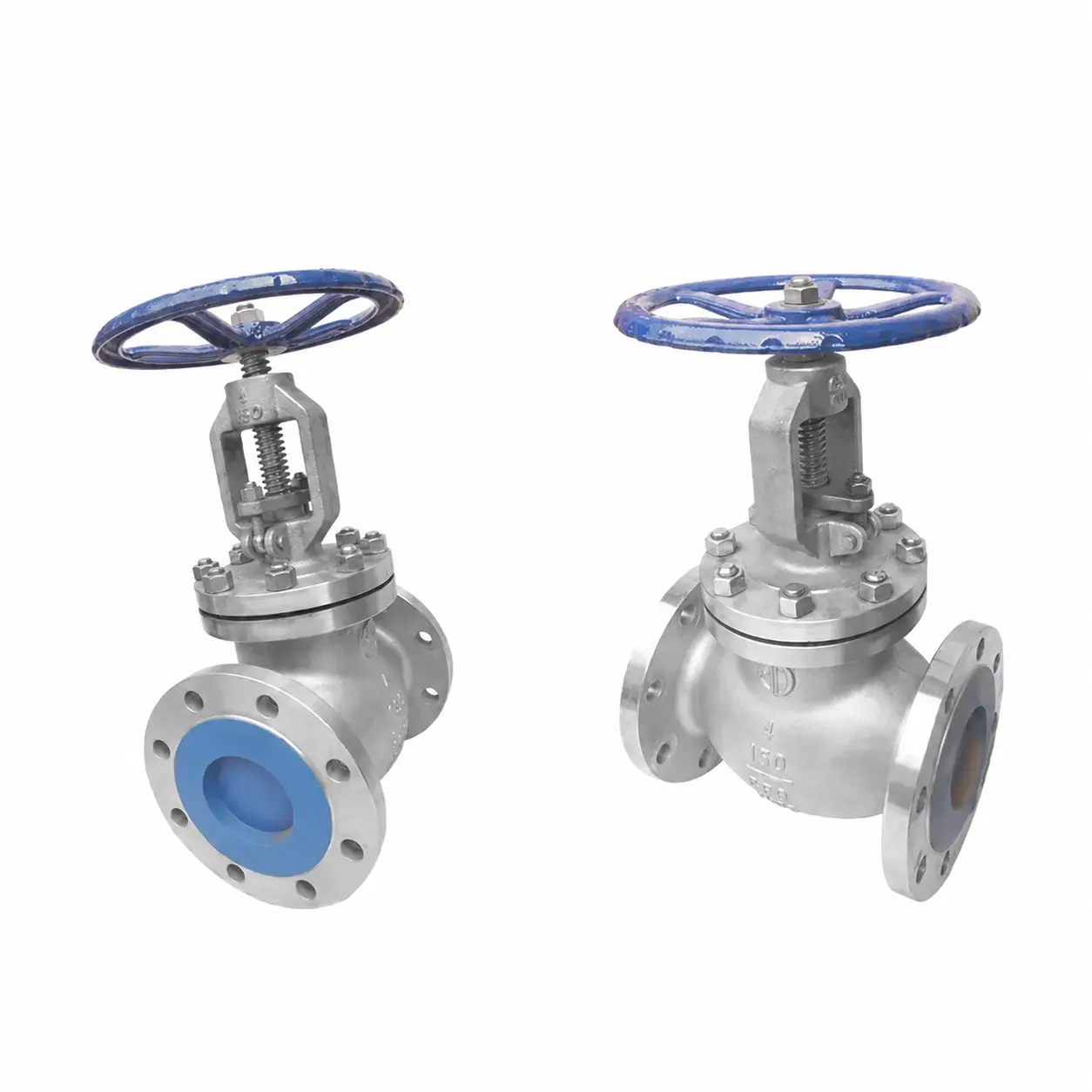
WCB ASTM A216 Flanged Globe Valve
Xiangzheng is a professional China manufacturer and supplier of WCB ASTM A216 Flanged Globe Valve with advanced production equipment and strict quality control in our own factory. Our valve is designed for reliable flow regulation, strong sealing performance and long service life in oil, gas, steam and industrial pipeline systems. Contact us today to get factory prices, samples and a fast quotation.
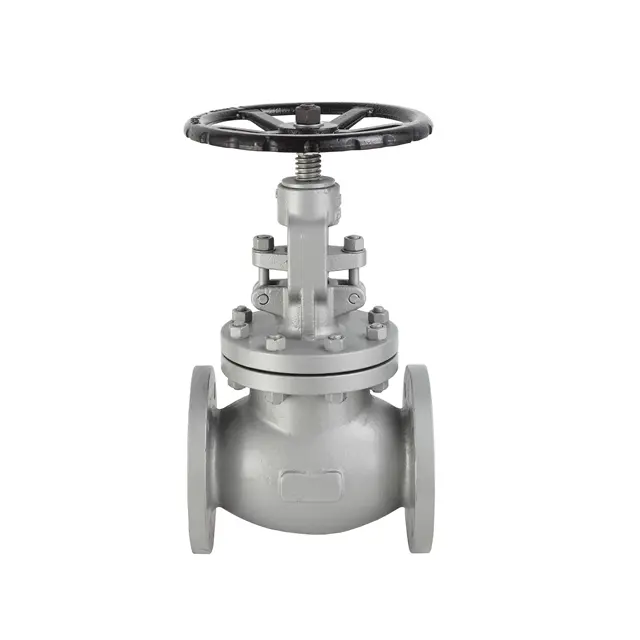
Class 150 Carbon Steel Flanged Globe Valve
Xiangzheng supplies Class 150 Carbon Steel Flanged Globe Valve products for refinery, steam and industrial pipeline buyers who need standard-matched valves, clear drawings and factory price support. As a China manufacturer and supplier, our factory focuses on stable sealing, accurate flow control and practical project documentation. Send your size, class and medium to get a quick quotation, sample support or technical proposal.
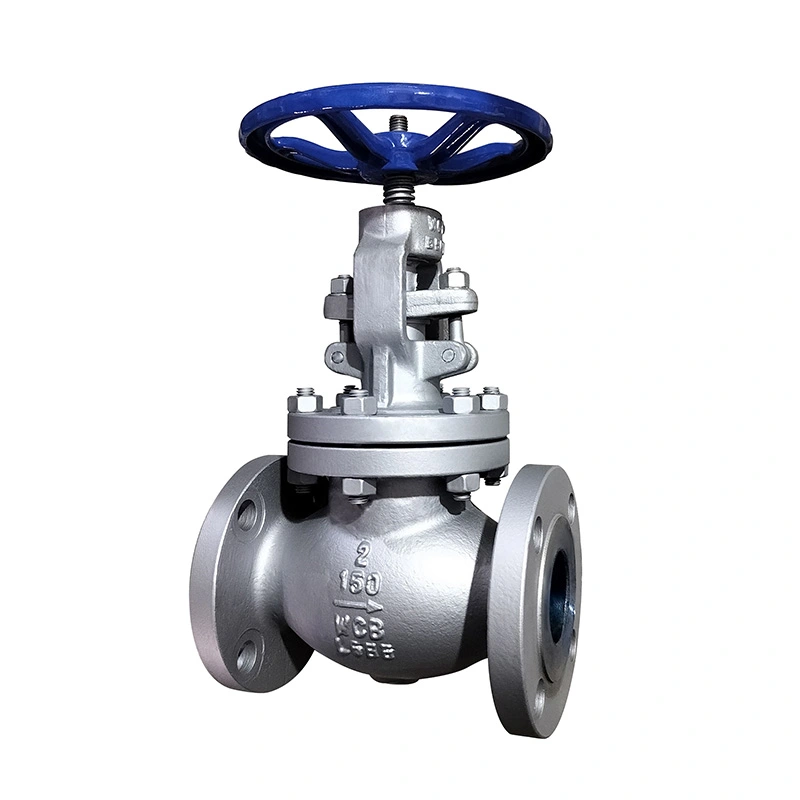
Cast Steel ASME B16.34 Flanged Globe Valve
Xiangzheng is a professional China manufacturer and supplier of Cast Steel ASME B16.34 Flanged Globe Valve, providing reliable industrial valve solutions for distributors, contractors and engineering projects. Our cast steel valves are produced with controlled manufacturing processes, accurate dimensions and complete inspection procedures. Designed for industrial pipelines requiring safe shut-off and stable operation, we support factory price quotation to customer requirements.
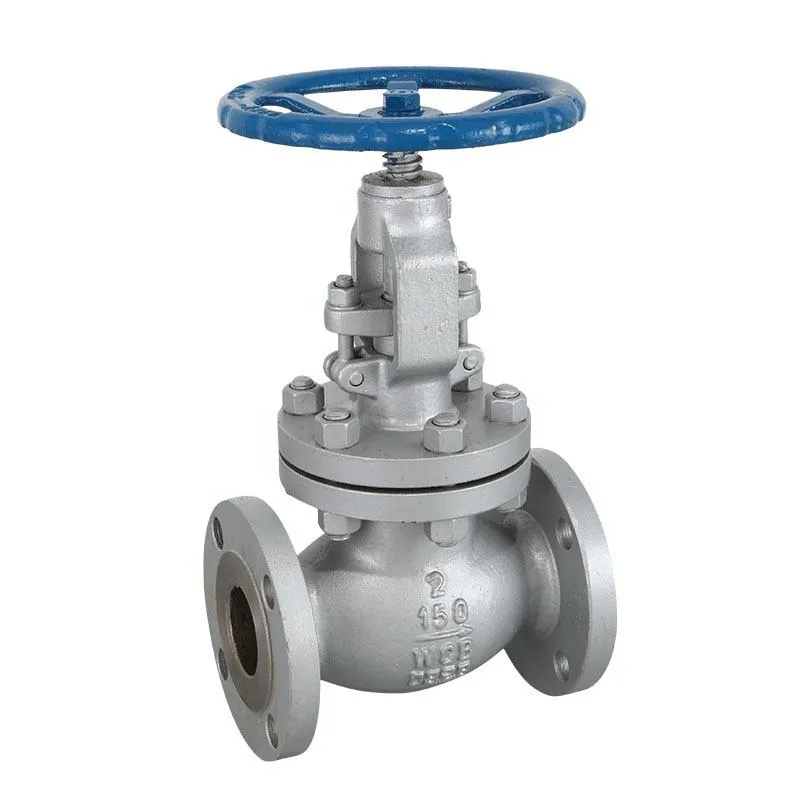
ANSI CS Flanged Globe Valve
Xiangzheng ANSI CS Flanged Globe Valve solutions for industrial distributors, maintenance suppliers and pipeline operators worldwide. As a China manufacturer and supplier, we focus on stable supply, practical product selection and competitive factory pricing. Our carbon steel globe valves are suitable for replacement projects, inventory management and industrial applications where customers need reliable products with clear technical support and efficient ordering.
Carbon Steel Globe Valve Class 150LB
As a trusted China manufacturer and supplier, Xiangzheng Carbon Steel Globe Valve Class 150LB provides industrial valve solutions for oil, gas, power and process industries. Our factory focuses on API-based manufacturing requirements, product consistency and customer service experience. Request a quotation today and get free samples directly from our certified China factory.
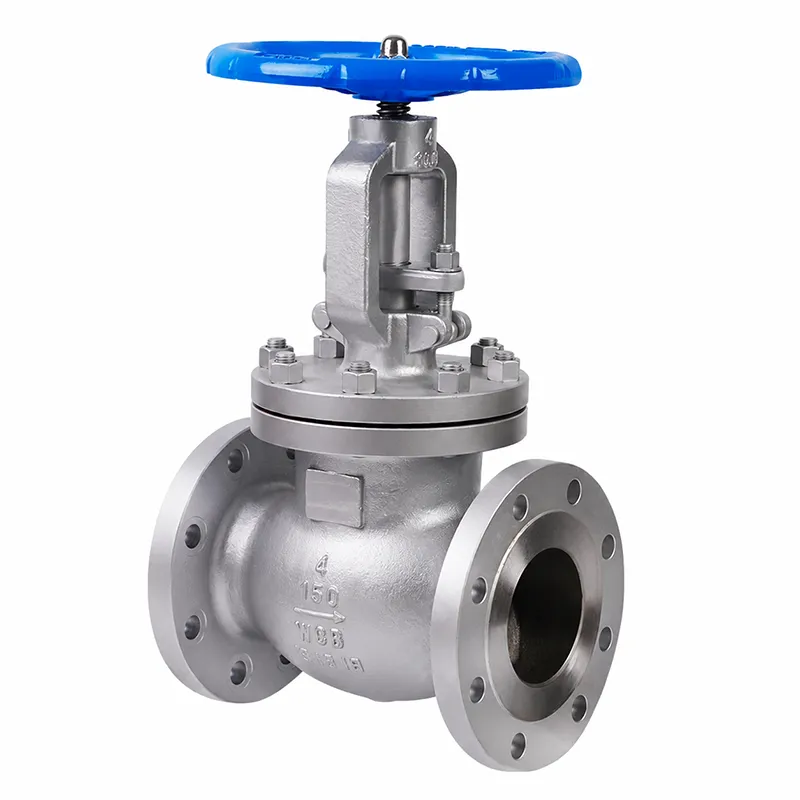
ASME Standard Carbon Steel Globe Valve
Xiangzheng provides ASME Standard Carbon Steel Globe Valve solutions for industrial pipeline applications. The valve is designed for reliable shut-off and controlled flow operation, combining carbon steel strength, standardized design and factory-controlled manufacturing. We supports distributors, contractors and industrial users with product selection, technical communication, inspection support and factory price quotation.
Xiangzheng offers dependable Globe Valves for industrial projects. Contact our team for a quote.
News Recommendations