English
- English
- Español
- Português
- русский
- Français
- 日本語
- Deutsch
- tiếng Việt
- Italiano
- Nederlands
- ภาษาไทย
- Polski
- 한국어
- Svenska
- magyar
- Malay
- বাংলা ভাষার
- Dansk
- Suomi
- हिन्दी
- Pilipino
- Türkçe
- Gaeilge
- العربية
- Indonesia
- Norsk
- تمل
- český
- ελληνικά
- український
- Javanese
- فارسی
- தமிழ்
- తెలుగు
- नेपाली
- Burmese
- български
- ລາວ
- Latine
- Қазақша
- Euskal
- Azərbaycan
- Slovenský jazyk
- Македонски
- Lietuvos
- Eesti Keel
- Română
- Slovenski
- मराठी
- Srpski језик
How Can a Flanged Floating Ball Valve Improve Pipeline Safety, Sealing Performance, and Flow Control
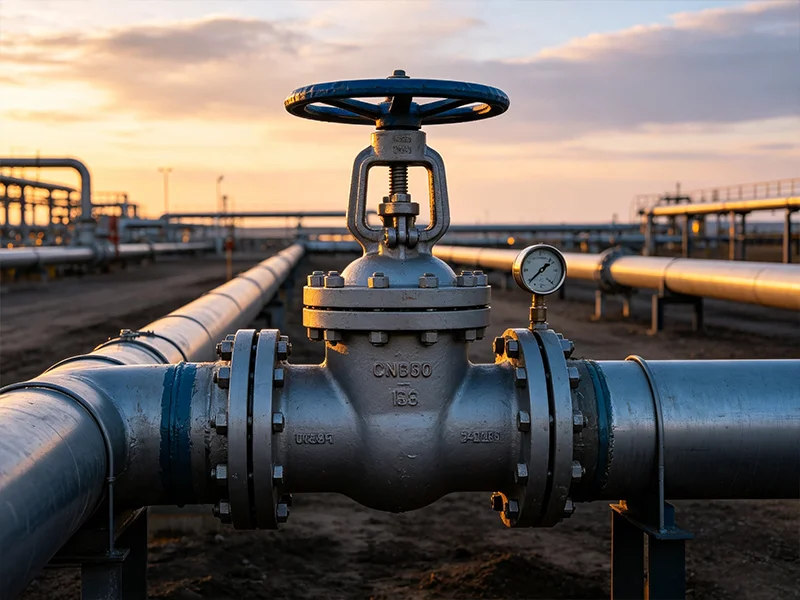
Reliable flow control is essential for maintaining the safety, efficiency, and stability of modern industrial pipeline systems. A high-quality Flanged Floating Ball Valve provides dependable shut-off performance, convenient operation, and flexible installation for various fluid-handling applications. At Xiangzheng, a professional valve manufacturer specializing in research, development, production, and global sales, these valves are designed to deliver reliable fluid control solutions for water treatment, chemical processing, natural gas transportation, HVAC systems, and other industrial applications. Understanding their working principles, technical specifications, and selection criteria helps engineers and procurement professionals choose the right valve for demanding operating conditions.
A flanged floating ball valve is an industrial quarter-turn valve that uses pipeline pressure to push a floating ball against the downstream valve seat, creating a reliable sealing effect. Its reinforced PTFE seats, blowout-proof stem structure, and flanged connections make it suitable for numerous industrial fluid-control applications. This article explains its operating principle, structural advantages, available materials, pressure ratings, applications, installation requirements, and maintenance practices. It also provides practical purchasing guidance for buyers sourcing industrial valves from experienced manufacturers.
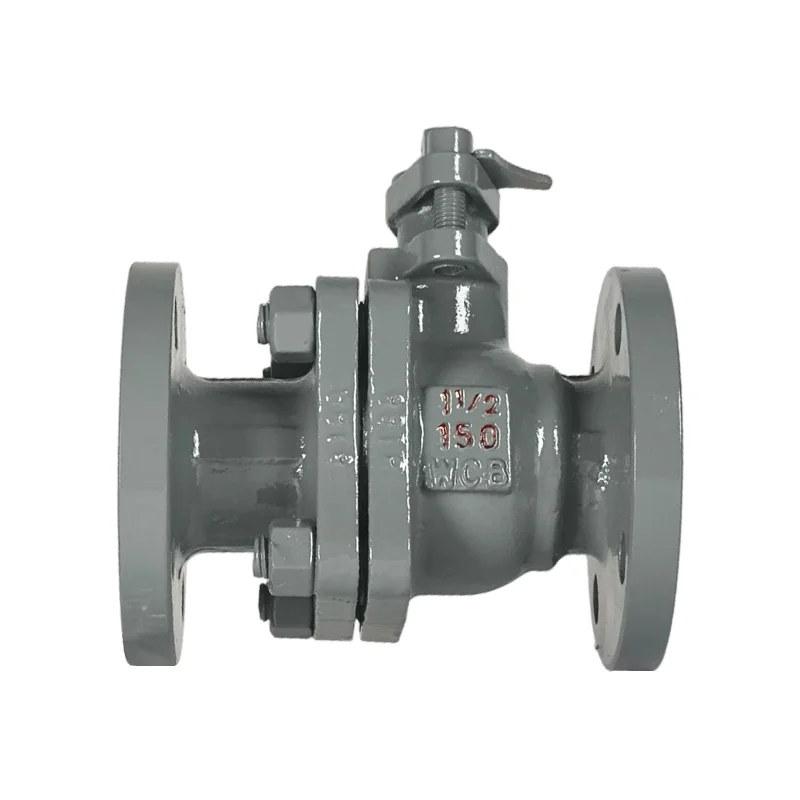
Table of Contents
- What Is a Flanged Floating Ball Valve?
- How Does a Flanged Floating Ball Valve Work?
- What Are Its Main Structural Advantages?
- Materials and Technical Specifications
- Where Are Flanged Floating Ball Valves Used?
- How to Select the Right Valve
- Installation and Maintenance Recommendations
- Manufacturing Quality and Inspection Standards
- Frequently Asked Questions
- Conclusion
1. What Is a Flanged Floating Ball Valve?
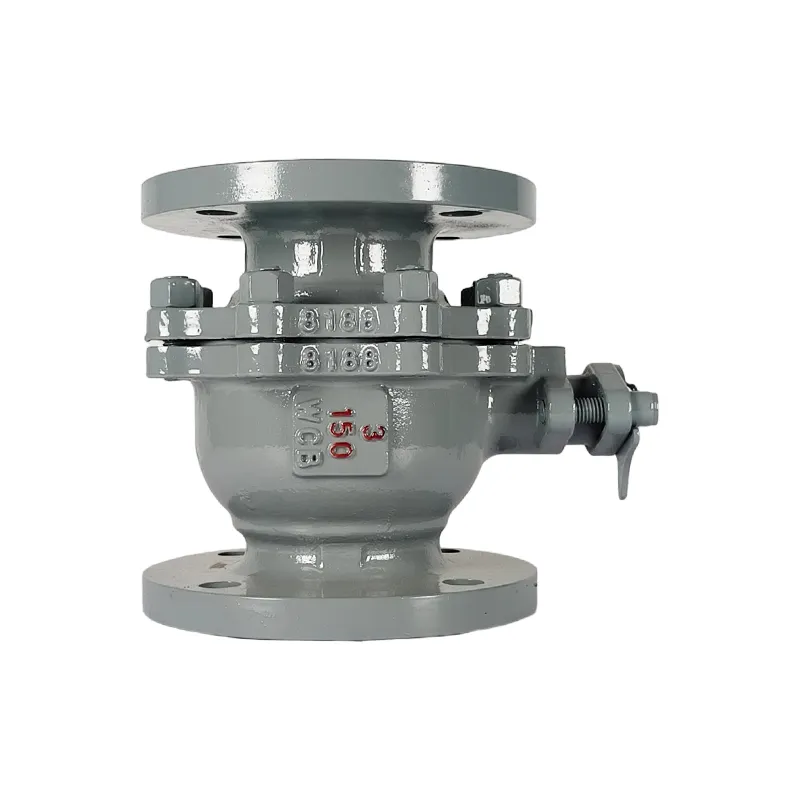
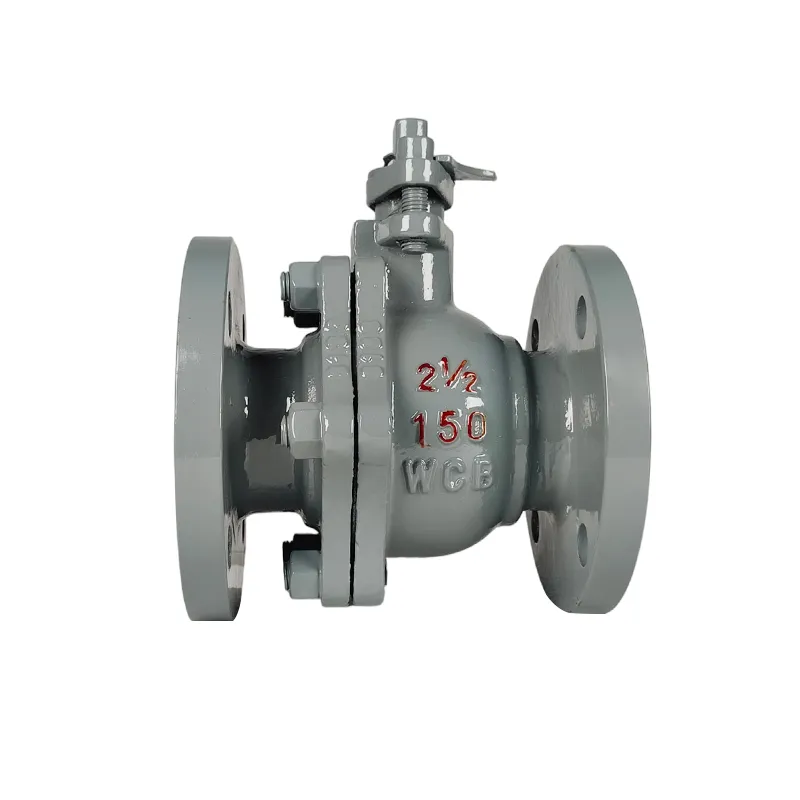
A flanged floating ball valve is a quarter-turn industrial valve designed to control or completely shut off fluid flow through a pipeline. It consists of a valve body, floating ball, valve stem, sealing seats, and flanged end connections. Unlike fixed-ball designs, the floating ball is not mechanically supported by a trunnion at both ends. Instead, it can move slightly along the valve axis under the influence of pipeline pressure.
When the valve closes, upstream pressure pushes the ball toward the downstream seat. The resulting contact pressure compresses the sealing material and creates a tight shut-off. This pressure-assisted mechanism provides effective sealing without requiring a complicated internal operating structure.
The flanged connection is another important characteristic. Bolted flange joints provide a stable mechanical connection between the valve and pipeline, making installation, inspection, and replacement more convenient.
Typical applications include:
- Industrial water supply and distribution systems.
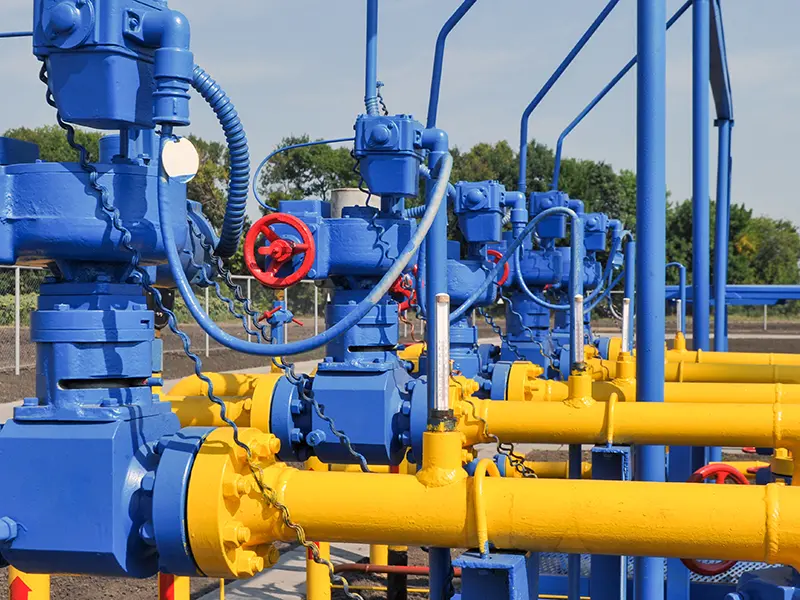
- Oil and gas transportation pipelines.
- Chemical processing and general industrial production.
- Heating, ventilation, and air conditioning systems.
- Water treatment and utility infrastructure.
For engineers looking for a dependable isolation solution, a properly selected Flanged Floating Ball Valve offers a practical combination of sealing performance, operating convenience, and installation flexibility.
2. How Does a Flanged Floating Ball Valve Work?
The operating principle is based on the rotation of a spherical ball containing a through-hole. A handle, gearbox, or actuator drives the valve stem, which rotates the ball by approximately 90 degrees to control the flow path.
Open Position
When the ball opening aligns with the pipeline axis, fluid passes through the valve with minimal obstruction. This full-bore flow arrangement helps reduce unnecessary pressure losses in appropriately designed configurations.
Closed Position
When the ball rotates 90 degrees, its solid surface blocks the pipeline passage. Pipeline pressure then pushes the floating ball against the downstream PTFE seat, creating a tight sealing interface.
Pressure-Assisted Sealing
The sealing mechanism relies on the relationship between pipeline pressure, ball movement, and seat elasticity. Reinforced PTFE seats provide the contact surface required for effective shut-off. The design supports bidirectional shut-off when properly configured and operated within its specified conditions.
The valve stem also incorporates an anti-blowout structure. This design helps prevent the stem from being expelled from the valve body under pressure, improving operational safety.
3. What Are the Main Structural Advantages?
The performance of an industrial valve depends on more than its nominal size or pressure rating. Internal design, sealing materials, connection configuration, and operating mechanism all influence long-term reliability.
3.1 Reliable Sealing Performance
Reinforced PTFE seats provide a resilient sealing interface. They offer good resistance to water, oil, and many commonly encountered chemical media. The pressure-assisted floating ball structure helps achieve bubble-tight shut-off under suitable service conditions.
3.2 Convenient Quarter-Turn Operation
The 90-degree operating mechanism allows the valve to switch between open and closed positions quickly. Compared with multi-turn valve designs, this arrangement simplifies operation and can reduce the time required for routine pipeline isolation.
3.3 Blowout-Proof Stem Design
Stem retention is an important safety consideration in pressurized pipeline systems. The anti-blowout structure helps maintain mechanical integrity and reduce the risk of external leakage caused by stem displacement.
3.4 Convenient Flanged Connections
Flanged ends provide a robust connection with compatible pipeline flanges. Properly selected gaskets, bolts, and installation procedures help establish a reliable joint while making future maintenance more manageable.
3.5 Flexible Operating Configurations
Different pipeline systems require different levels of operating control. Depending on the application, Xiangzheng offers several operating configurations:
- Manual handle operation for straightforward local control.
- Worm gear operation for applications requiring mechanical assistance.
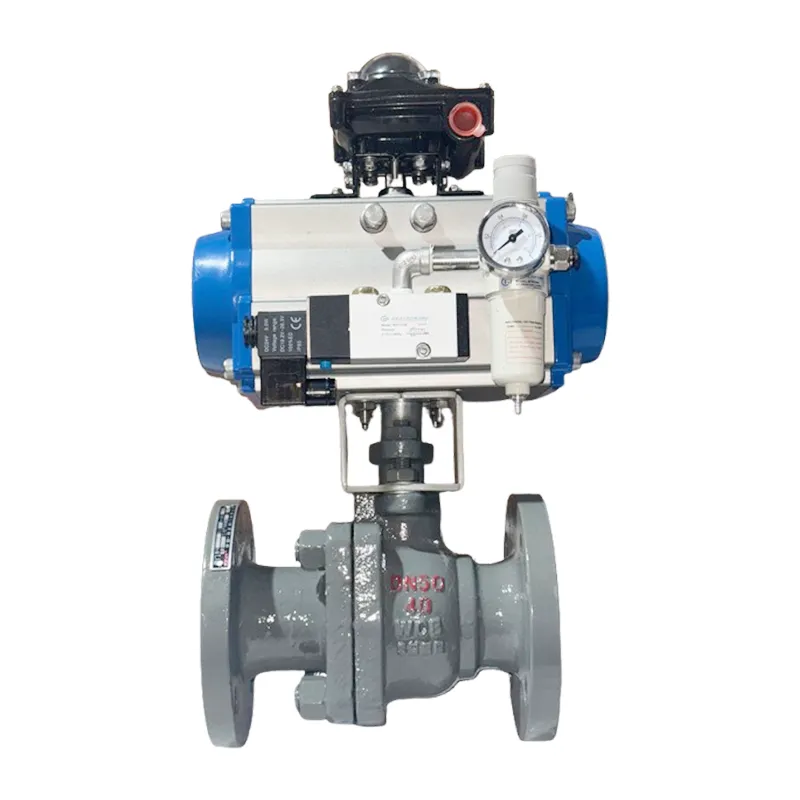
- Pneumatic actuation for automated industrial processes.
- Electric actuation for remote operation and integration with control systems.
4. Materials and Technical Specifications
Material selection directly affects corrosion resistance, mechanical strength, temperature suitability, and service life. Xiangzheng provides different body material options to accommodate various industrial operating environments.
4.1 Available Body Materials
- WCB Carbon Cast Steel: Suitable for many general industrial applications requiring mechanical strength and dependable pressure containment.
- CF8 Stainless Steel 304: Provides corrosion resistance for a wide range of water-based and general industrial services.
- CF8M Stainless Steel 316: Offers enhanced corrosion resistance in selected chemical and industrial environments.
4.2 Main Technical Parameters
| Parameter | Specification |
|---|---|
| Product Name | Flanged Floating Ball Valve |
| Body Materials | WCB, CF8 (304), CF8M (316) |
| Nominal Size | 1/2–40 inches (DN15–DN1000) |
| Working Pressure | PN10–PN420 / Class 150–2500 |
| Connection Type | Flanged |
| Maximum Listed Working Temperature | ≤150°C |
| Seat Material | Reinforced PTFE |
| Suitable Media | Water, oil, gas, and compatible chemical media |
| Operating Methods | Manual, worm gear, pneumatic, electric |
| Design Standards | ASME, DIN, EN, JIS |
| Inspection and Testing | According to API 598 |
| Quality Certifications | ISO 9001, CE, TS, EAC, GOST |
| Brand | Xiangzheng Valve |
Important specification note: The pressure, temperature, and size ranges above represent the manufacturer's listed product specifications. Actual availability and allowable operating conditions should be confirmed for the specific valve configuration, material combination, and applicable standard before ordering.
4.3 Applicable Manufacturing Standards
Standards help ensure dimensional compatibility, manufacturing consistency, and appropriate pressure testing. The product information identifies the following standards:
- GB/T 12237 – Design and manufacture.
- GB/T 12221 – Face-to-face dimensions.
- JB/T 79 – End flange dimensions.
- JB/T 9092 – Pressure testing.
- API 598 – Inspection and testing requirements.
Buyers should verify the required standard and flange specification against their project documentation, particularly when valves are installed in international pipeline systems.
5. Where Are Flanged Floating Ball Valves Used?
The combination of quarter-turn operation, pressure-assisted sealing, and flanged connections makes these valves suitable for many industrial fluid-control systems.
5.1 Water Supply and Water Treatment
Water distribution networks require reliable isolation devices to control different pipeline sections during operation and maintenance. Flanged floating ball valves provide convenient shut-off for compatible water supply and treatment systems.
5.2 Oil and Gas Industry
Oil and gas pipelines require valves capable of maintaining sealing integrity under defined pressure and temperature conditions. Appropriate carbon steel or stainless steel configurations can be selected according to the medium and operating environment.
5.3 Chemical Processing
Chemical facilities handle different liquids and gases with varying corrosive characteristics. Stainless steel bodies and reinforced PTFE seats can provide suitable material combinations for selected chemical services. Compatibility must always be checked against the actual medium concentration and temperature.
5.4 HVAC and Heating Systems
Heating and cooling installations depend on efficient pipeline isolation for system balancing, maintenance, and equipment replacement. Flanged connections are particularly useful in larger industrial piping arrangements.
5.5 General Industrial Production
Manufacturing plants use industrial valves to control process water, oil, compressed gases, and other compatible fluids. Selecting the correct valve size and operating configuration helps maintain stable production operations.
6. How to Select the Right Flanged Floating Ball Valve
Choosing an appropriate valve requires a systematic assessment of operating conditions rather than relying on nominal diameter alone. The following factors can help procurement teams and engineering professionals make informed decisions.
6.1 Identify the Pipeline Medium
Determine whether the valve will handle water, oil, natural gas, or chemical media. Consider corrosion potential, viscosity, cleanliness, and compatibility with the body and seat materials.
6.2 Confirm Pressure and Temperature
Check the maximum operating pressure, normal operating pressure, temperature fluctuations, and potential pressure surges. Ensure that the selected valve is rated for the actual service conditions.
6.3 Match Nominal Diameter and Flange Dimensions
Verify DN or NPS size, flange pressure class, drilling pattern, facing type, and face-to-face dimensions. These details are essential for avoiding installation problems and ensuring pipeline compatibility.
6.4 Choose the Appropriate Operating Method
Manual operation may be sufficient for occasional isolation. Worm gear, pneumatic, or electric actuation may be more appropriate when the valve is large, frequently operated, or integrated into an automated control system.
6.5 Evaluate Manufacturer Capabilities
Before placing an order, buyers should assess the supplier's technical expertise, production consistency, quality documentation, and after-sales support.
A practical purchasing checklist includes:
- Confirmed valve size and pressure rating.
- Suitable body and seat materials.
- Compatible flange dimensions and standards.
- Required actuator and control accessories.
- Inspection records and applicable certificates.
- Delivery schedule, packaging, and export documentation.
7. Installation and Maintenance Recommendations
Correct installation and routine maintenance are essential for preserving valve performance and extending service life.
7.1 Installation Guidelines
- Inspect the valve body, flange faces, and sealing surfaces before installation.
- Clean the pipeline thoroughly to remove welding slag, dirt, and other debris.
- Check flange alignment before tightening the connecting bolts.
- Use suitable gaskets and fasteners according to the applicable flange standard.
- Follow the manufacturer's installation instructions and verify that the valve operates smoothly.
- Conduct appropriate pressure and leakage tests before putting the pipeline into service.
The manufacturer indicates that the valve supports bidirectional installation. Nevertheless, project-specific flow requirements and installation instructions should always be followed.
7.2 Routine Maintenance
Although ball valves generally require relatively limited maintenance, regular inspection helps identify potential problems before they affect system operation.
- Periodically inspect the valve body and flange joints for external leakage.
- Check the stem area and operating mechanism for abnormal wear or resistance.
- Operate valves that remain idle for extended periods according to the maintenance schedule.
- Investigate minor leakage and inspect the sealing surfaces when necessary.
- Keep operating records for critical pipeline equipment.
Safety warning: Never disassemble or remove a valve while the pipeline is pressurized. Isolate the system, release pressure, and follow the required safety procedures before performing internal maintenance. This valve is not recommended for media containing abundant solid particles that may damage the sealing surfaces.
8. Manufacturing Quality and Inspection Standards
For industrial valve procurement, product quality is closely connected to manufacturing control, material traceability, dimensional accuracy, and pressure testing. A reliable supplier should be able to provide technical information that allows customers to evaluate whether a valve meets their project requirements.
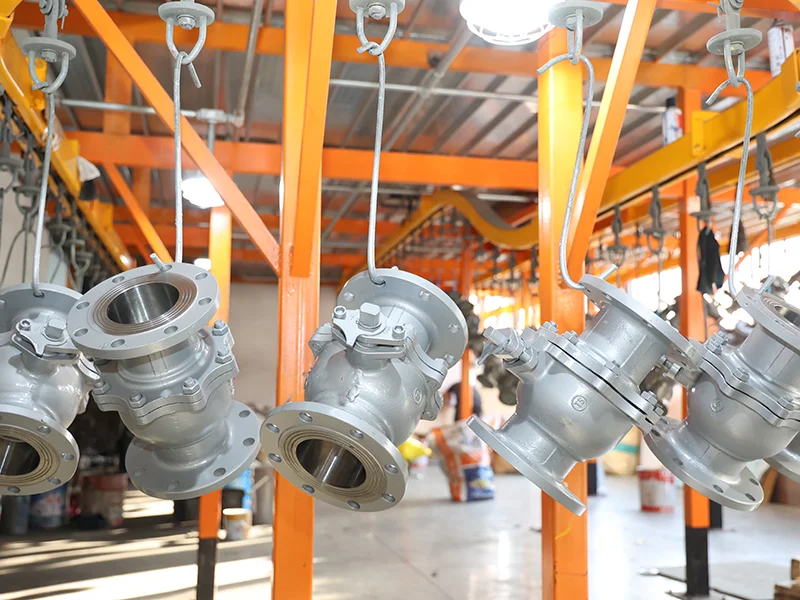
Xiangzheng is a source factory specializing in valve research and development, production, manufacturing, and global sales. Its product portfolio includes ball valves, gate valves, globe valves, check valves, butterfly valves, Y strainers, and steam traps.
For its flanged floating ball valve range, the manufacturer identifies several important quality and manufacturing considerations:
- Material selection: Different body materials are available to address varying corrosion and mechanical requirements.
- Dimensional control: Manufacturing follows the specified dimensional and design standards.
- Pressure testing: Inspection and testing are conducted according to the manufacturer's stated applicable requirements.
- Quality management: The company identifies ISO 9001 and other listed product-related certifications.
- Product customization: Different operating configurations can be considered according to project requirements.
When evaluating a valve supplier, buyers should request relevant inspection reports, material certificates, dimensional drawings, and certification documents for the exact product configuration. These records provide stronger evidence of product suitability than general marketing descriptions alone.
For additional product information, buyers can explore the Xiangzheng Valve official website and its range of industrial valve solutions.
9. Frequently Asked Questions (FAQ)
Q1: What is the main function of a flanged floating ball valve?
A: Its primary function is to control or shut off fluid flow in a pipeline. The floating ball rotates 90 degrees to open or close the flow passage. Pipeline pressure helps push the ball against the downstream seat, creating an effective sealing interface.
Q2: What materials are available for Xiangzheng flanged floating ball valves?
A: The listed body material options include WCB carbon cast steel, CF8 stainless steel 304, and CF8M stainless steel 316. Reinforced PTFE seats are used for sealing. The appropriate material combination depends on the medium, pressure, temperature, and corrosion requirements.
Q3: What pressure ratings can these ball valves support?
A: The manufacturer's listed pressure range is PN10–PN420 or Class 150–2500. However, the applicable rating depends on the specific size, material, design, and configuration. Buyers should confirm the detailed pressure-temperature rating before purchasing.
Q4: Can a flanged floating ball valve be used for gas pipelines?
A: Yes. Properly specified configurations can be used in compatible gas pipeline applications. The valve body material, seat material, pressure rating, sealing requirements, and applicable gas-service regulations must be evaluated before installation.
Q5: Can these valves be equipped with pneumatic or electric actuators?
A: Yes. Xiangzheng lists manual, worm gear, pneumatic actuator, and electric actuator operating configurations. The selection depends on valve size, operating torque, automation requirements, and control-system compatibility.
Q6: What is the operating temperature range?
A: The manufacturer's listed maximum working temperature is 150°C. The actual allowable temperature depends on the selected materials, sealing components, pressure conditions, and specific operating configuration.
Q7: What standards are followed during manufacturing and inspection?
A: The product information identifies GB/T 12237 for design and manufacture, GB/T 12221 for face-to-face dimensions, JB/T 79 for flange dimensions, and JB/T 9092 for pressure testing. API 598 is also identified for inspection and testing. Project-specific compliance documentation should be confirmed with the manufacturer.
Q8: Is the flanged floating ball valve suitable for media containing solid particles?
A: It is generally not recommended for media containing abundant solid particles. Debris can scratch or damage the PTFE sealing surfaces, potentially affecting shut-off performance. For abrasive or particle-laden media, a more suitable valve design should be evaluated.
Q9: What is the minimum order quantity for Xiangzheng valves?
A: The manufacturer's listed standard minimum order quantity is 10 pieces per size. Special materials and customized specifications may require separate MOQ confirmation.
10. Conclusion: Choosing a Reliable Flanged Floating Ball Valve
A well-designed Flanged Floating Ball Valve is an important component in industrial pipeline systems where dependable shut-off, convenient operation, and secure flange connections are required. Its pressure-assisted floating ball mechanism, reinforced PTFE seats, and anti-blowout stem structure provide practical advantages for compatible water, oil, gas, and chemical applications. However, long-term performance depends on selecting the correct material, pressure rating, temperature range, connection dimensions, and operating configuration.
For distributors, engineering contractors, and industrial procurement professionals seeking a dependable valve manufacturing partner, Xiangzheng provides a range of valve solutions supported by manufacturing experience, multiple material options, and different operating configurations. Whether your project requires standard manual valves or automated pipeline control equipment, selecting the right specification is the first step toward reliable fluid management. Explore the product details and Flanged Floating Ball Valve solutions from Xiangzheng, and contact us today to discuss your technical requirements, request product drawings, and obtain a quotation for your next industrial valve project.
Previous :
-
Related News
- How Can a Cast Steel Flanged Ball Valve Improve Pipeline Safety and Flow Control
- 2026 Global Valve Industry: Smart Technology and Green Innovation Reshape Industrial Fluid Control Landscape
- Global Valve Market Trends: Smart Control & High‑reliability Products Gain Growing Demand
- Key Considerations for Valve Selection in Water & Wastewater Infrastructure Projects
- Modern Industrial Valve Solutions Drive Safety & Efficiency for Global Process Industries
Leave me a message
News Recommendations