English
- English
- Español
- Português
- русский
- Français
- 日本語
- Deutsch
- tiếng Việt
- Italiano
- Nederlands
- ภาษาไทย
- Polski
- 한국어
- Svenska
- magyar
- Malay
- বাংলা ভাষার
- Dansk
- Suomi
- हिन्दी
- Pilipino
- Türkçe
- Gaeilge
- العربية
- Indonesia
- Norsk
- تمل
- český
- ελληνικά
- український
- Javanese
- فارسی
- தமிழ்
- తెలుగు
- नेपाली
- Burmese
- български
- ລາວ
- Latine
- Қазақша
- Euskal
- Azərbaycan
- Slovenský jazyk
- Македонски
- Lietuvos
- Eesti Keel
- Română
- Slovenski
- मराठी
- Srpski језик
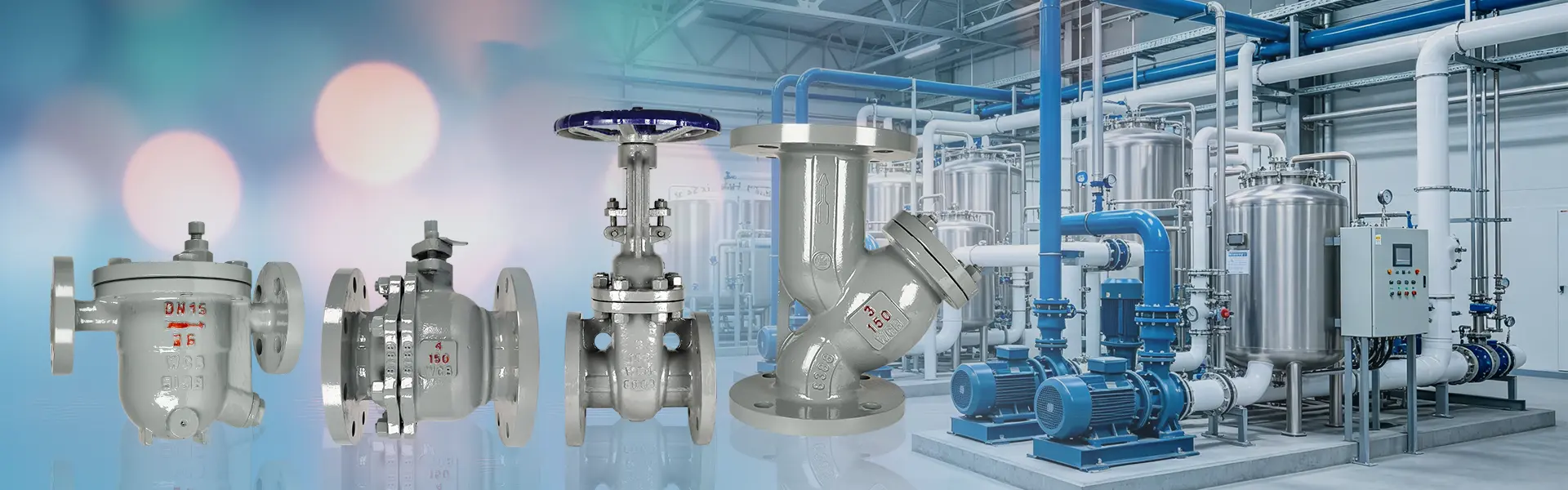
High-Efficiency Steam Traps for Industrial Energy Savings
Understanding Steam Trap Performance and Selection
A Steam Trap is an automatic valve that discharges condensate, air, and other non-condensable gases from a steam system while preventing the loss of live steam. In industrial heating, process control, and power generation, steam traps directly influence energy efficiency, equipment longevity, and production stability. Xiangzheng has specialized in steam trap manufacturing and system optimization for over two decades, providing reliable products for chemical plants, food processing, pharmaceutical facilities, and textile mills.
Core Functions of a High-Quality Steam Trap
- Remove condensate promptly to maintain heat transfer rates.
- Vent air and CO2 to prevent corrosion and binding.
- Prevent steam leakage to reduce fuel consumption.
- Withstand system pressure and temperature fluctuations.
- Operate automatically without external power.
Application-Specific Recommendations
Different processes require different trap behavior. The following list shows typical Xiangzheng recommendations:
- Steam main drip legs: Inverted bucket or thermodynamic traps sized for start-up load. Use XZ-IB-1 or XZ-TD-1 with strainer and dirt pocket.
- Heat exchangers and reboilers: Float & thermostatic traps provide continuous drainage and high air venting capacity. Choose XZ-FT-1 or XZ-FT-2 based on pressure and capacity.
- Steam tracing lines: Thermostatic traps with subcooling adjustment reduce energy loss. XZ-BP-1 is ideal for frost protection and instrument tracing.
- Superheated steam lines: Inverted bucket traps with hardened valve and seat. XZ-IB-2 is designed for high temperature and pressure.
- Jacketed kettles and reactors: Float & thermostatic traps discharge condensate continuously to maintain uniform temperature. XZ-FT-2 with stainless steel body is recommended for corrosive environments.
- Outdoor and freeze-prone locations: Bimetallic thermostatic traps or thermodynamic traps with proper insulation. XZ-BP-2 resists damage from freezing condensate.
Energy Impact of Steam Trap Failure
A single failed open steam trap on a 150 PSI steam main can waste over 100,000 lb of steam per year, translating to substantial fuel costs. For natural gas-fired boilers, every 1,000 lb of steam carries roughly 1,000,000 BTU of energy. At a typical industrial gas price, a single leaking trap may represent $5,000 to $15,000 in annual losses depending on orifice size and operating hours. Failed closed traps are equally costly because they cause condensate backup, reduced heat transfer, and damaged coils or jackets. A proactive steam trap management program using Xiangzheng traps and survey services typically pays for itself within six to twelve months.
Factory Testing and Quality Control
Every Xiangzheng steam trap is subjected to a multi-point inspection plan. First, raw material castings are checked for chemical composition and mechanical properties using spectrographic analysis. After machining, pressure-containing parts undergo hydrostatic testing at 1.5 times the design pressure. Assembled traps are then tested on a steam test rig where actual hot condensate and steam are cycled through the valve. Seat leakage is measured with a calibrated flow meter, and any trap exceeding the allowable leakage rate is rejected. Test reports are archived by serial number for traceability.
Frequently Asked Questions
Q: How does a steam trap know when to open and close?
A: A steam trap operates based on physical differences between steam and condensate, not on external sensors. Thermodynamic traps respond to flow velocity and pressure differences, thermostatic traps react to temperature changes, and mechanical traps such as float and inverted bucket types use buoyancy or density differences. For example, a float & thermostatic trap opens the valve when condensate raises a float, and the thermostatic element vents air and non-condensable gases independently. Inverted bucket traps use a submerged bucket that rises and falls with condensate level, opening and closing a linkage-connected valve.
Q: What are the signs of a failed steam trap?
A: Common signs include abnormally high or low outlet temperature, continuous steam leakage from the trap outlet, water hammer, reduced heat transfer, and higher fuel consumption. A trap that fails open wastes steam, while a trap that fails closed causes condensate backup and can lead to equipment damage. Routine testing using ultrasonic detectors, temperature measurement, or visual observation of the discharge can identify failures early. Xiangzheng recommends quarterly inspections for critical process traps and annual surveys for general plant traps.
Q: How do I size a steam trap?
A: Sizing involves matching condensate load to trap capacity under actual pressure differential, not simply matching pipe size. Start by calculating condensate formation from heat transfer equipment: load (lb/hr) = heat input (BTU/hr) / latent heat of steam (BTU/lb). Multiply the running load by a safety factor, usually 1.5 to 2 for continuous processes and up to 3 for start-up loads. Then select a trap model whose capacity at the minimum differential pressure exceeds the calculated load. Always check maximum allowable pressure and back pressure. Oversizing can cause rapid cycling and wear, while undersizing leads to condensate flooding.
Q: What is the difference between thermostatic and thermodynamic steam traps?
A: Thermostatic traps use a temperature-sensitive element, typically a bimetallic strip or a capsule filled with a volatile liquid. They open when condensate cools below saturated steam temperature, discharging condensate at a lower temperature. This provides energy savings in tracing applications but may be slow to respond to large loads. Thermodynamic traps use a disc that moves in response to dynamic pressure changes when condensate flashes to steam. They are compact, handle high pressure well, but can be noisy and wear faster under frequent cycling. Xiangzheng supplies both types with material options to suit specific operating conditions.
Q: Can steam trap be used on superheated steam?
A: Yes, but not all designs are suitable. Inverted bucket traps and certain thermodynamic traps can handle superheated steam because they do not rely on temperature difference for operation. Thermostatic traps are generally not recommended for superheated steam because the element may remain closed in the absence of condensate cooling. For superheated steam duties, Xiangzheng recommends XZ-IB-2 inverted bucket traps or XZ-TD-2 thermodynamic traps with hardened trim and Stellite seats.
Q: How often should steam trap be inspected?
A: Inspection frequency depends on operating pressure, service conditions, and trap criticality. For high-pressure steam mains and critical process equipment, quarterly inspection is standard. For moderate pressure tracing and heating applications, semi-annual inspection may be sufficient. A complete steam trap survey should be performed at least once a year to identify failed traps, quantify steam losses, and prioritize maintenance. Xiangzheng provides ultrasonic testing equipment and on-site training for maintenance teams to conduct accurate surveys.
Q: What installation practices help extend steam trap life?
A: Install the trap below the equipment drain point with a properly sized drip leg, use a strainer upstream, and provide isolation valves for maintenance. Keep piping runs short and avoid low spots that collect condensate. Install a check valve downstream if the trap discharges into a common condensate return line. For inverted bucket traps, a water seal must be maintained to prevent steam leakage. For thermostatic traps, allow adequate cooling leg of at least 3 to 6 feet before the trap. Always follow the orientation shown on the trap body.
- View as
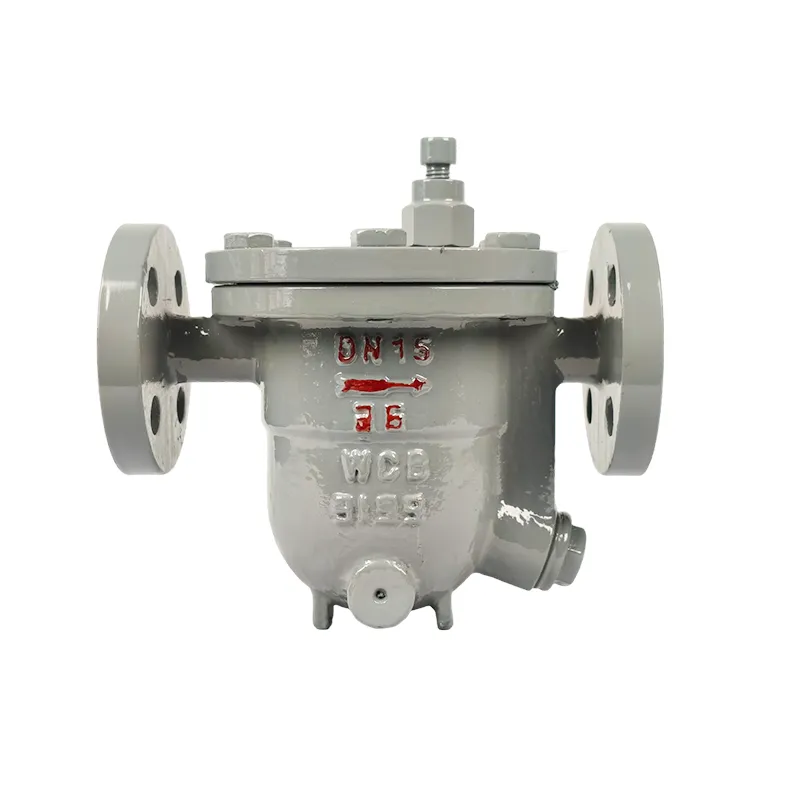
Carbon Steel ASTM Standard Float Steam Trap
Xiangzheng Carbon Steel ASTM Standard Float Steam Trap is designed for industrial steam systems that require reliable condensate discharge and efficient steam utilization. This float steam trap delivers stable drainage performance, minimizes steam loss and helps improve energy efficiency in industries such as papermaking, petrochemical, textile and power generation. Contact us for factory pricing and customized steam trap solutions.
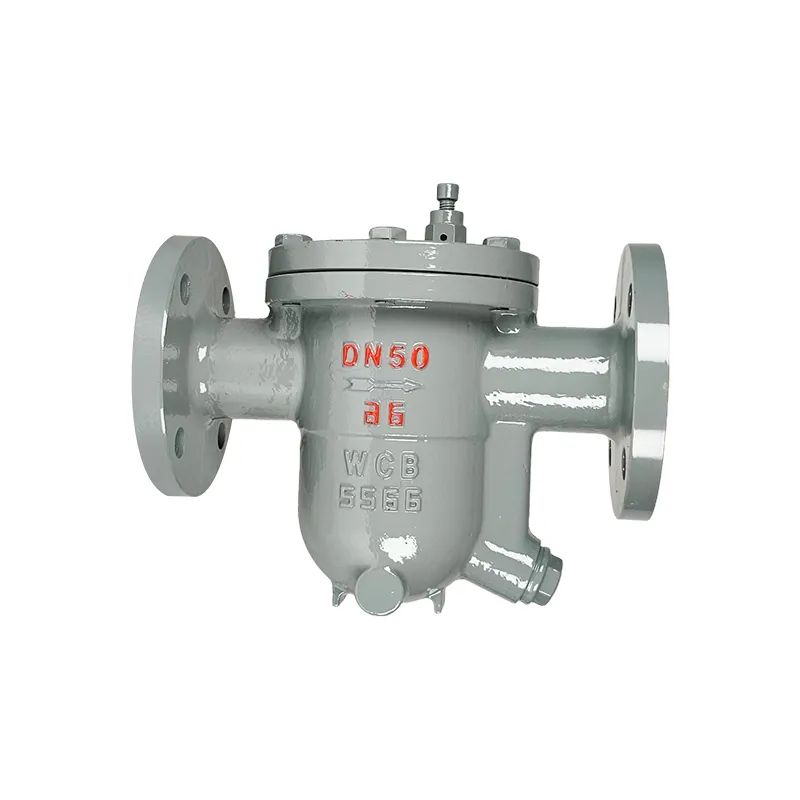
Cast Steel Float Steam Trap
Built for demanding steam applications, Xiangzheng Cast Steel Float Steam Trap provides reliable condensate discharge for high-temperature and high-pressure industrial systems. Manufactured with a durable cast steel body, this heavy-duty steam trap helps reduce steam loss, prevent water hammer and maintain stable operation in chemical, power, petrochemical and process heating applications.
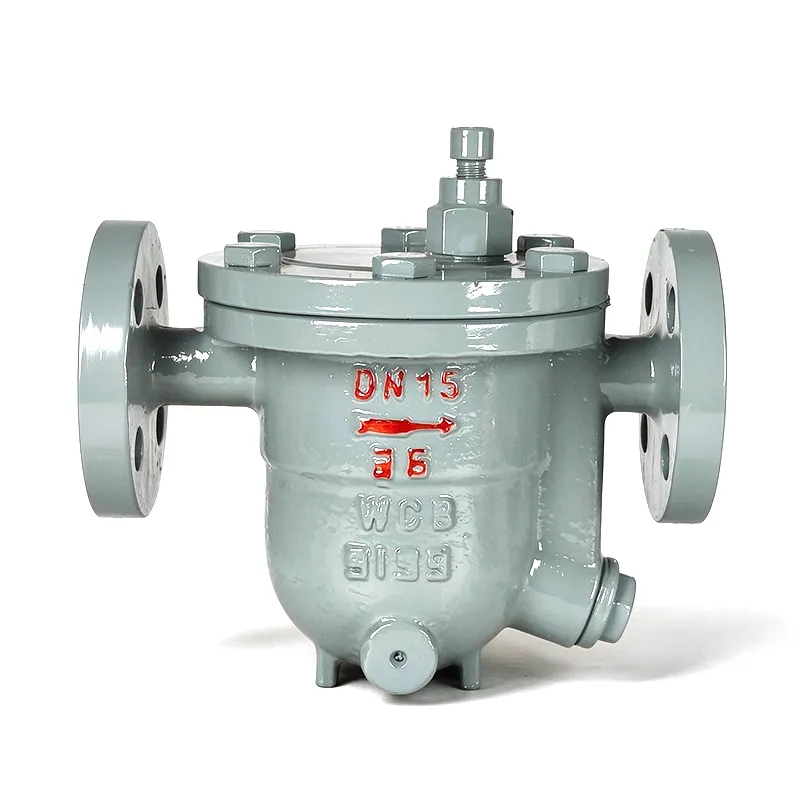
CS ASME Standard Float Steam Trap
Xiangzheng CS ASME Standard Float Steam Trap is designed with carbon steel construction and ASME standard compatibility, this factory-direct steam trap supplier provides stable condensate discharge, reduced steam loss and long-term operating reliability for food processing, chemical, power and other industrial facilities.
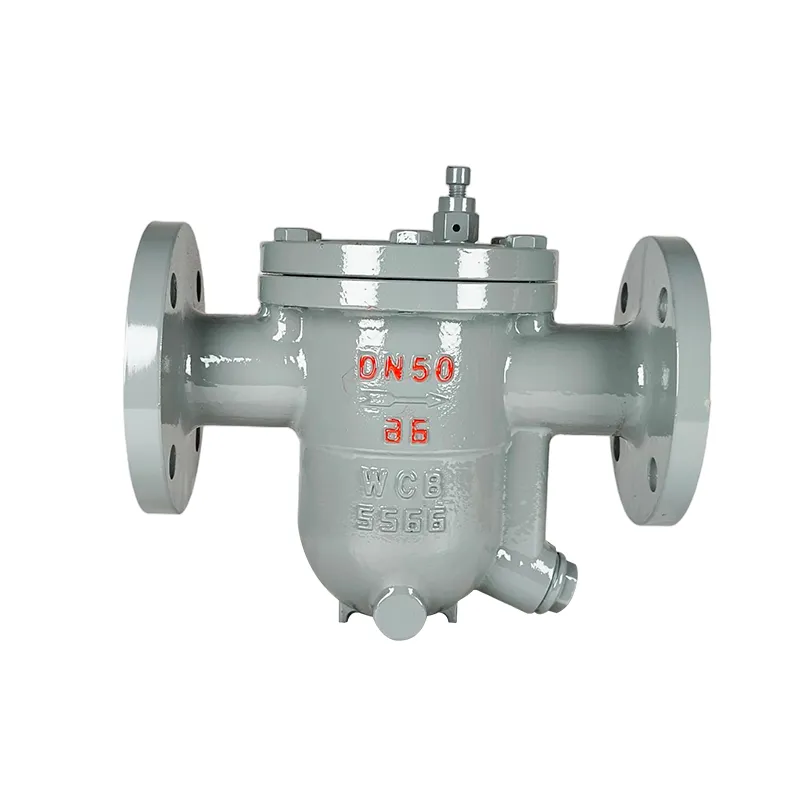
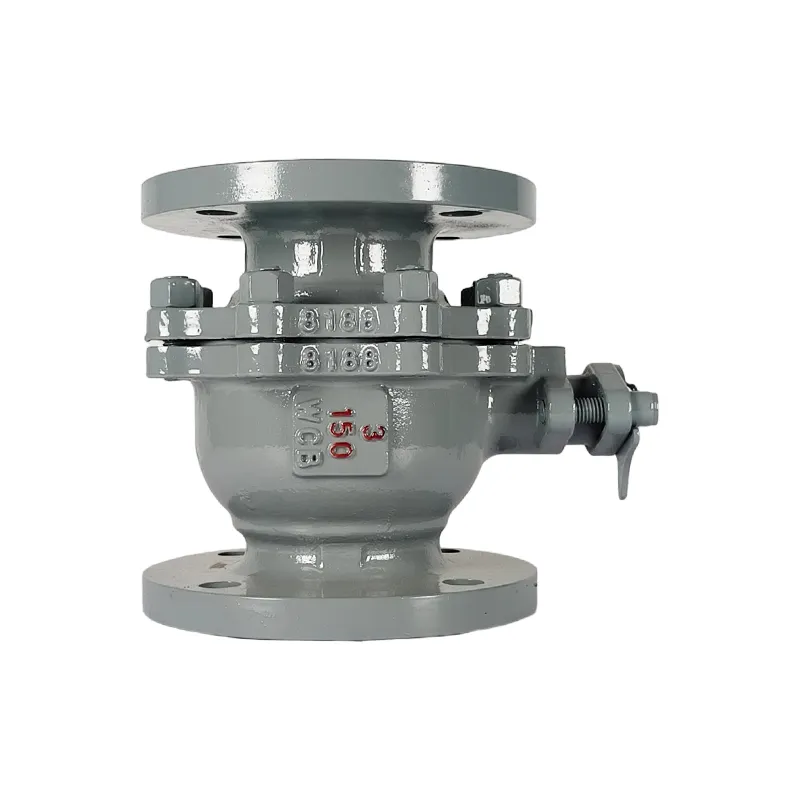
WCB ANSI Standard Float Steam Trap
Built for demanding industrial steam applications, Xiangzheng WCB ANSI Standard Float Steam Trap provides a dependable solution for condensate removal and steam loss prevention. Manufactured with ASTM A216 WCB cast steel and designed according to ANSI standards, this industrial steam trap supplier offers durable performance, stable drainage, and factory-direct purchasing support for global steam system projects.
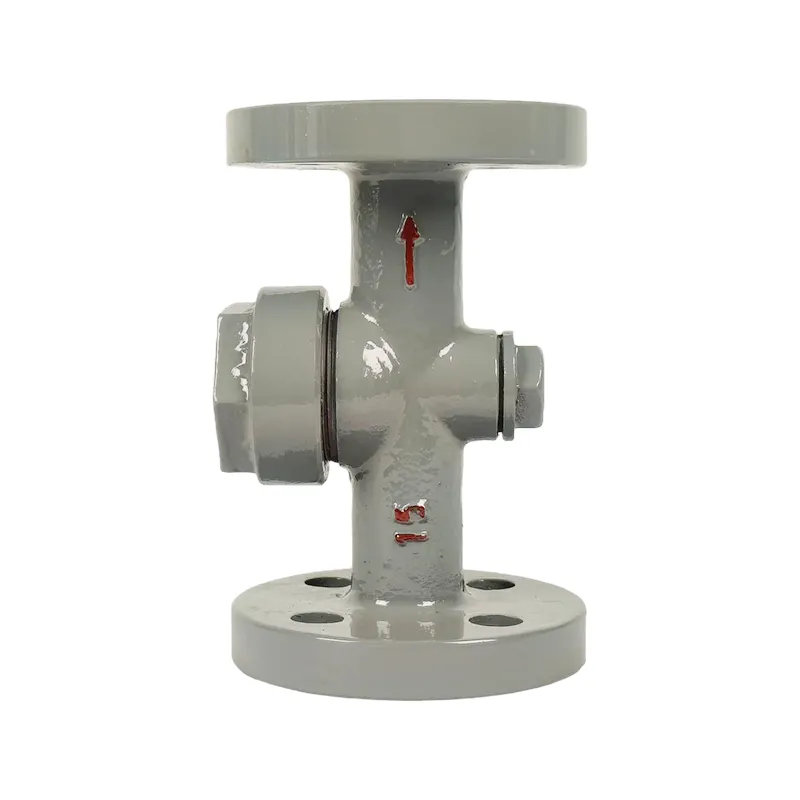
Carbon Steel ASTM Standard Thermodynamic Steam Trap
The Carbon Steel ASTM Standard Thermodynamic Steam Trap is produced by the Xiangzheng Factory. This trap delivers reliable drainage performance for high-temperature and high-pressure industrial steam systems. As the manufacturer and supplier in China, we have provided it in high quality to wholesalers all over the world.
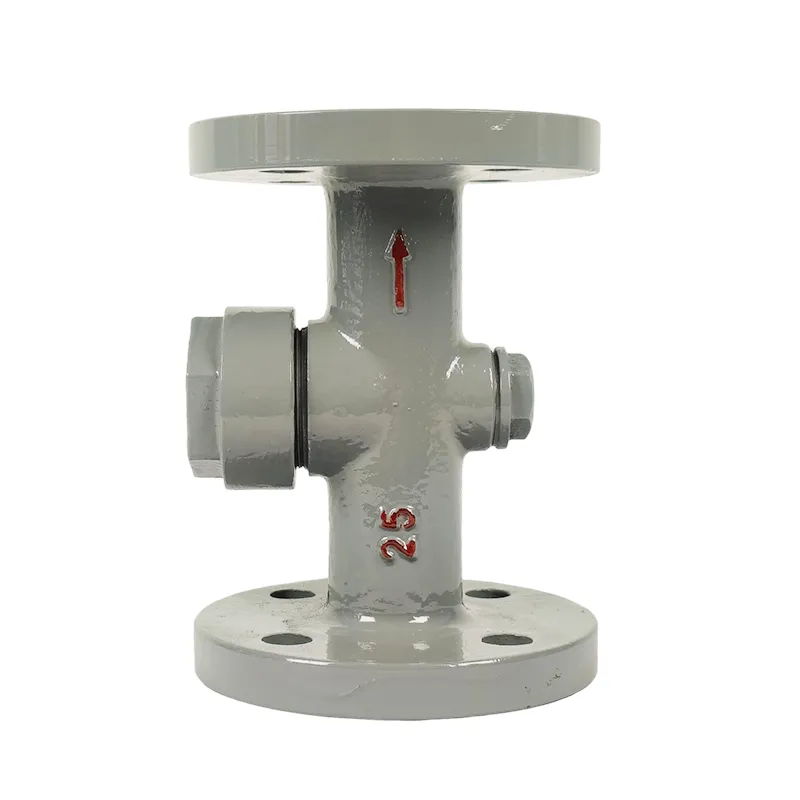
Cast Steel Thermodynamic Steam Trap
Xiangzheng is a professional China Cast Steel Thermodynamic Steam Trap Manufacturer, specializes in high-performance steam condensate drainage solutions compliant. Our product adopts premium cast steel body with integral rugged structure, featuring reliable thermodynamic working principle that automatically discharges condensate while blocking live steam loss, serving as a core energy-saving and safety protection component for petrochemical industries.
Xiangzheng offers dependable Steam Traps for industrial projects. Contact our team for a quote.
News Recommendations