News

Modern Industrial Valve Solutions Drive Safety & Efficiency for Global Process Industries

2026-08-12 0 Leave me a message

Learn how upgraded industrial valve technologies improve operational safety, energy‑saving performance and long‑term reliability across chemical, water treatment and manufacturing facilities worldwide.

Modern Industrial Valve Solutions Drive Safety & Efficiency for Global Process Industries

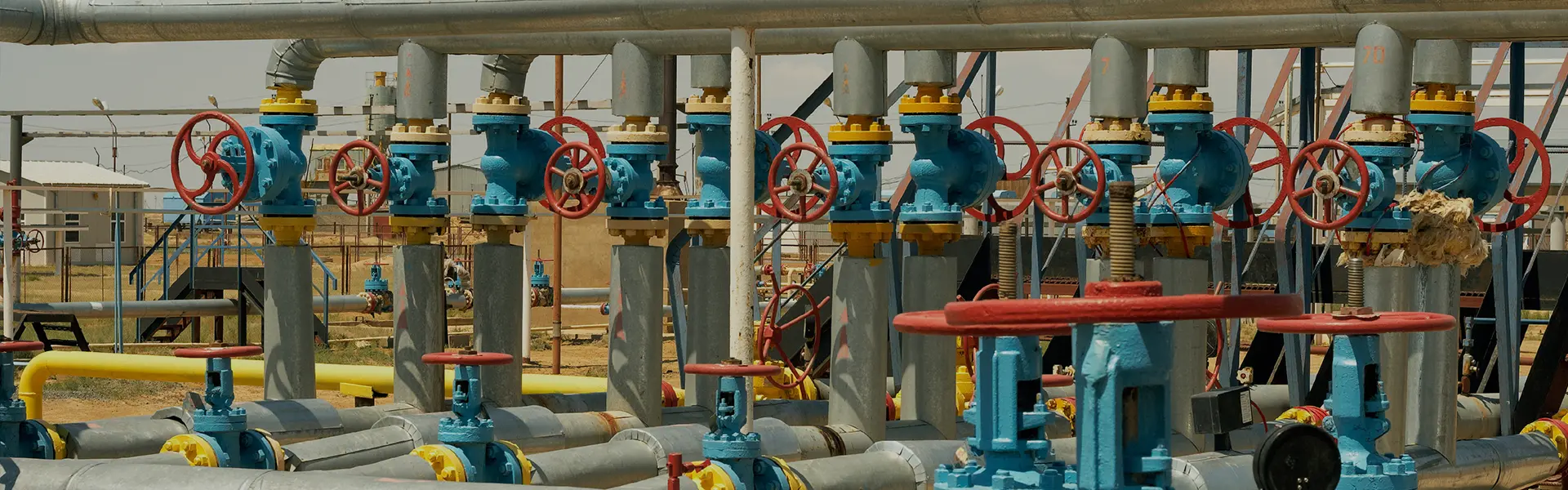
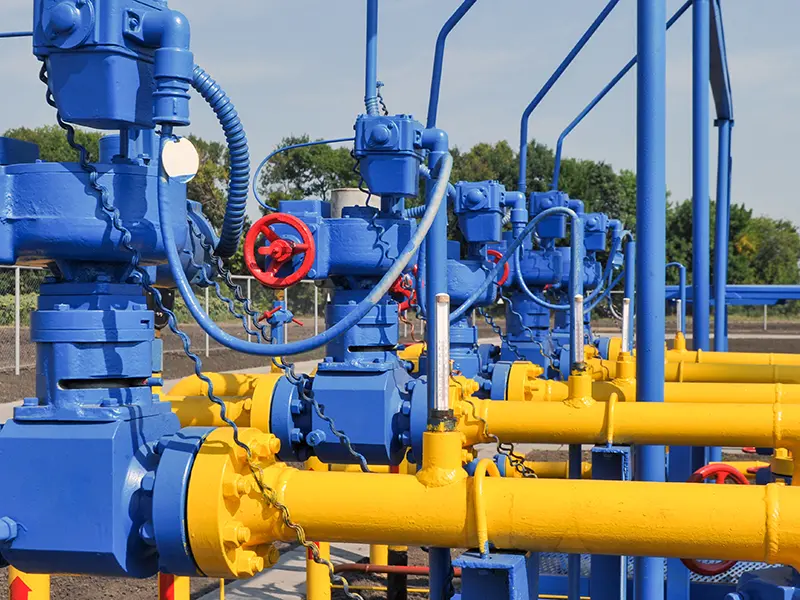
Industrial valves act as critical control components inside fluid processing systems, regulating flow rate, pressure and medium direction for liquid, gas and steam across nearly all heavy‑duty industrial sites. As global manufacturing and process industries push for higher safety standards and lower operating costs, advanced valve designs have become one of the core factors affecting overall plant uptime.

Traditional valve products often face common pain points including frequent leakage, short service life under harsh working conditions, and high maintenance costs. Many aging factories still rely on outdated valve models that cannot adapt to fluctuating pressure, corrosive media or frequent switching cycles. Unplanned valve failures may trigger pipeline shutdown, medium leakage, safety risks and huge economic losses for production operators. For this reason, more project owners are shifting focus from simple low‑cost purchasing to total‑cost‑of‑ownership when selecting valve equipment.

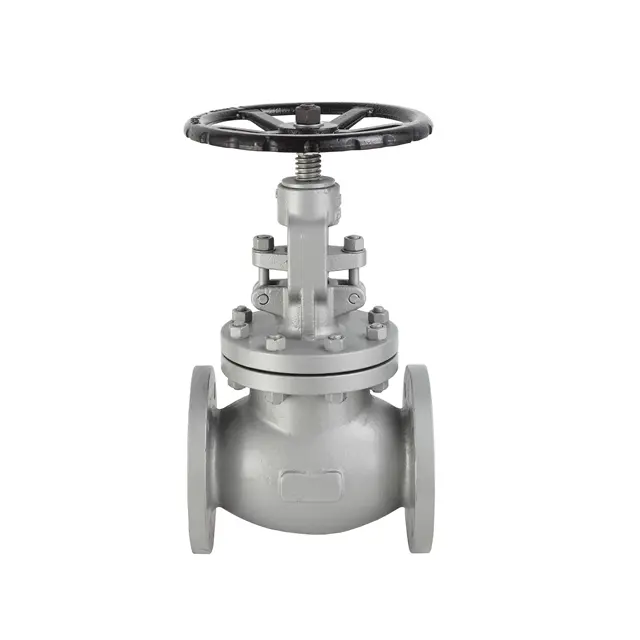
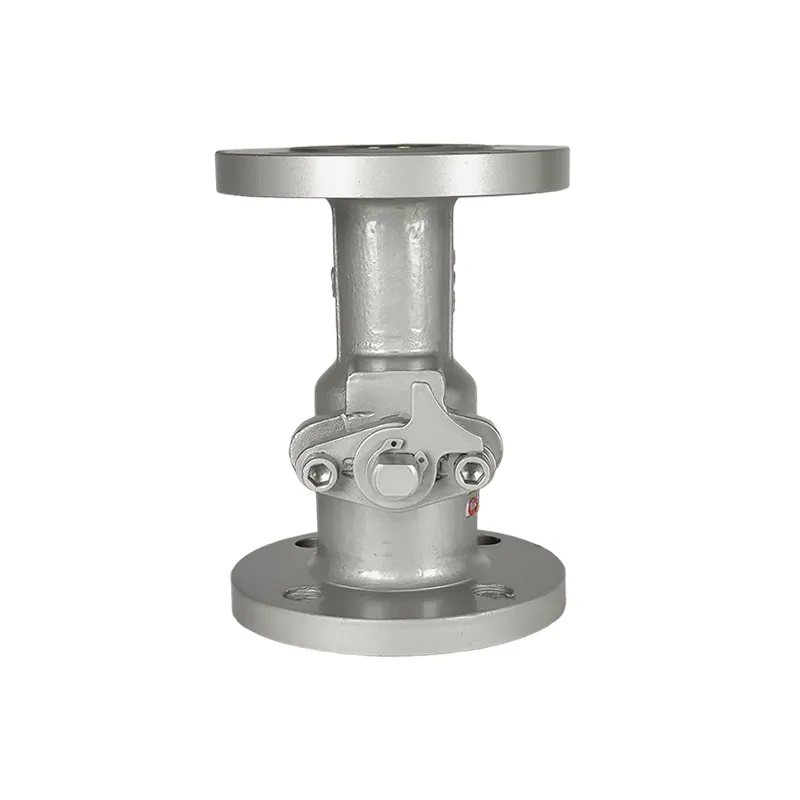
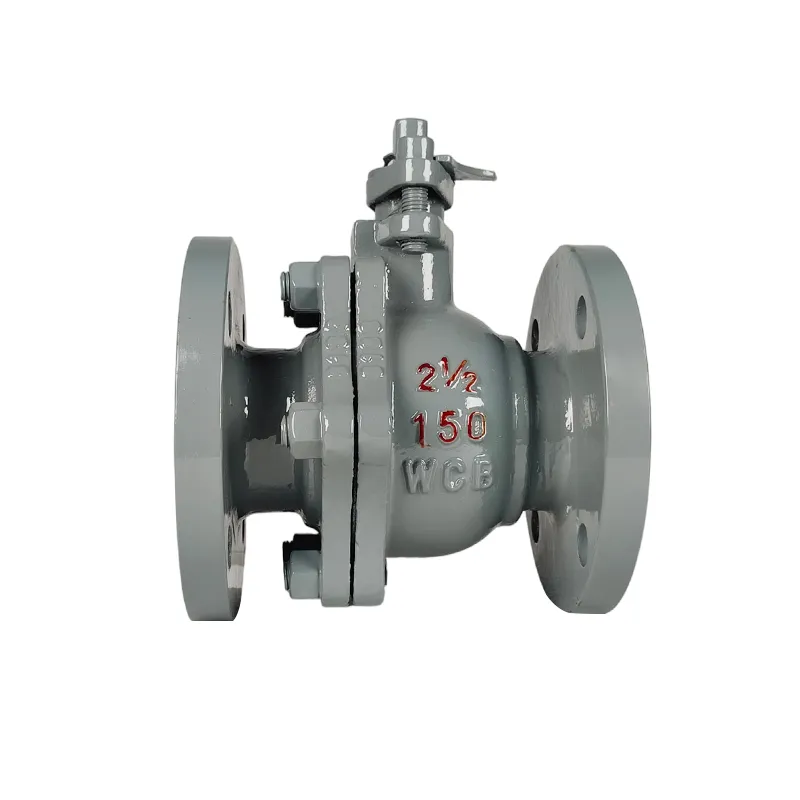
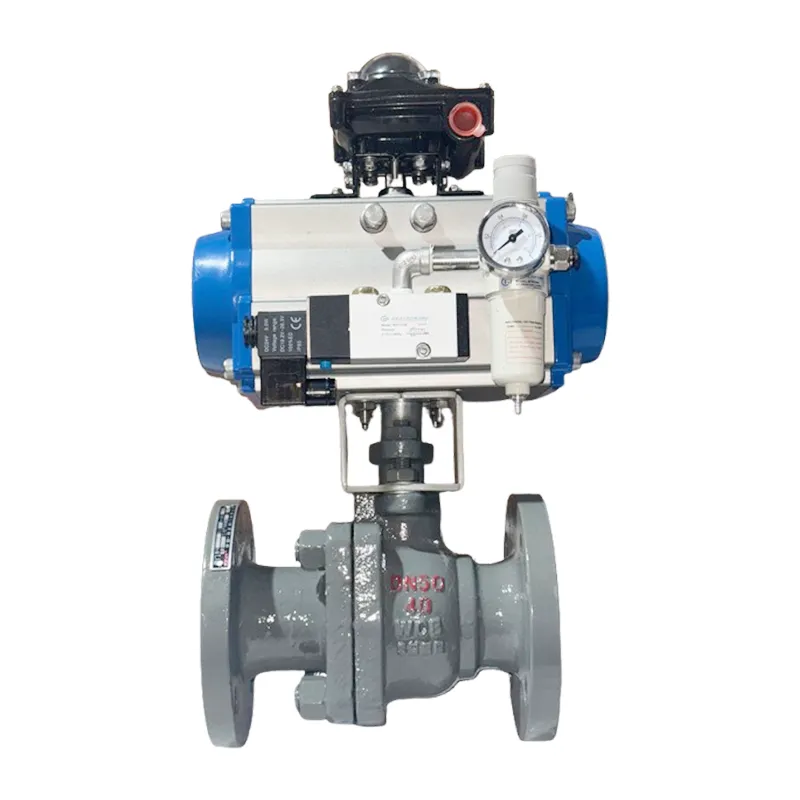
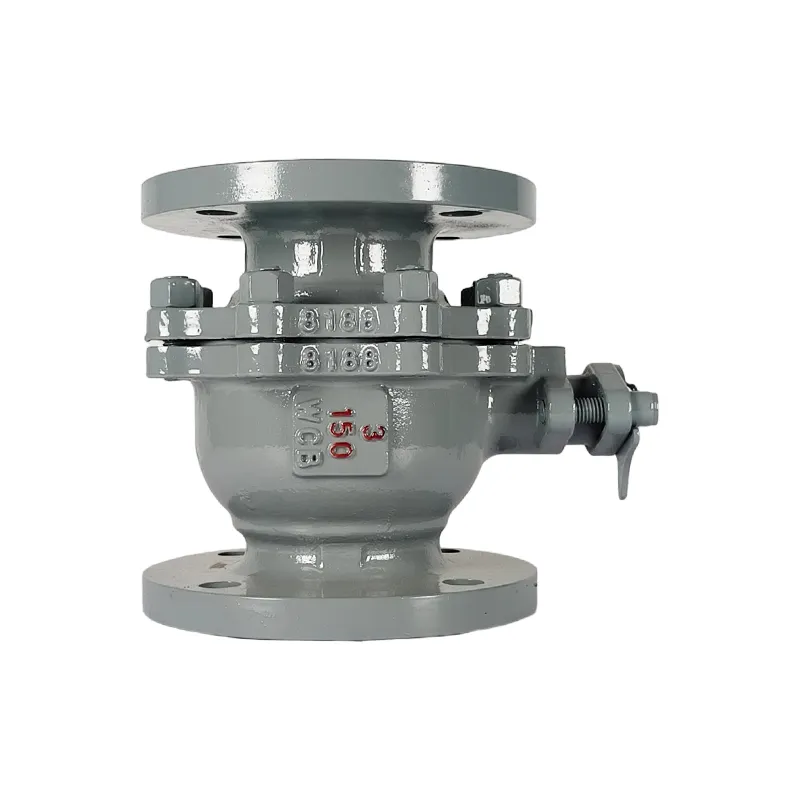
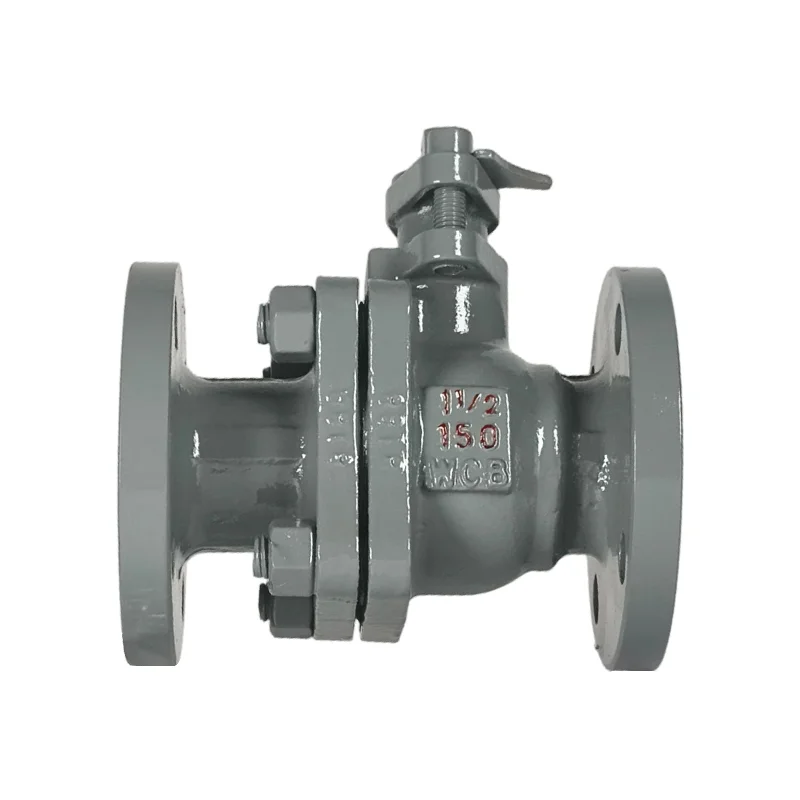
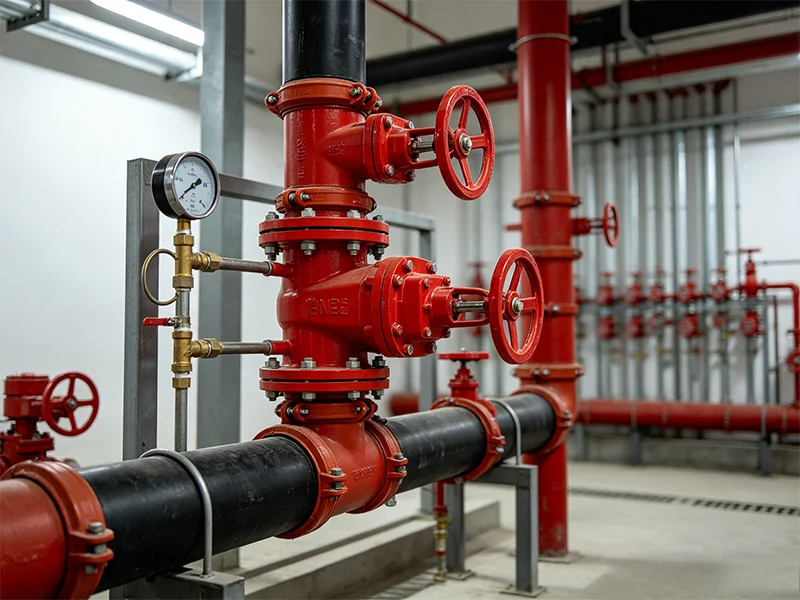
High‑performance industrial valves cover multiple mainstream categories: gate valves, ball valves, butterfly valves, globe valves and check valves. Each type serves differentiated application scenarios. Ball valves deliver fast‑switch performance for general‑purpose pipelines. Butterfly valves are widely adopted in large‑diameter water‑treatment pipelines thanks to compact structure and light weight. Check valves prevent reverse flow to protect pumps and downstream instruments from damage. When paired with electric or pneumatic actuators, manual‑operation valves upgrade into automatic control units, supporting remote monitoring and smart plant management.

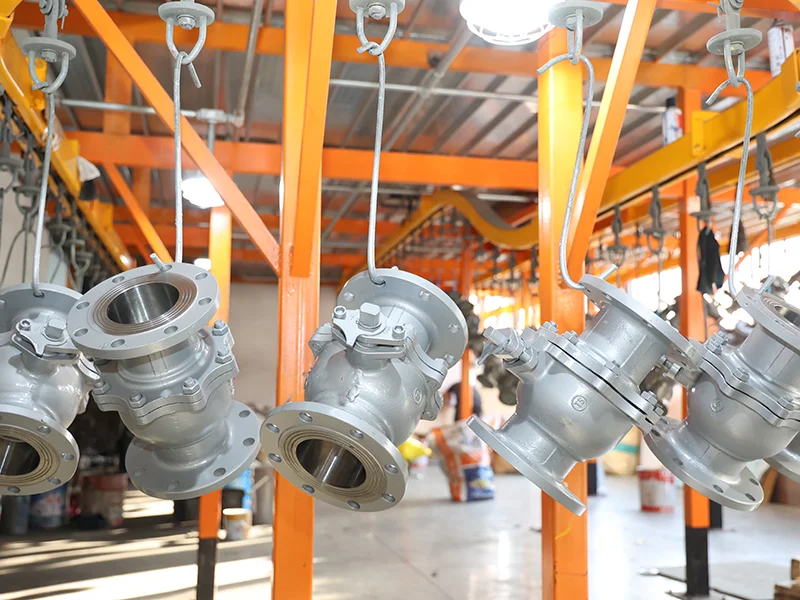
Harsh‑environment application raises higher requirements for valve material selection. Media containing acid, alkali, salt or high‑temperature steam demands stainless steel, alloy steel or special fluoroplastic sealing parts. Poor material matching will cause rapid seal aging, internal corrosion and unexpected breakdown. Reputable valve manufacturers conduct strict pressure‑resistance tests, leakage‑level inspection and material verification before products leave factories, to guarantee stable performance under long‑term continuous operation.

Water treatment, chemical processing, pulp‑and‑paper and general manufacturing are major end‑user markets for industrial valves. In water‑supply and wastewater‑treatment plants, large‑size valves manage raw‑water intake, sewage discharge and water‑distribution networks. Chemical plants require anti‑corrosion valves for reaction‑kettle pipelines and material delivery loops. Manufacturers also install a large number of control valves for compressed‑air and circulating‑water systems.

Smart‑valve integration is a notable market trend in recent years. Valves equipped with position sensors can transmit real‑time working‑status data to plant control systems. Maintenance teams obtain early warnings of seal wear, pressure deviation or abnormal vibration, and carry out predictive maintenance instead of passive emergency repair. This technology effectively cuts downtime and reduces unnecessary spare‑part replacement expenses.

Market analysts point out that end‑users no longer only care about initial procurement prices. Service life, after‑sales support, spare‑part availability and compliance with international industrial standards weigh heavily in purchasing decisions. Qualified valve suppliers provide complete technical documentation, installation guidance and post‑sale troubleshooting services for global clients.

As global industries keep strengthening safety supervision and energy‑saving transformation, the demand for high‑quality, reliable industrial valves will keep steady growth. Enterprises that combine mature manufacturing capability with innovative smart‑control functions will occupy more market share in international project bidding. Plant operators should evaluate working‑medium characteristics, working pressure, temperature range and installation environment comprehensively before ordering valves, to select the most suitable valve solution for long‑term stable production.


Related News
Leave me a message
X
We use cookies to offer you a better browsing experience, analyze site traffic and personalize content. By using this site, you agree to our use of cookies. Privacy Policy
RejectAccept