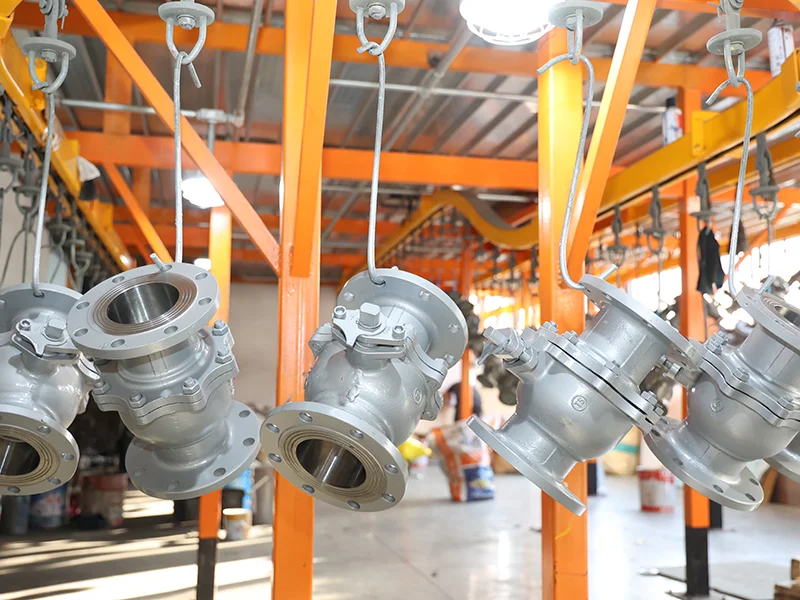
Professional guide on valve selection criteria for water and wastewater projects, covering pressure rating, material, sealing performance and actuator configuration for municipal water infrastructure.
Key Considerations for Valve Selection in Water & Wastewater Infrastructure Projects
Municipal water supply and wastewater treatment infrastructure forms the foundation of urban public services. Valves are indispensable hardware inside water‑treatment plants, pumping stations and urban underground pipe networks. Proper valve selection directly influences system stability, daily operation cost and infrastructure service life. Improper valve choices will bring frequent breakdowns, water‑leakage problems and heavy maintenance burdens for water‑utility departments.
Water‑related working conditions bring unique challenges for valve products. Tap‑water pipelines bear long‑term normal‑pressure circulation; wastewater pipelines contain sediment, trace corrosive substances and particle impurities. Large‑diameter pipeline projects need valves with strong anti‑abrasion performance and stable sealing capacity. Many municipal projects run 24‑hours‑a‑day all year round, so valves must maintain reliable performance under frequent opening‑closing operations.
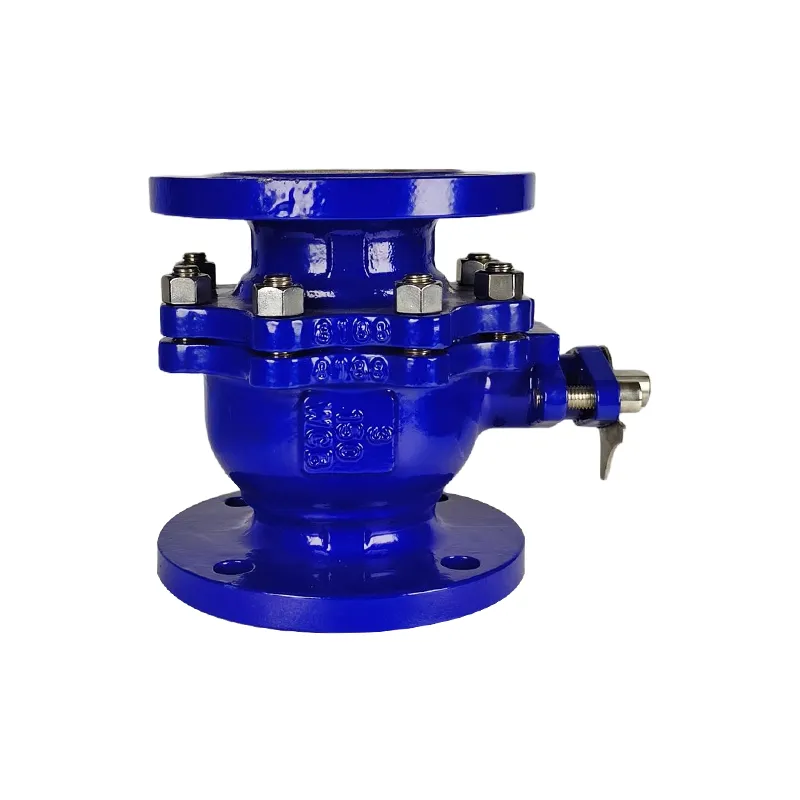
The first core selection factor is working‑condition parameter confirmation. Engineers need to confirm pipeline nominal diameter, working pressure range, operating temperature and fluid medium property. For clean tap‑water, ductile‑iron valve bodies with rubber sealing components are widely used for cost‑effective performance. Sewage and sludge pipelines require enhanced anti‑wear sealing materials to resist particle abrasion. If disinfection‑agent residues exist inside wastewater, anti‑corrosion material upgrade should be taken into account.
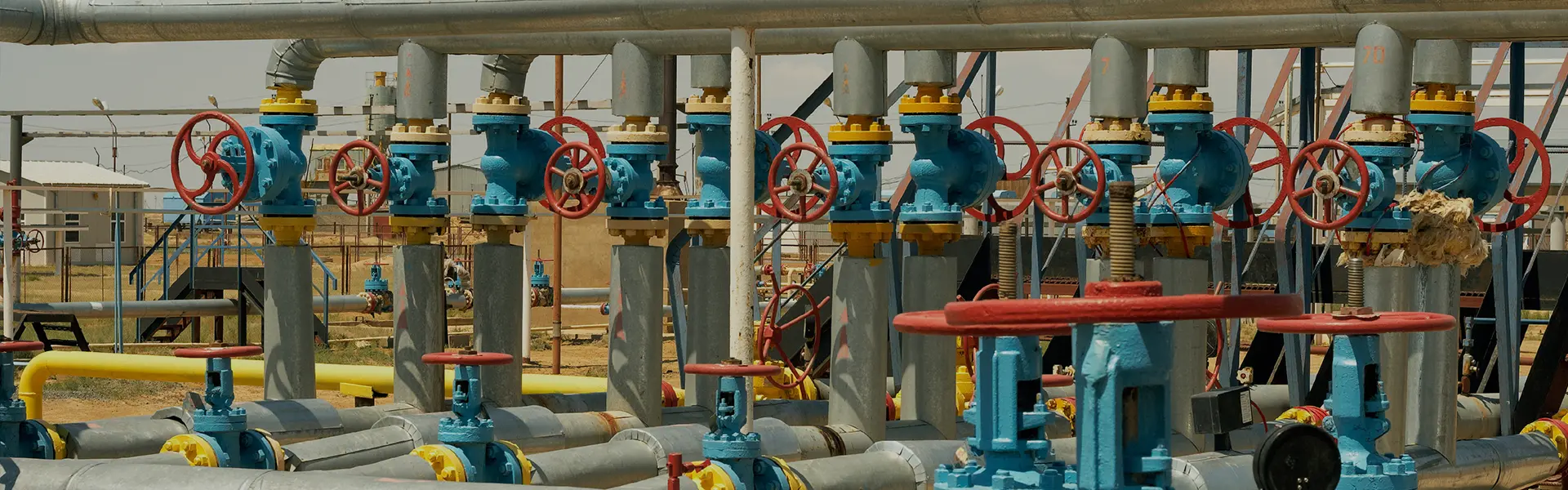
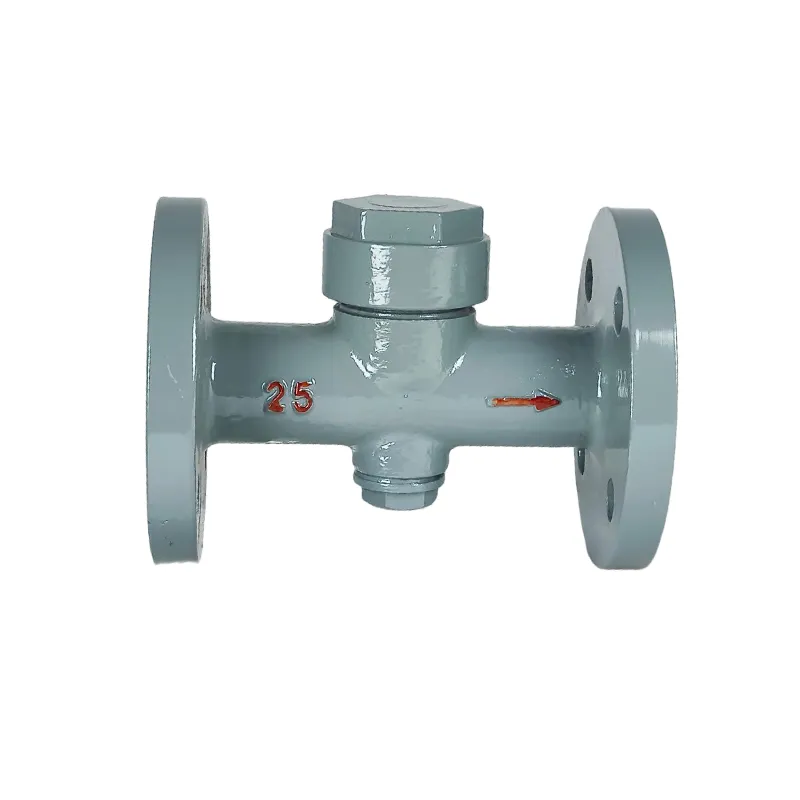
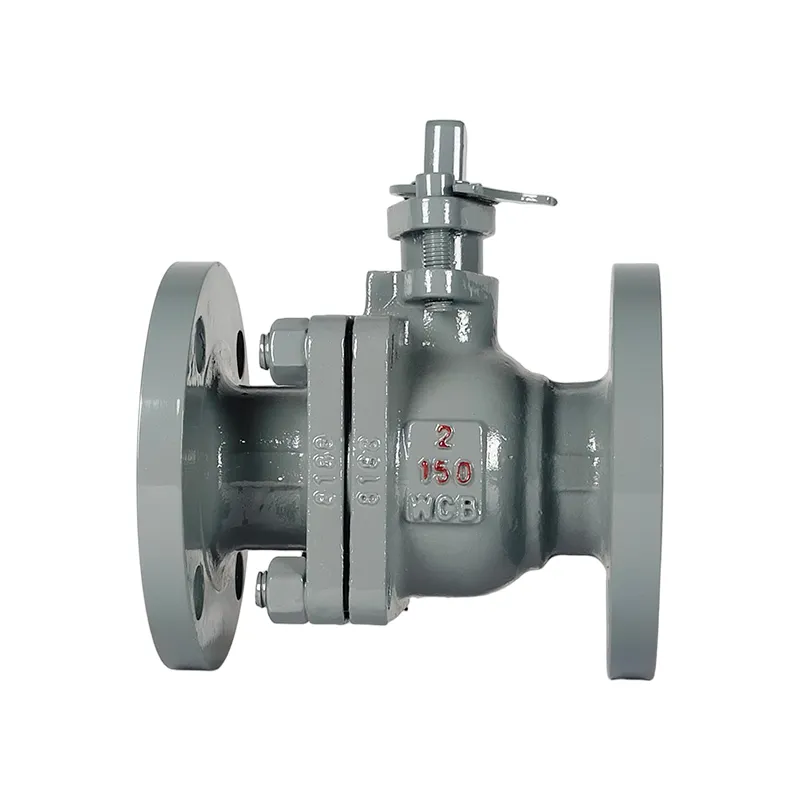
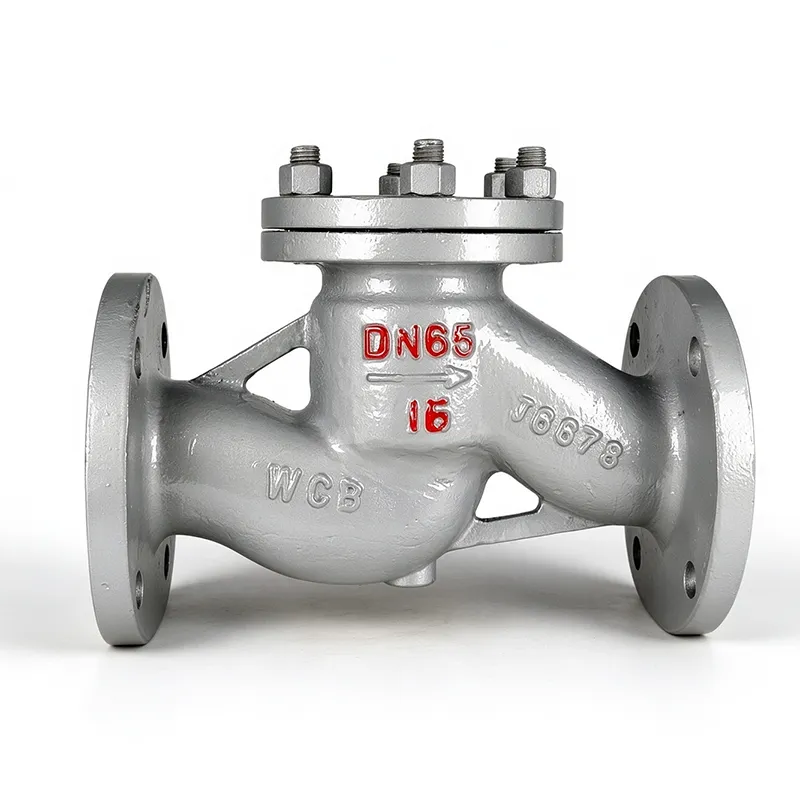
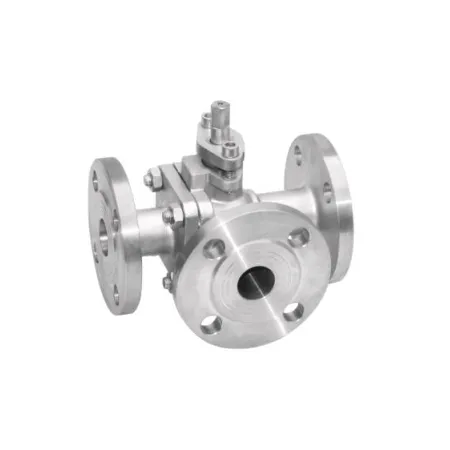
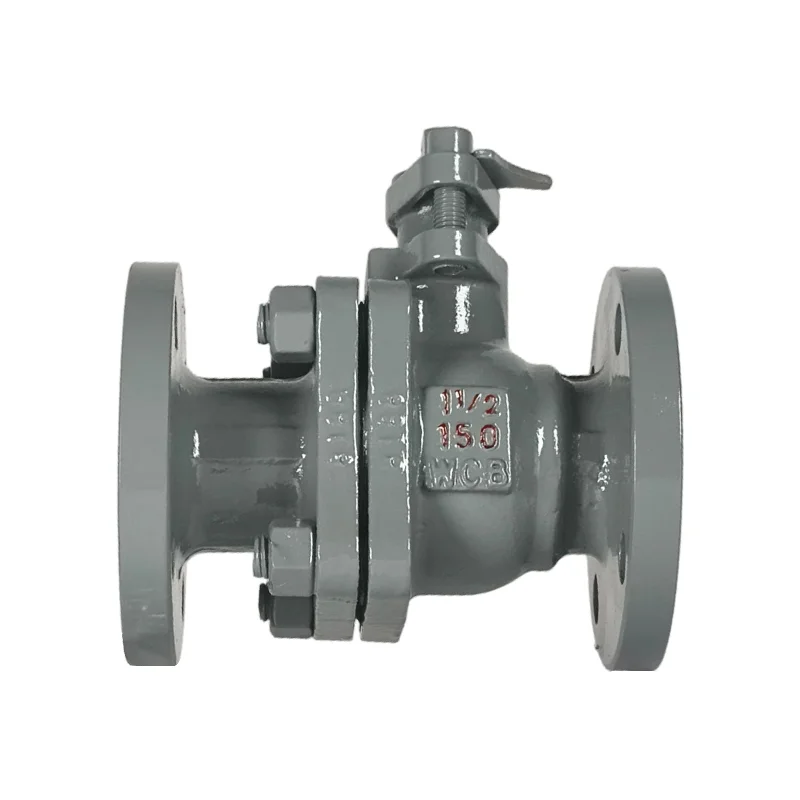
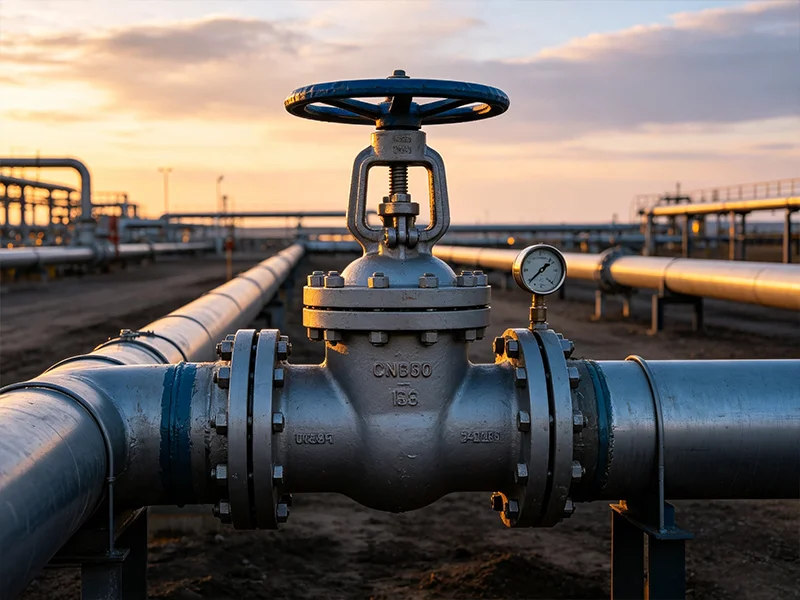
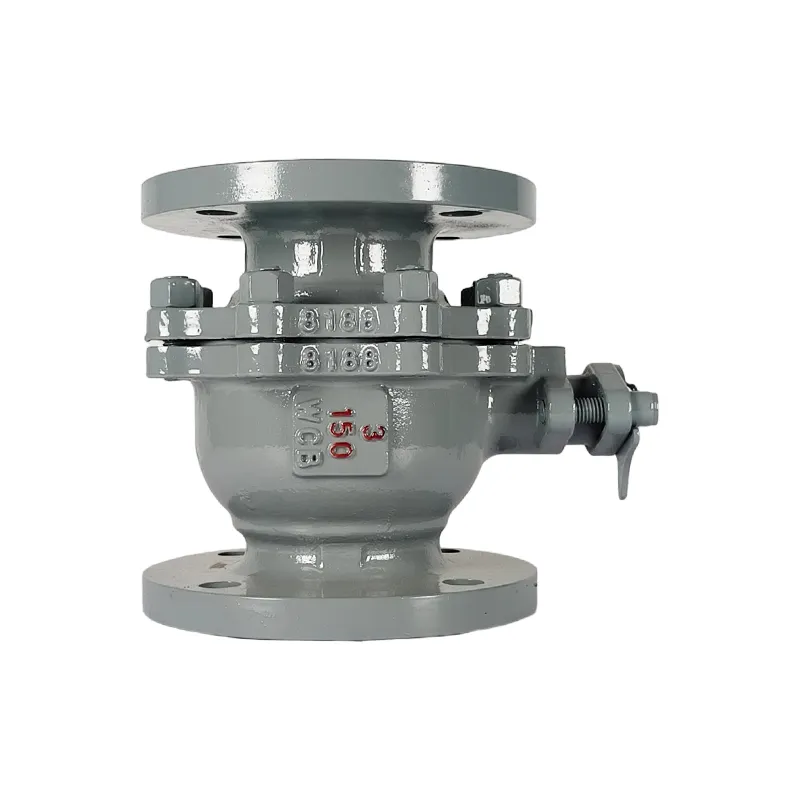
Different valve types fit different water‑system functions. Butterfly valves are the mainstream choice for large‑diameter municipal water pipelines, featuring compact size, convenient installation and low flow resistance. Gate valves apply to fully‑open or fully‑closed on‑off scenarios in water‑supply main pipes. Check valves are installed at pump outlets to stop water backflow and protect water‑pump equipment from reverse‑impact damage. Globe valves are adopted for partial‑flow‑adjustment requirements.
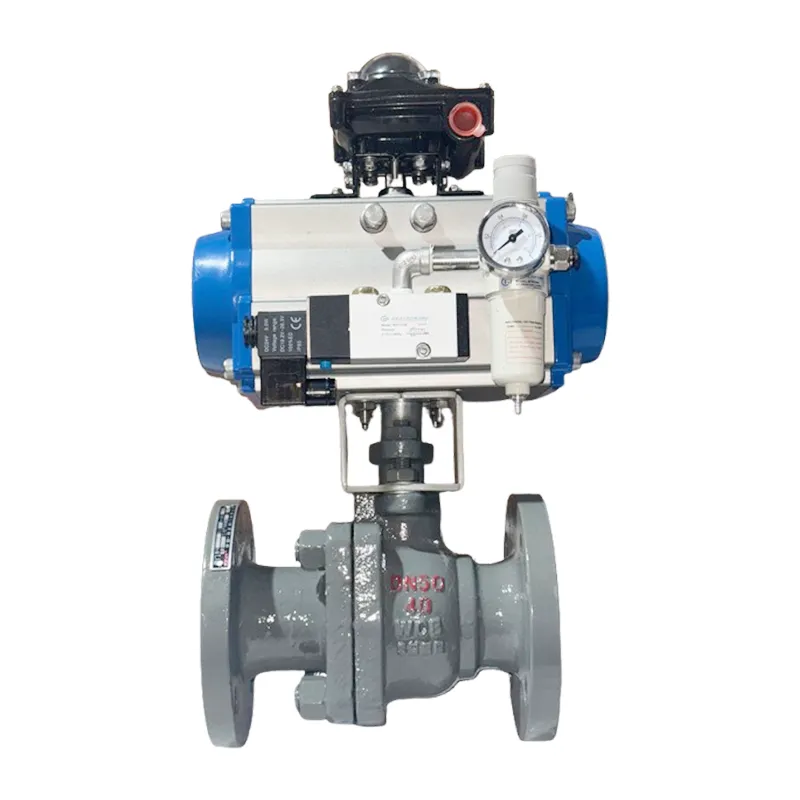
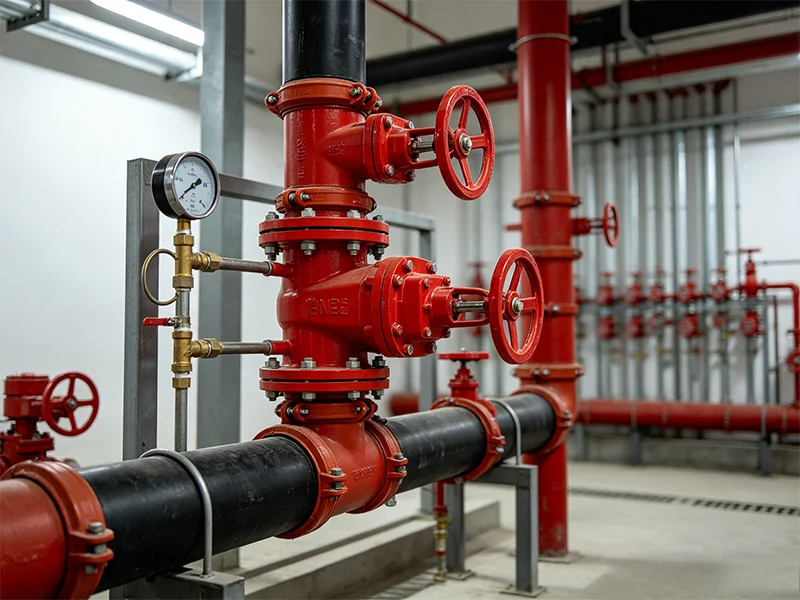
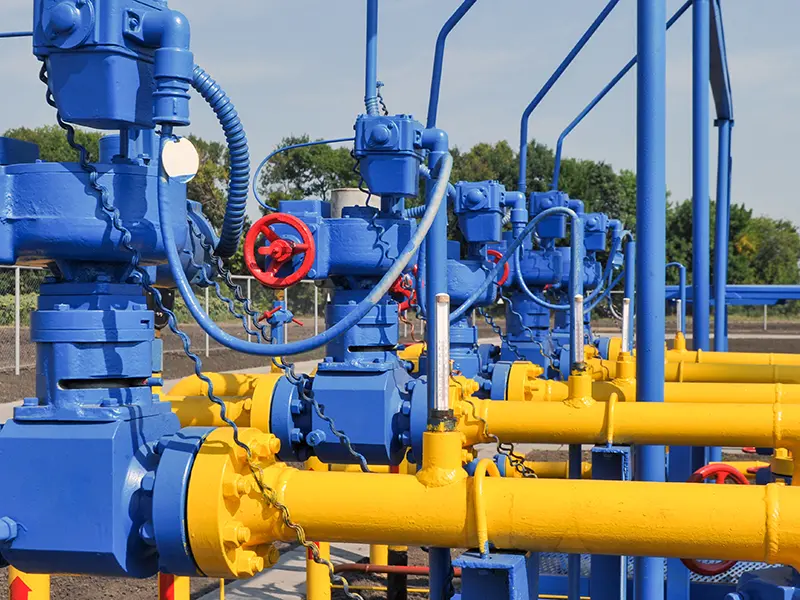
Actuator configuration is another important decision point. Small‑size valves for branch pipelines usually adopt manual handwheel operation. Large‑size valves inside pumping stations and treatment plants often deploy electric actuators. Electric‑actuated valves support remote centralized control, greatly improving operation efficiency for large‑scale water‑treatment sites. Pneumatic actuators are chosen for sites with stable compressed‑air supply. Project designers should consider power‑supply conditions, on‑site maintenance‑ability and budget when choosing actuators.
Sealing‑grade performance deserves special attention. Zero‑leakage requirement is common for drinking‑water pipelines. Low‑quality valves will produce hidden water‑loss risk for municipal pipe networks. Buyers should verify whether valve products meet relevant international industry standards. Third‑party pressure‑sealing test reports serve as important reference documents for project procurement.
On‑site installation environment cannot be ignored. Some valves work inside underground valve wells facing damp and humid surroundings. Valve‑body surface anti‑rust coating quality will affect long‑term service life. For buried‑installation valves, users shall select products with anti‑corrosion surface treatment and suitable shaft‑extension structures.
Project lifecycle cost analysis should replace simple low‑price‑only purchasing logic. Cheap valves with insufficient quality may bring frequent repair, pipe‑network water‑cut‑off events and higher comprehensive cost in the long run. Reliable suppliers provide complete product certificates, installation manuals and long‑term spare‑part supply guarantee for municipal‑infrastructure clients.
With global urban‑infrastructure construction continuously advancing, water‑and‑wastewater‑project clients raise higher standards for valve stability and after‑sales service. Engineering teams need to combine practical working‑conditions, refer to professional‑manufacturer technical suggestions, and complete scientific valve‑model selection. Correct valve configuration helps water‑utilities realize stable water‑supply and efficient sewage‑treatment operation for cities and communities.