English
- English
- Español
- Português
- русский
- Français
- 日本語
- Deutsch
- tiếng Việt
- Italiano
- Nederlands
- ภาษาไทย
- Polski
- 한국어
- Svenska
- magyar
- Malay
- বাংলা ভাষার
- Dansk
- Suomi
- हिन्दी
- Pilipino
- Türkçe
- Gaeilge
- العربية
- Indonesia
- Norsk
- تمل
- český
- ελληνικά
- український
- Javanese
- فارسی
- தமிழ்
- తెలుగు
- नेपाली
- Burmese
- български
- ລາວ
- Latine
- Қазақша
- Euskal
- Azərbaycan
- Slovenský jazyk
- Македонски
- Lietuvos
- Eesti Keel
- Română
- Slovenski
- मराठी
- Srpski језик
How Can a Cast Steel Flanged Ball Valve Improve Pipeline Safety and Flow Control
Article Summary: A cast steel flanged ball valve is a practical solution for industrial pipelines that require dependable shut-off, pressure resistance, and convenient installation. This guide from Xiangzheng explains its operating principle, key structural features, material considerations, industrial applications, and selection criteria. It also outlines the importance of sealing performance, pressure ratings, dimensional compatibility, and quality inspection when sourcing valves for demanding fluid-handling systems.
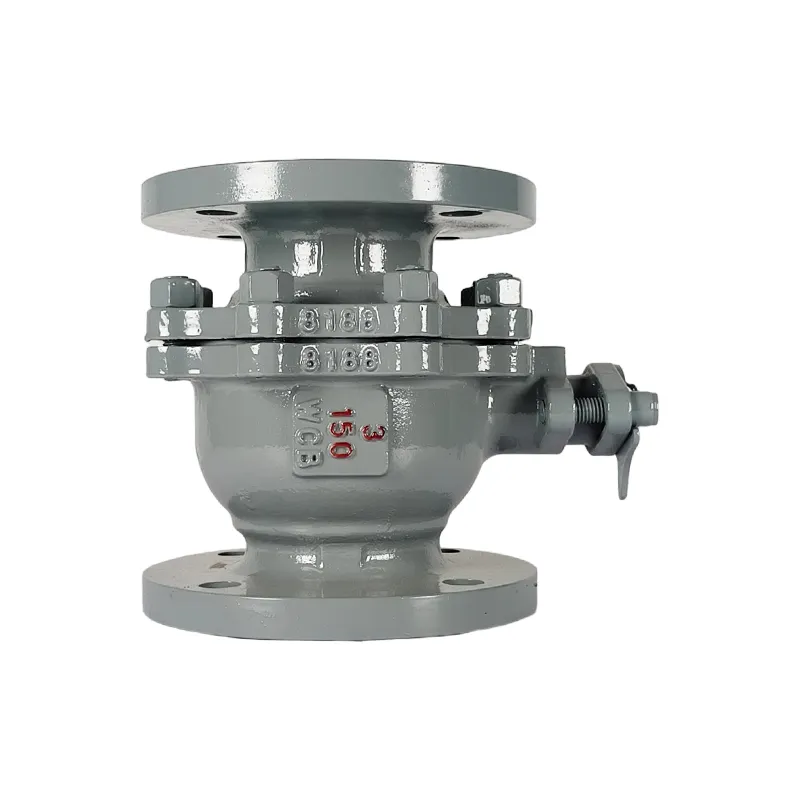
Table of Contents
- What Is a Cast Steel Flanged Ball Valve?
- How Does It Work?
- What Are Its Key Design Features?
- Technical Specifications and Selection Factors
- Where Are Cast Steel Flanged Ball Valves Used?
- How to Choose the Right Valve
- Installation and Maintenance Recommendations
- Why Manufacturing Quality Matters
- Frequently Asked Questions
- Conclusion
What Is a Cast Steel Flanged Ball Valve?
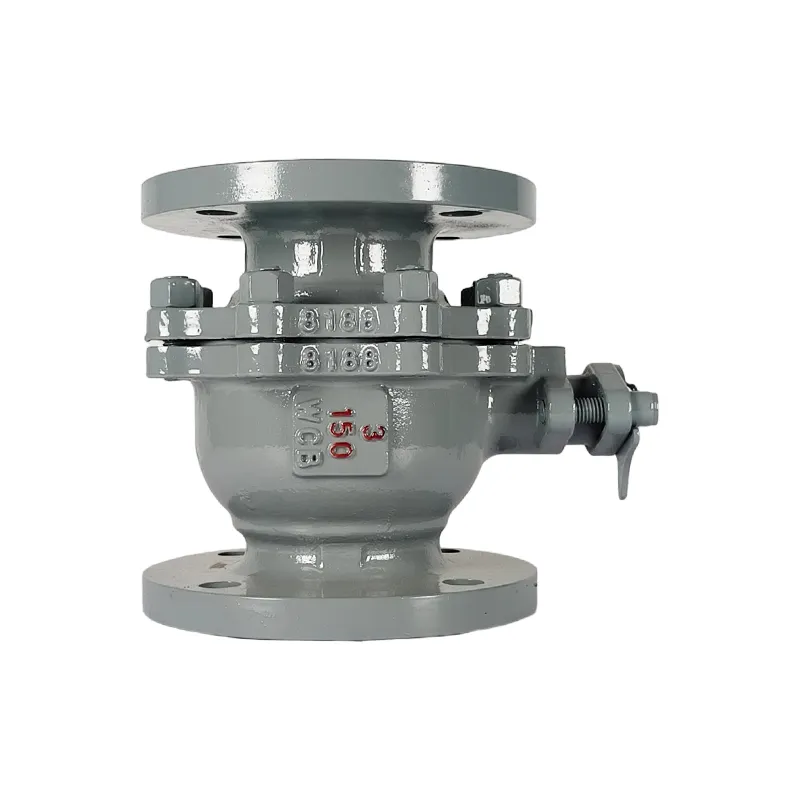
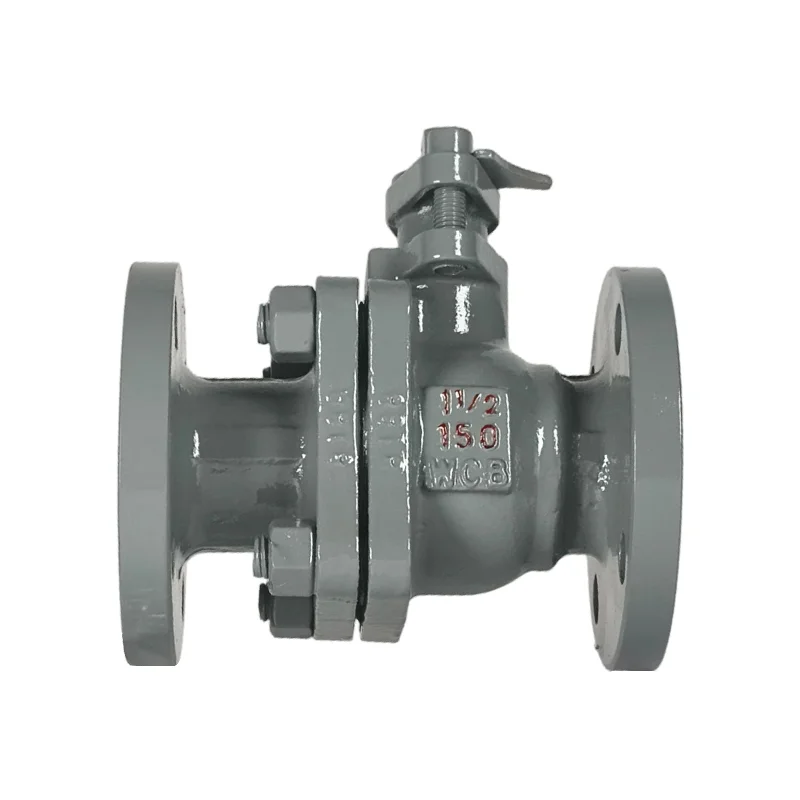
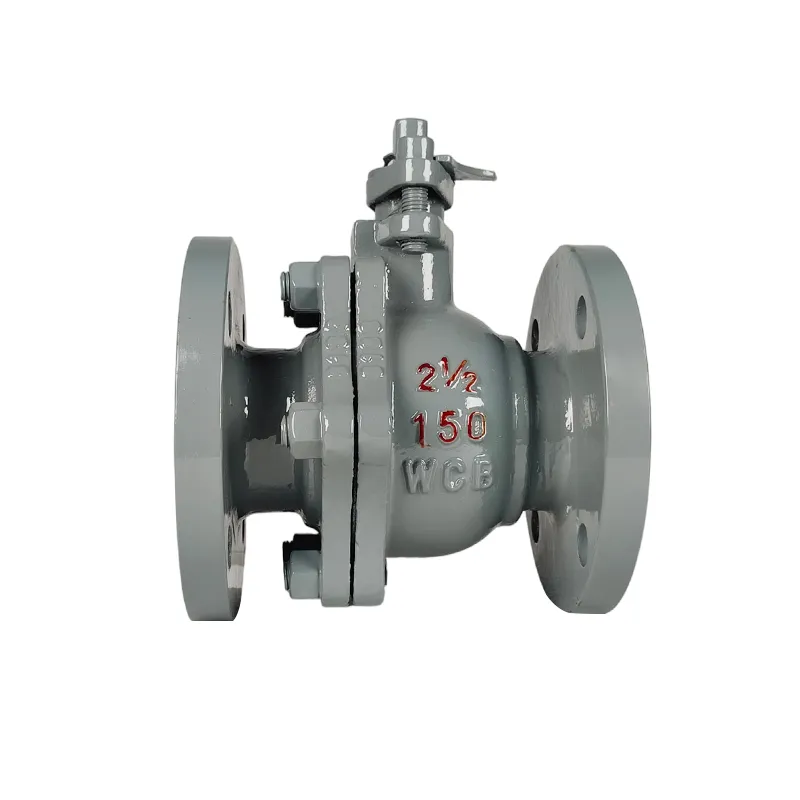
A cast steel flanged ball valve is an industrial flow-control device that uses a rotating spherical closure element to start or stop the movement of fluid through a pipeline. Its cast steel body provides structural strength, while flanged end connections allow the valve to be bolted securely between compatible pipeline sections.
Xiangzheng manufactures industrial valves designed for a range of pipeline requirements. Its cast steel flanged ball valve features a WCB carbon steel body, stainless steel ball and stem, and a PTFE sealing structure for applicable configurations. These design elements support dependable shut-off and practical operation in suitable industrial services.
Unlike valves intended primarily for throttling, a conventional ball valve is generally selected for fully open or fully closed operation. Its quarter-turn mechanism allows operators to change the flow state quickly, making it useful in process lines where reliable isolation is essential.
When evaluating this type of valve, buyers should consider the operating medium, temperature, working pressure, connection dimensions, sealing materials, and applicable design standards rather than selecting solely by nominal diameter or purchase price.
How Does a Cast Steel Flanged Ball Valve Work?
The operating principle is straightforward. A spherical ball contains a passage that aligns with the pipeline when the valve is open. Rotating the ball approximately 90 degrees moves the passage away from the flow path, closing the valve.
The main operating sequence includes three steps:
- Open position: The ball passage aligns with the pipeline, allowing fluid to flow through the valve.
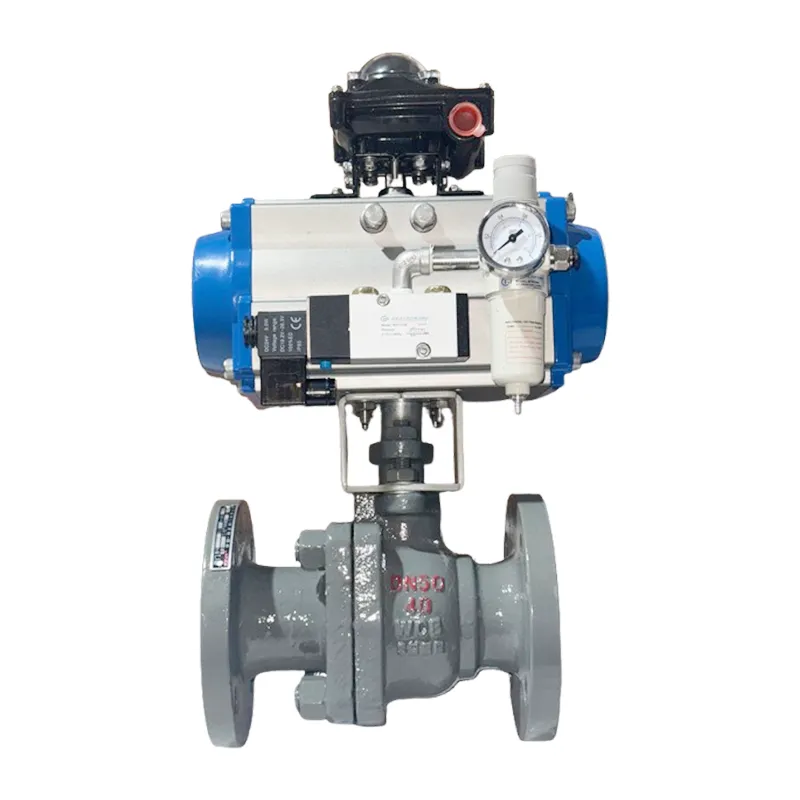
- Rotation: A handle, gearbox, electric actuator, or pneumatic actuator turns the stem and ball.
- Closed position: The solid portion of the ball faces the flow path, and the seats provide the sealing interface that limits leakage.
In a floating-ball design, upstream fluid pressure can press the ball against the downstream seat, helping create a tight seal. Actual sealing performance depends on the seat design, differential pressure, temperature, media compatibility, and condition of the valve.
This operating principle makes ball valves particularly suitable for applications requiring rapid isolation. For automated installations, actuator selection should account for the valve's operating torque, process conditions, control requirements, and available power supply.
What Are the Key Design Features?
1. Cast Steel Body for Structural Strength
The valve body forms the main pressure-containing structure. WCB carbon steel is a common choice for industrial service because it provides useful mechanical strength and is suitable for many water, oil, gas, and general process applications within its approved operating envelope.
Material suitability must still be verified against the actual fluid, temperature, pressure, and relevant corrosion requirements. More aggressive media may require alternative alloys or additional corrosion-control measures.
2. Flanged Ends for Secure Connections
Flanged connections provide a bolted interface between the valve and the pipeline. When flange dimensions, pressure classes, facing types, gaskets, and bolting are compatible, this arrangement supports stable installation and simplifies removal for inspection or replacement.
Correct alignment and an appropriate tightening sequence are important because excessive or uneven bolt loading can damage sealing surfaces or contribute to joint leakage.
3. PTFE Seats for Tight Shut-Off
PTFE seats are commonly used in soft-seated ball valves because of their sealing properties and broad chemical compatibility. Xiangzheng's product description identifies a PTFE self-tightening sealing structure designed to support bidirectional shut-off.
PTFE is not suitable for every temperature, chemical, or abrasive service. Engineers should verify the specific seat grade and operating limits before approving a valve for a particular process.
4. Anti-Blowout Stem Design
An anti-blowout stem structure is intended to reduce the risk of stem ejection under pressure. This is an important safety consideration in industrial piping systems, especially where operators must isolate potentially hazardous fluids.
Stem retention does not eliminate every leakage risk. Appropriate packing, installation, inspection, and pressure-boundary verification remain essential.
5. Quarter-Turn Operation
The 90-degree operating mechanism allows rapid switching between open and closed positions. Depending on the selected configuration, the valve may use manual operation or an actuator for remote control and integration into an automated process.
Technical Specifications and Selection Factors
Technical compatibility should be confirmed before ordering. The following table summarizes key considerations for specifying a cast steel flanged ball valve based on the product information published by Xiangzheng and common industrial procurement practices.
| Parameter | Published Product Information or Typical Consideration | Why It Matters |
|---|---|---|
| Body material | WCB carbon steel | Provides structural strength for compatible industrial services. |
| Ball and stem | Stainless steel | Material grade affects corrosion resistance, wear, and service life. |
| Sealing structure | PTFE soft seat; confirm the selected model | Influences shut-off performance, chemical compatibility, and temperature limits. |
| Nominal size | NPS 1/2 inch to 12 inches on the referenced product page | Must match pipeline flow requirements and connection dimensions. |
| Pressure class | Class 150, Class 300, and Class 600 configurations are described | Must be checked against the applicable pressure-temperature rating. |
| End connection | Flanged | Requires compatible flange standards, facing, gasket, and bolt arrangement. |
| Operation | Quarter-turn; actuation options should be confirmed | Determines operating method, torque requirements, and automation compatibility. |
| Application media | Water, gas, petroleum, and general chemical media when compatible | Material and seal selection must suit the actual process fluid. |
Important specification note: The values above describe the product range rather than a guarantee that every size, material, pressure class, and sealing configuration is available in every combination. Confirm the exact model, dimensional drawing, applicable standard, and pressure-temperature limits with the manufacturer.
For additional product information, review Xiangzheng's cast steel flanged ball valve specifications and dimensions before finalizing a procurement request.
Where Are Cast Steel Flanged Ball Valves Used?
Cast steel flanged ball valves are used across industrial sectors where pipeline isolation, mechanical strength, and maintainable connections are important. Their suitability depends on the selected valve design and the service conditions.
- Oil and gas: Isolation of compatible hydrocarbon process lines, transfer pipelines, and supporting utility systems.
- Chemical processing: Flow isolation for compatible process liquids and gases after reviewing chemical resistance.
- Water treatment: Control of water distribution lines, treatment equipment connections, and utility piping.
- HVAC systems: Isolation of suitable heating, cooling, and building-service fluid circuits.
- Industrial utilities: Shut-off service in plant water, oil, and other compatible fluid systems.
- Petrochemical facilities: Pipeline isolation where pressure ratings, material specifications, and sealing requirements are properly matched.
For high-temperature steam, abrasive slurries, corrosive chemicals, or hazardous gas service, do not assume that a standard PTFE-seated WCB valve is suitable. Such applications may require a specialized seat, metal-seated construction, different body materials, or a different valve type.
How to Choose the Right Cast Steel Flanged Ball Valve
Choosing the right valve requires more than matching the nominal pipe diameter. A systematic review of the operating environment helps reduce compatibility problems and unnecessary maintenance costs.
Check These Six Factors Before Ordering
- Process medium: Identify the fluid, chemical composition, concentration, viscosity, and any suspended solids.
- Pressure and temperature: Establish normal, maximum, minimum, and transient operating conditions. Verify the pressure-temperature rating for the exact materials.
- Valve size: Match the nominal diameter to the pipeline and required flow capacity. Consider pressure drop and whether full-bore construction is necessary.
- Connection standard: Confirm flange dimensions, facing, drilling, and applicable standards to ensure installation compatibility.
- Sealing materials: Check seat, packing, gasket, and other wetted-material compatibility with the medium and temperature.
- Operating method: Decide whether manual control is sufficient or whether an electric or pneumatic actuator is required.
Procurement teams should also request drawings, material documentation, inspection records, and the required testing standard. These documents help align the supplied valve with the engineering specification and project acceptance criteria.
Installation and Maintenance Recommendations
Correct installation helps preserve sealing performance and reduces avoidable mechanical stress. Although the precise procedure depends on the valve design and applicable standards, several practices are broadly useful.
Installation Checklist
- Inspect the valve body, flange faces, and internal components for transport damage or contamination.
- Verify the flow direction requirements, pressure class, size, and flange compatibility against the approved drawings.
- Clean the mating flange surfaces and use a gasket suitable for the service conditions.
- Align the pipeline before tightening bolts; do not use the valve to force misaligned pipework into position.
- Tighten flange bolts using an appropriate sequence and specified procedure.
- Operate the valve through its intended travel and perform the required commissioning tests.
Routine Maintenance
Maintenance intervals should be based on service severity, operating frequency, manufacturer recommendations, and the consequences of failure.
- Inspect external joints and stem packing for signs of leakage.
- Check operating torque and investigate unusual resistance or inconsistent movement.
- Review valve seat leakage against the applicable acceptance criteria.
- Inspect actuators, position indicators, and control connections where fitted.
- Isolate and depressurize the line before maintenance, following site safety procedures.
Ball valves intended for isolation should generally not be left partially open for extended throttling duty unless the manufacturer explicitly approves that use. Continuous throttling can accelerate seat wear or cause damage under certain flow conditions.
Why Manufacturing Quality Matters
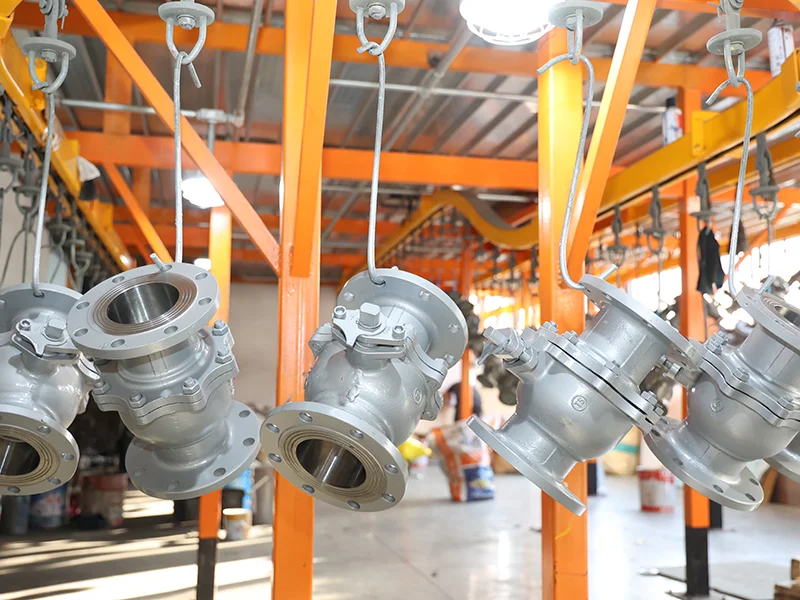
A valve's reliability depends on the quality of its pressure-containing body, machined components, sealing interfaces, assembly, and final inspection. A strong product specification is only useful when the manufactured valve consistently meets its requirements.
When evaluating a cast steel flanged ball valve manufacturer, buyers should review the following areas:
- Material verification: Confirm the body, ball, stem, seat, and packing materials against the purchase specification.
- Dimensional inspection: Check face-to-face dimensions, flange drilling, sealing surfaces, and critical tolerances.
- Pressure testing: Request applicable shell and seat test records under the specified inspection standard.
- Traceability: Verify that markings and documentation identify the relevant valve model and material information.
- Operational checks: Confirm smooth movement, correct assembly, and required functional performance.
- Documentation: Obtain drawings, certificates, and inspection reports required by the project or end user.
Xiangzheng Valve Co., Ltd. identifies itself as a valve manufacturer integrating research and development, production, sales, and service. Its product information describes manufacturing and quality inspection processes for industrial valves. Buyers should confirm the precise inspection scope, standards, and documentation available for their selected order.
To compare suitable configurations, you can also explore Xiangzheng's industrial valve product range and review related options such as cast steel flanged ball valves.
Frequently Asked Questions
1. What is a cast steel flanged ball valve mainly used for?
It is mainly used to isolate or restore fluid flow in industrial pipelines. Typical applications include compatible water, oil, gas, chemical, and utility systems where the valve's materials and ratings meet the operating requirements.
2. What is the difference between a cast steel ball valve and a cast iron ball valve?
Cast steel and cast iron have different mechanical properties and material characteristics. Cast steel is often selected for applications requiring particular strength and toughness, while the correct choice depends on pressure, temperature, corrosion conditions, design standards, and the manufacturer's rating.
3. Does a flanged ball valve provide tight shut-off?
A properly selected and maintained ball valve can provide tight shut-off. Actual leakage performance depends on the seat design, pressure differential, media, temperature, manufacturing quality, and the specified test criteria. No universal leakage guarantee should be assumed without supporting documentation.
4. Which pressure classes are available for Xiangzheng's cast steel flanged ball valve?
The referenced product page describes Class 150, Class 300, and Class 600 configurations. Confirm the required size, exact model, material combination, and applicable pressure-temperature rating with Xiangzheng before placing an order.
5. Can a cast steel flanged ball valve be automated?
Depending on the model, ball valves can be supplied or configured with compatible electric or pneumatic actuators. The actuator must provide sufficient torque for the valve under the actual operating conditions and meet the project's control and safety requirements.
6. How do I select the correct valve size?
Start with the pipeline's nominal diameter, then assess flow rate, allowable pressure drop, operating pressure, and connection dimensions. A qualified engineer should confirm the final size and flow characteristics for the intended duty.
7. What information should I provide when requesting a quotation?
Provide the required quantity, nominal size, pressure class, body and trim materials, process medium, operating pressure and temperature, flange standard, operation method, and any required certificates or testing standards. This information helps the manufacturer recommend a suitable configuration and prepare an accurate quotation.
Conclusion: Selecting a Reliable Valve for Long-Term Performance
A cast steel flanged ball valve can be an effective choice for industrial pipeline isolation when its body material, pressure rating, sealing system, flange dimensions, and operating method are matched to the application. Careful specification, correct installation, and documented quality inspection all contribute to safer operation and more predictable maintenance.
Xiangzheng provides industrial valve solutions for different pipeline requirements. If you are sourcing a cast steel flanged ball valve for a new project or replacement application, review the product details and contact us with your technical requirements to discuss suitable specifications, available configurations, and a quotation for your project.
Related News
- How Can a Flanged Floating Ball Valve Improve Pipeline Safety, Sealing Performance, and Flow Control
- 2026 Global Valve Industry: Smart Technology and Green Innovation Reshape Industrial Fluid Control Landscape
- Global Valve Market Trends: Smart Control & High‑reliability Products Gain Growing Demand
- Key Considerations for Valve Selection in Water & Wastewater Infrastructure Projects
- Modern Industrial Valve Solutions Drive Safety & Efficiency for Global Process Industries
Leave me a message
News Recommendations